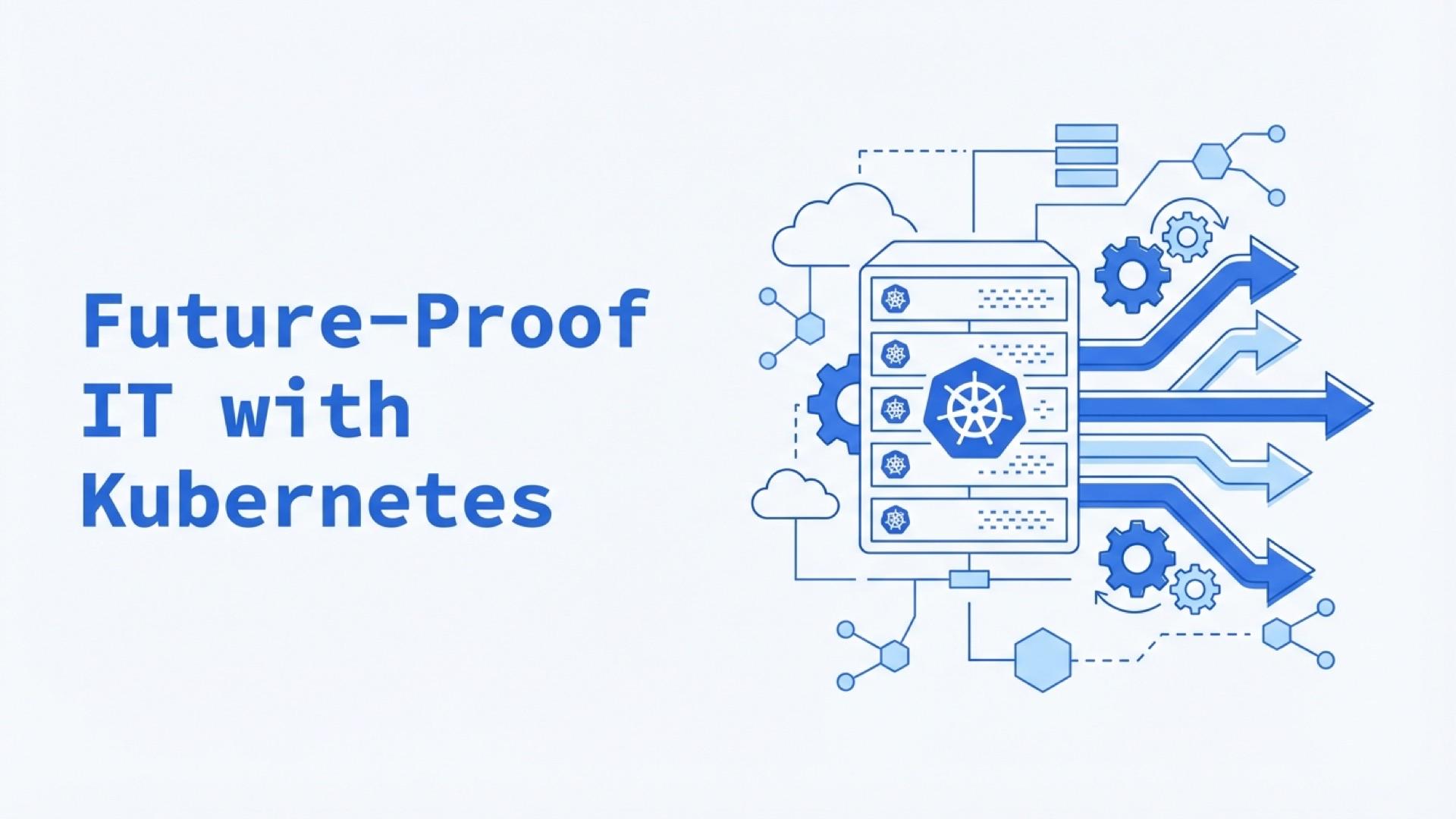
Future-Proofing Your IT Infrastructure with Fractional Kubernetes Services
 Eugene Levitin··Updated
IT is rapidly evolving, so staying ahead of the curve is not just a competitive advantage — it's a necessity. For business and operations strategists, ensuring that your IT infrastructure is resilient, scalable, and future-proof is very important.
One of the most effective ways to achieve this is through fractional Kubernetes services. This approach offers a blend of expertise, flexibility, and cost-efficiency, enabling businesses to navigate the complexities of modern IT demands seamlessly.
What Are Fractional Kubernetes Services?
Fractional Kubernetes services provide a scalable solution for businesses seeking expert Kubernetes management without the overhead of full-time staffing. These services allow companies to access a team of seasoned Kubernetes professionals on a part-time or as-needed basis.
This model is particularly beneficial for organizations that require high-level expertise but do not have the continuous workload to justify a full-time role. By utilizing fractional services, businesses can enhance their IT infrastructure's scalability, flexibility, and reliability, while also controlling costs.
Providers of fractional Kubernetes services offer a range of support, including system deployment, ongoing management, incident response, and optimization based on the latest best practices. This approach ensures that businesses can maintain a cutting-edge IT environment, adapt quickly to changing needs, and focus their internal resources on core business activities, all without compromising on the quality of IT operations.
The Benefits of Fractional Kubernetes Services
Navigating the complexities of modern IT infrastructure demands both agility and precision. Fractional Kubernetes services offer a strategic solution that aligns with the dynamic needs of businesses today. These services bring multiple benefits, enhancing operational efficiency and allowing companies to focus on growth and innovation.
- Scalability and flexibility. Kubernetes excels in scaling applications efficiently. Fractional services allow businesses to adjust their IT resources as needed, ensuring cost-effectiveness for fluctuating workloads or seasonal spikes. This adaptability is crucial for maintaining competitive edge and operational resilience.
- Cost efficiency. The financial burden of employing full-time Kubernetes experts can be prohibitive, particularly for mid-sized companies. Fractional services mitigate these costs by providing access to specialized skills without the need for full-time salaries and benefits. This model enables better budget allocation, focusing on strategic investments rather than operational expenses.
- Access to expertise. Managing Kubernetes requires expertise in container orchestration and deployment strategies. Fractional services provide seasoned professionals who ensure your environment is optimized and performs reliably, helping to avoid common pitfalls and enhance system performance.
- Improved reliability and uptime. High availability and minimal downtime are essential for fulfilling SLAs and ensuring customer satisfaction. Fractional Kubernetes services include proactive monitoring and maintenance, improving the reliability of your IT infrastructure and preventing potential issues from escalating.
- Focus on core business activities: Outsourcing the management of Kubernetes frees your internal IT team to concentrate on core business functions and strategic initiatives. This shift not only fosters innovation but also boosts productivity by removing the burden of managing complex IT operations.
Fractional Kubernetes services offer a robust framework for businesses looking to enhance their IT capabilities without the associated overhead. By embracing this model, companies can achieve greater scalability, cost efficiency, and operational excellence, positioning themselves for success in a digitally-driven marketplace.
How to Implement Fractional Kubernetes Services
Transitioning to fractional Kubernetes services is a strategic move that can significantly enhance the agility and efficiency of your IT operations. To ensure a smooth and effective implementation, follow these essential steps:
- Assessment and planning. Begin with a comprehensive assessment of your current IT infrastructure. Identify areas where Kubernetes can deliver the most value and align with your business objectives. Develop a detailed plan that outlines your specific goals, budget considerations, and timelines. This initial step is crucial for setting a clear roadmap and ensuring that the services you implement are perfectly tailored to your needs.
- Vendor selection. Choosing the right provider is critical. Look for a vendor with a robust track record in delivering fractional Kubernetes services. Evaluate potential partners based on their expertise, support offerings, and ability to provide comprehensive services including deployment, monitoring, and incident response. The right partner should not only understand the technical aspects of Kubernetes but also how it fits into your broader business strategy.
- Implementation. Collaborate closely with your selected provider to integrate Kubernetes into your environment. This phase should involve careful planning and execution to ensure that best practices are followed and that your system is set up for long-term success. Proper documentation during this phase is vital for maintaining clarity and ensuring smooth operations.
- Ongoing management. Once Kubernetes is implemented, the focus shifts to ongoing management. Regularly review the performance and health of your Kubernetes environment. Work continuously with your provider to make necessary adjustments and optimizations. This ongoing collaboration is key to maintaining an efficient, robust, and responsive IT infrastructure.
Implementing fractional Kubernetes services is not just about upgrading technology — it's about enhancing your organization's operational flexibility and preparing for future growth. By following these steps, you can ensure that your transition to fractional Kubernetes services is successful and beneficial.
Planning for the Future While Improving ROI
Embracing fractional Kubernetes services offers a transformative opportunity for businesses looking to enhance their IT capabilities without the full-time expense of specialized staff. By leveraging the expertise and flexibility provided by fractional services, companies can ensure their IT infrastructure is not only robust and scalable but also aligned with their strategic goals.
This model not only optimizes cost efficiency but also allows internal teams to focus on core business initiatives, driving innovation and growth. As you consider the future of your IT operations, consider fractional Kubernetes services as a key component of your strategy to stay competitive in a dynamic market. By partnering with the right service provider, your organization can navigate the complexities of modern IT demands with confidence and agility, positioning itself for long-term success. If you'd like to partner with Ivinco, please contact us for a consultation.
Need help with your Kubernetes infrastructure? Talk to our team — we've managed 1,350+ production servers and the first conversation is free.
Frequently Asked Questions
What are fractional Kubernetes services and how do they work?
Fractional Kubernetes services provide on-demand access to senior Kubernetes engineers without full-time hiring costs. Your organization gets a dedicated team that handles cluster operations, incident response, and optimization on a part-time basis. Engagement hours scale up during migrations or incidents and down during stable periods.
How much do fractional Kubernetes services cost compared to hiring full-time SREs?
A full-time senior Kubernetes engineer costs a full salary plus benefits. Fractional services give organizations that don't need 40 hours per week of dedicated Kubernetes work access to the same skills without that full-time cost. Once several clusters need daily hands-on attention, hiring in-house becomes more cost-effective.
When should a company choose fractional Kubernetes support over building an internal team?
Choose fractional when you run fewer than 5 clusters, your team has basic container knowledge but lacks deep Kubernetes expertise, and you want to avoid a long hiring cycle. Build internal when Kubernetes is core to your product and you have 5+ clusters needing daily attention. Start fractional and move to an internal team as your Kubernetes footprint grows.
What does fractional Kubernetes incident response include?
Fractional incident response covers cluster monitoring, alerting, and on-call coverage. When an alert fires — node failures, pod crashes, certificate expirations, or resource exhaustion — our engineers investigate and resolve it. We work on-call by agreement, with up to 24-hour coverage under an SLA, and we run post-incident reviews.
Related Reading

CEO, Ivinco
CEO of Ivinco, a senior engineering team in production since 2009. Currently exploring how AI agents are reshaping e-commerce infrastructure.
Related posts
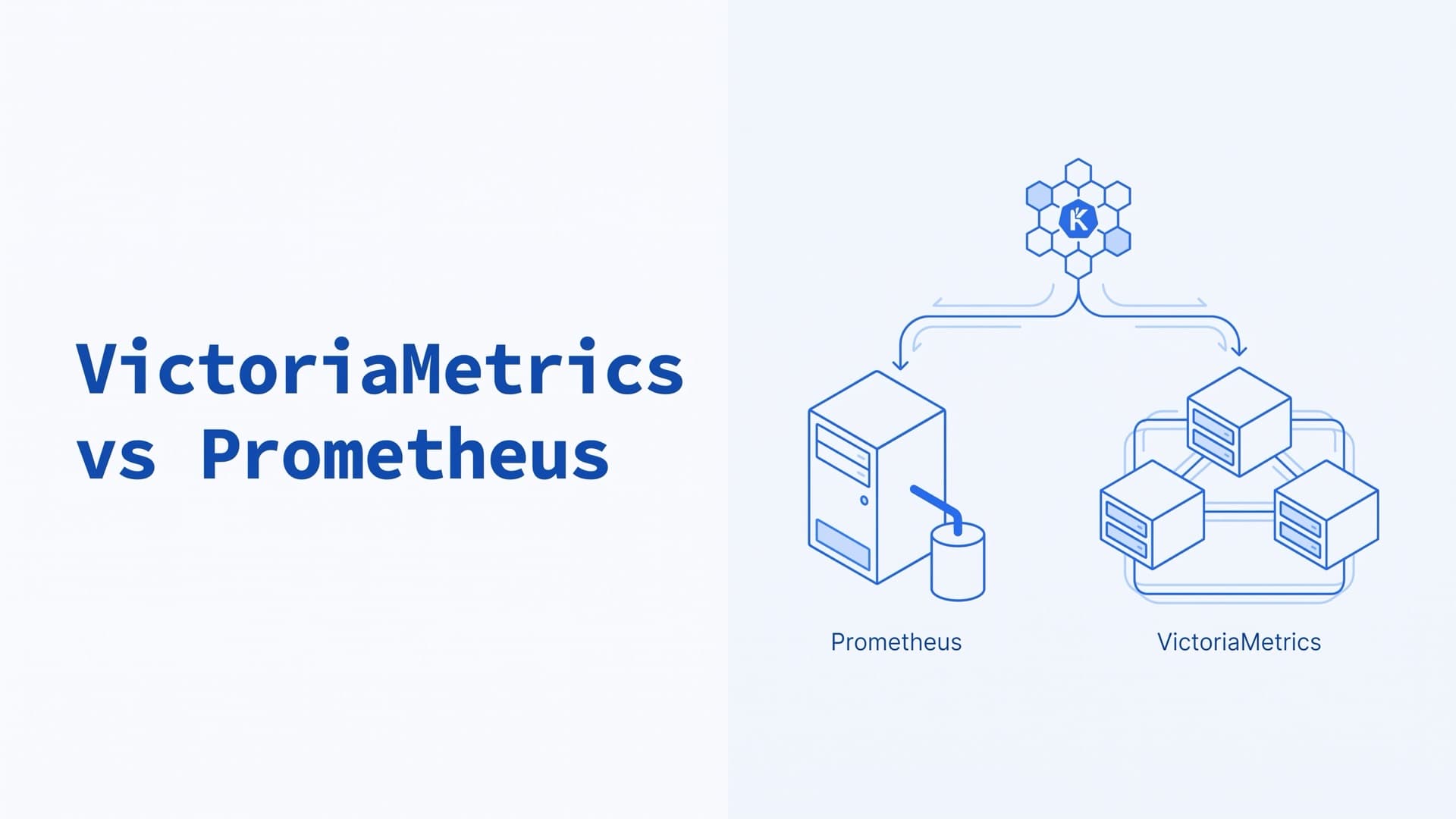
VictoriaMetrics vs Prometheus: Differences & When to Switch
VictoriaMetrics doesn't have to replace Prometheus. Compare storage, HA, MetricsQL, Enterprise features, Thanos, Mimir and migration, as of October 2026.
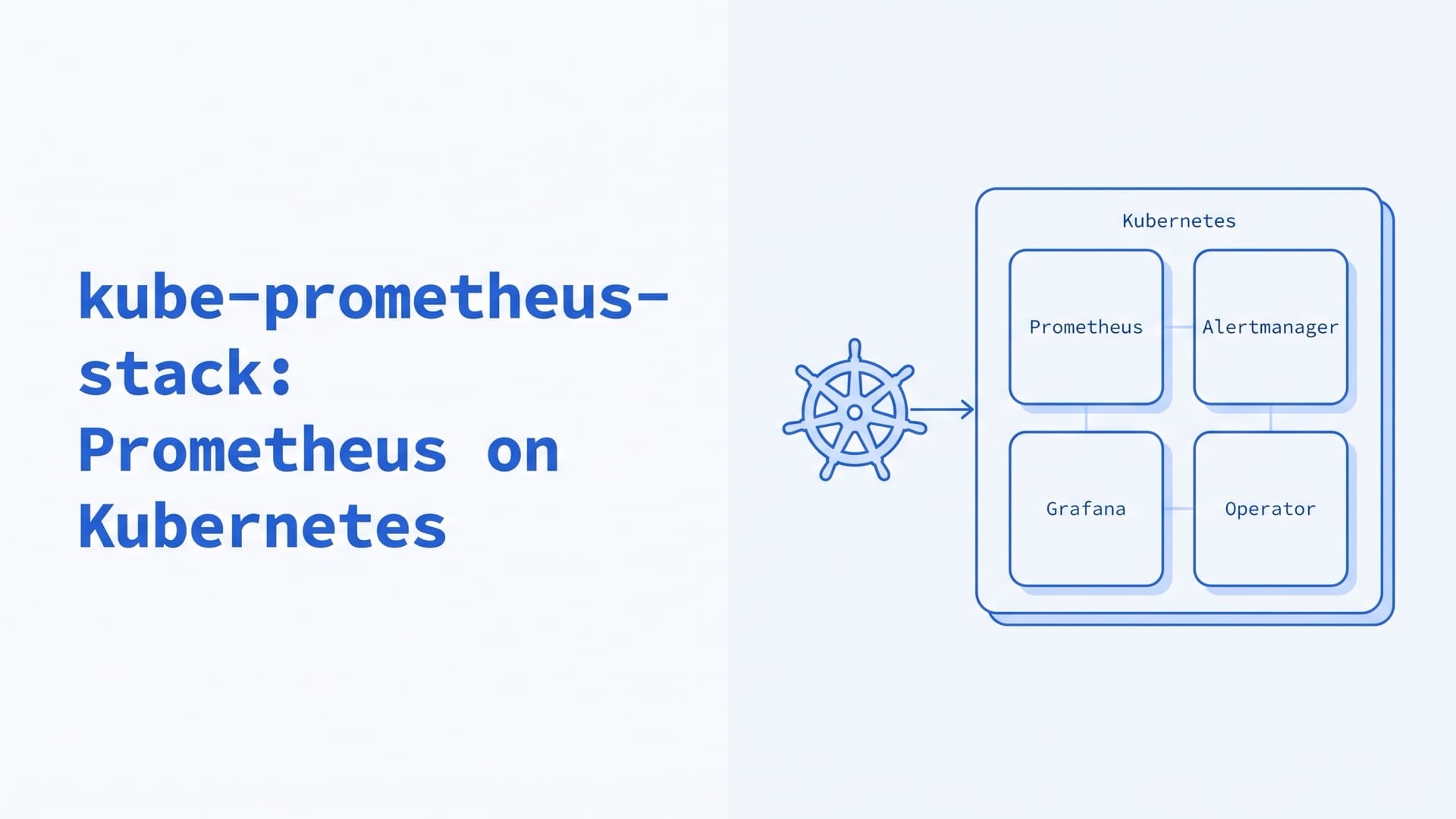
kube-prometheus-stack: Prometheus on Kubernetes
How to run kube-prometheus-stack and the Prometheus Operator in production: Helm values, ServiceMonitors, alerts, CRD upgrades, storage and remote_write.
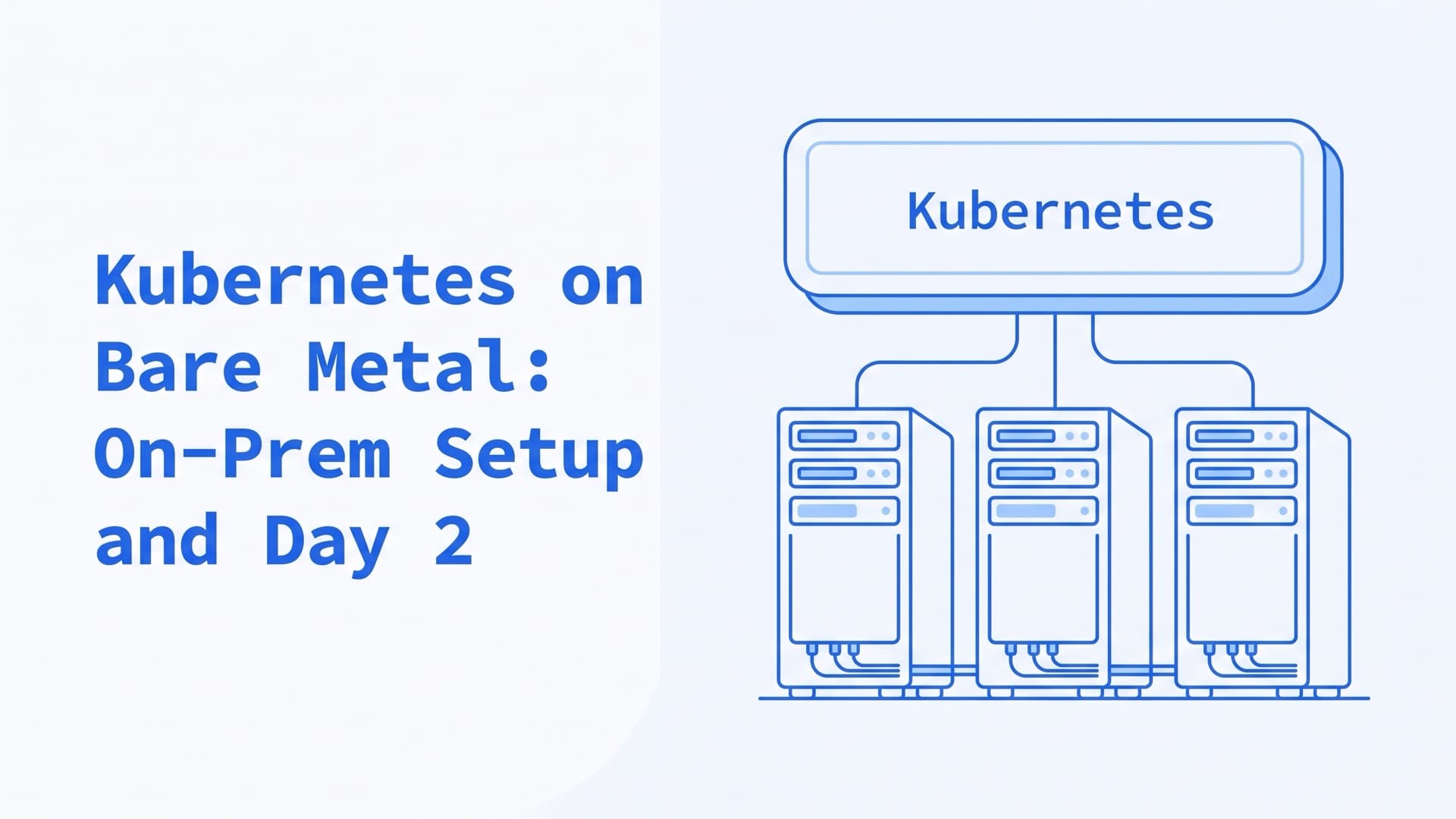
Kubernetes on Bare Metal: On-Prem Setup and Day 2
How to run Kubernetes on bare metal and on-premise in 2026: provisioning, distributions, HA, load balancing, storage, upgrades, costs and our on-prem work.