How To Deploy PMM Using AWS
 Pavel Rykov··Updated
Here is a small HowTo about installing the Percona Monitoring and Management (PMM) server using the AWS Marketplace.
Requirements:
-
AWS account
-
Web-browser with enabled JavaScript
-
Cup of coffee
For the first you need to open the AWS Marketplace page and search for “Percona Monitoring and Management Server” or just click to this direct link.

Here you click to Continue to Subscribe and you’ll be redirected to the Subscribe to this software page. On this page you may look at details about your subscription, additional taxes and etcetera.
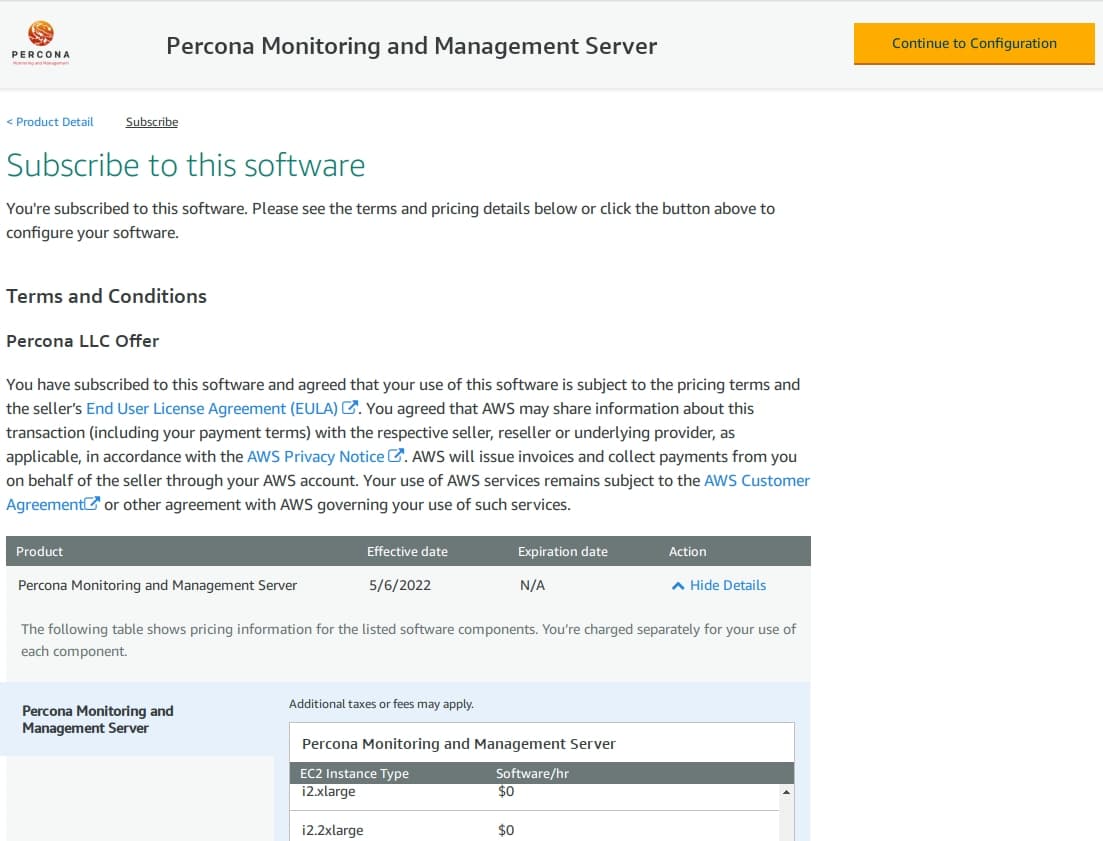
Let’s click Continue to Configuration.
On the next page, called Configure this software you need to choose the version of PMM and region, then click Continue to Launch button.
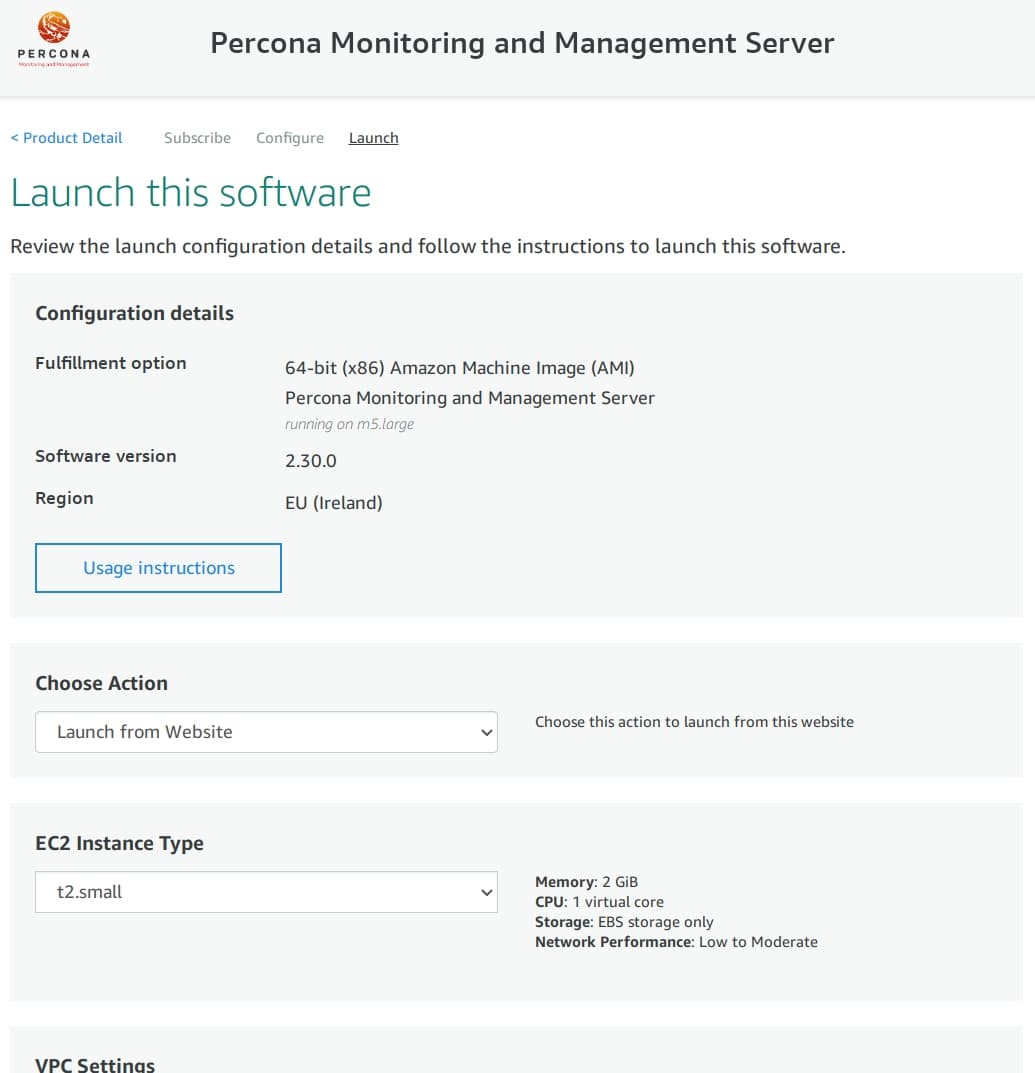
On the Launch this software page you need to choose:
-
Choose action: Launch from website
-
EC2 Instance Type: Any type of instance that suits your needs, t2.medium will be used in this example
Scroll down to the VPC Settings block, here you can set:
-
Virtual Private Cloud (VPC) – If not exists, then need to create a new one
-
Subnet – For communication between instances in VPC
-
Security group – In settings of selected security group an Inbound and Outbound rules should have permissions for connection through SSH, HTTP and HTTPS protocols form any IP-addresses
-
Key pair – Need to create a new one if not exists
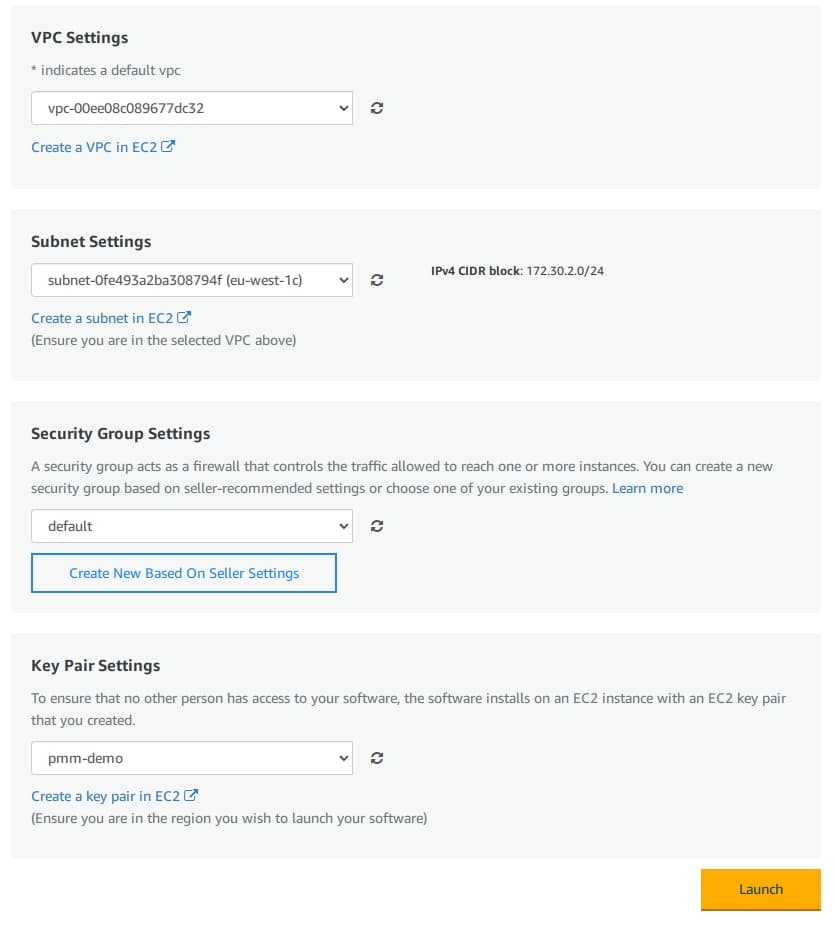
Click the Launch button when you are ready.
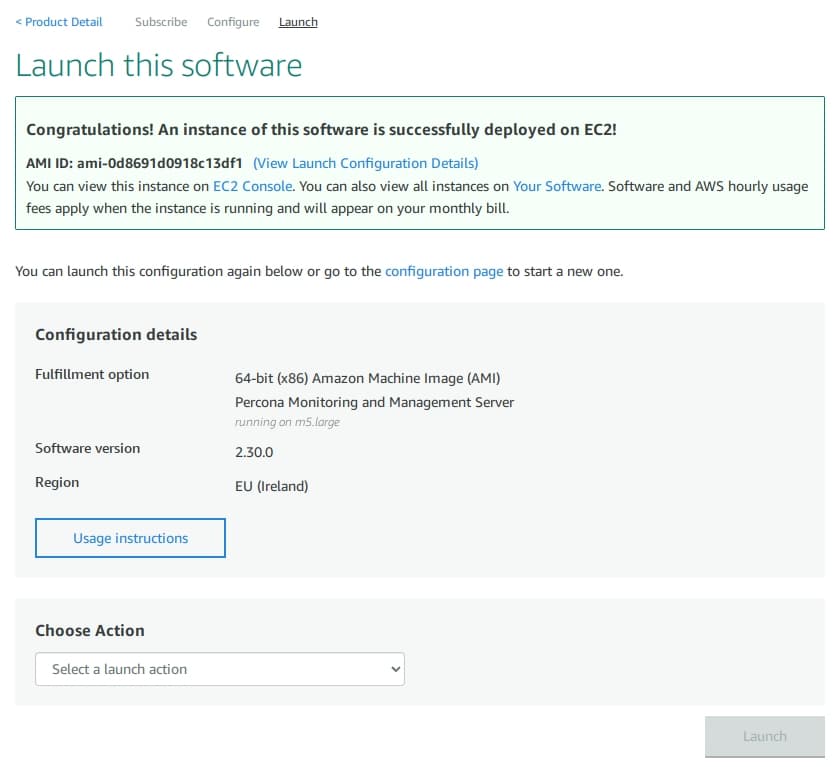
If everything is okay you’ll see a page like above, to check the initialization status go to the page EC2 Console.
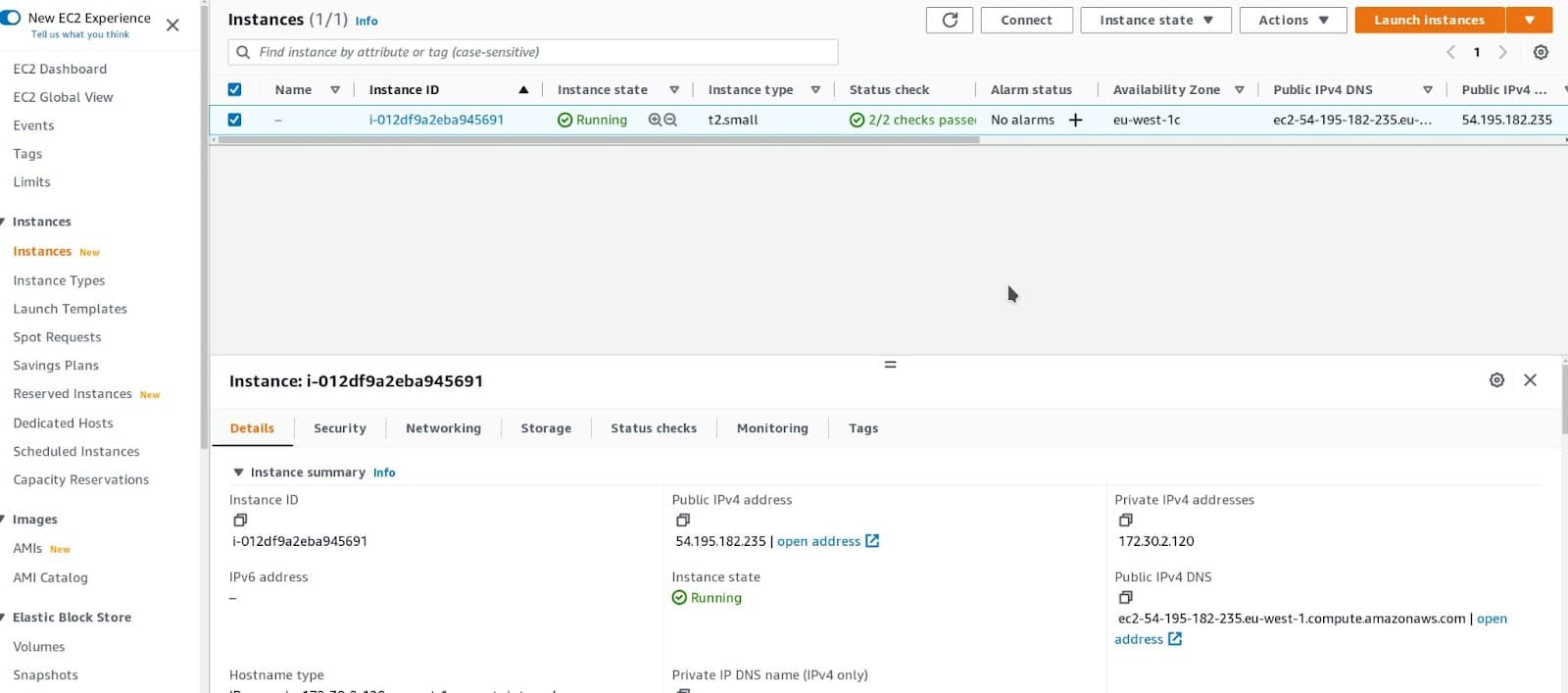
From the Instances page you may copy an IP-address of the instance and connect to it via web-browser, ignore Self-Signed Certificate warning.
Here for login you need to input the ID of the instance from AWS Console, copy and paste it.
After that, the web-browser redirects you to the final setup page.

Here you need input username and password.
-
Default username: admin
-
Default password: admin
On the next step you may have to reset the default password or skip this step.
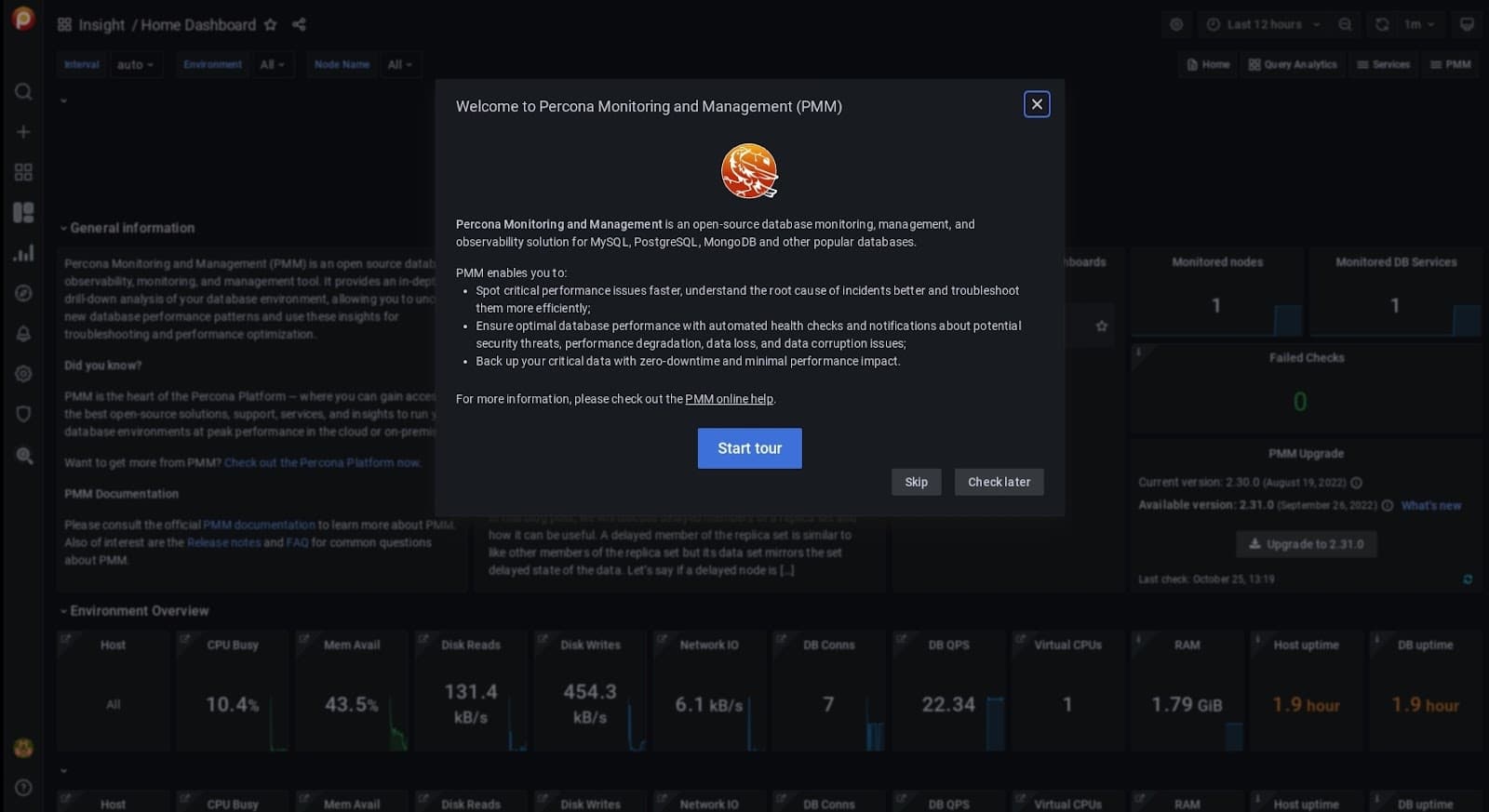
And we are finally in, congrats!
Need help with database monitoring and performance? Our DevOps consulting team sets up monitoring for MySQL, PostgreSQL and MongoDB. The first conversation is free.
Frequently Asked Questions
How do you deploy PMM Server on AWS?
Search for "Percona Monitoring and Management Server" in the AWS Marketplace, subscribe, choose your PMM version and region, select an EC2 instance type, configure VPC with security groups allowing SSH, HTTP, and HTTPS, then launch. The instance ID serves as your initial login password.
What EC2 instance type should you use for PMM Server?
Percona's sizing table for AWS recommends a t3.medium (2 vCPUs, 4 GB RAM, 20 GB storage) for 1-10 monitored hosts and a t3.large (2 vCPUs, 8 GB RAM, 50 GB storage) for 10-50 hosts. PMM stores metrics in VictoriaMetrics which benefits from SSD storage — use gp3 EBS volumes. Monitor PMM's own resource usage and scale up if the Grafana UI becomes slow or metrics lag.
What VPC security group rules does PMM Server need?
PMM Server requires inbound rules for SSH (port 22), HTTP (port 80), and HTTPS (port 443). For PMM agents to connect from database hosts, also allow inbound on port 443 from your database server IP ranges. Restrict SSH access to your office IP and allow HTTPS only from known CIDR blocks. Never leave all ports open to 0.0.0.0/0.
What are the default PMM Server credentials after AWS deployment?
The default username is admin and the default password is admin. PMM prompts you to reset the password on first login. If you skip this step, change it immediately — the default credentials are publicly documented. For production deployments, also enable SSL certificates and set up RBAC for multi-user access.
Related Reading
Related posts
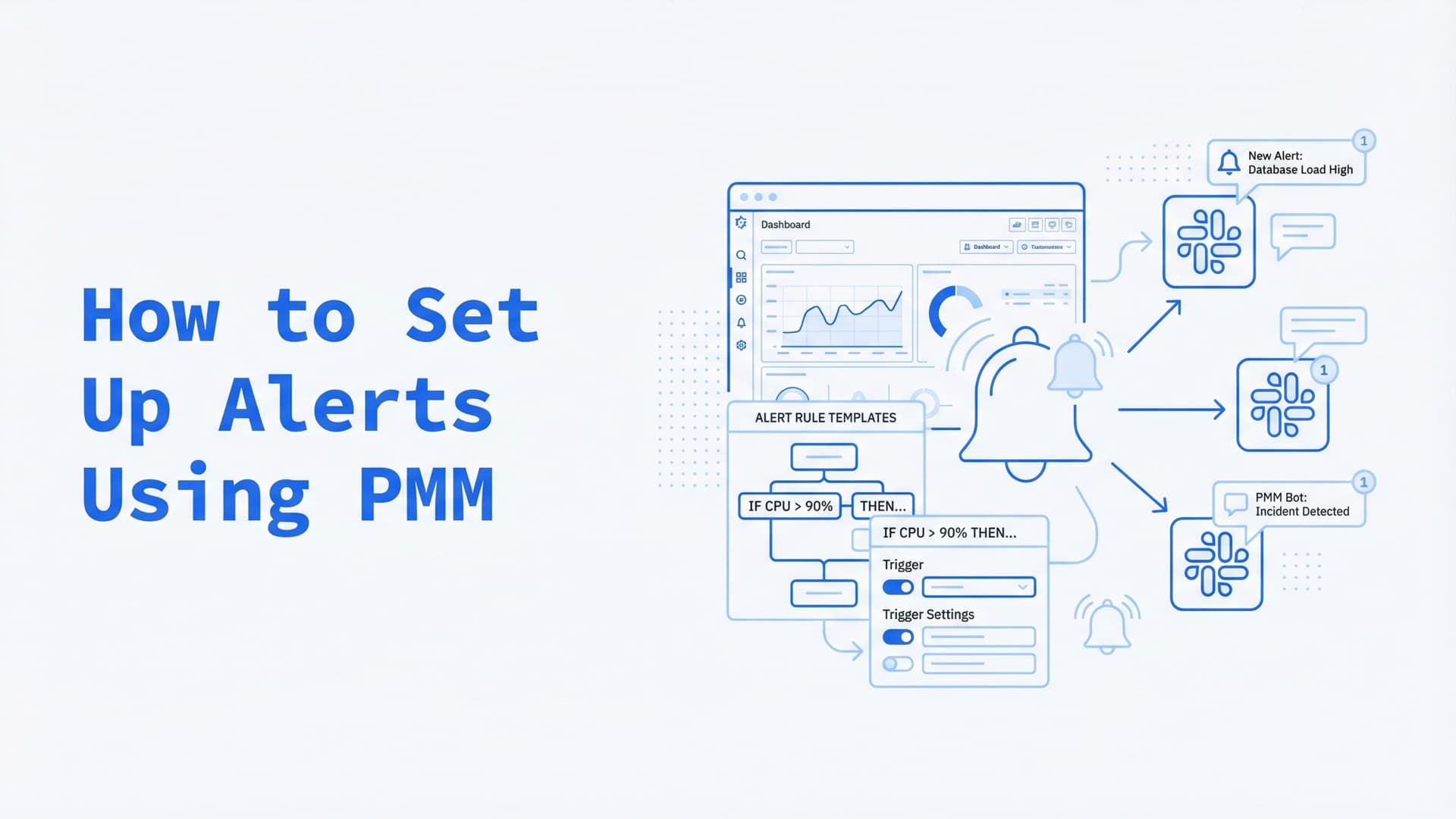
How To Set Up Alerts Using PMM
Percona Monitoring and Management allows you to set different alerts related to your infrastructure.
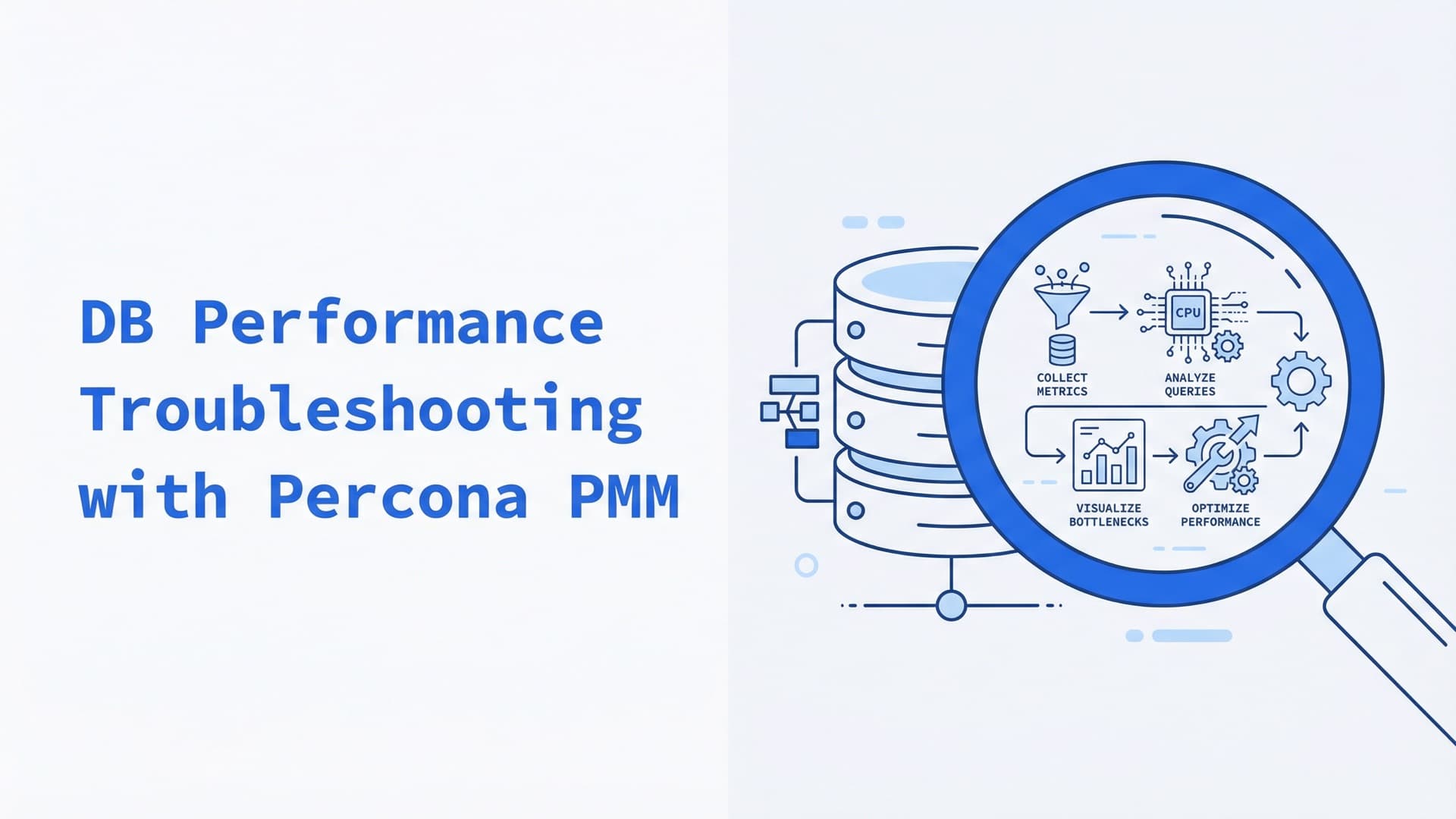
DB Performance Troubleshooting Workflow Using Percona PMM
Some time you may face with the situation when your DB became slow. You may notice it during developing your system.
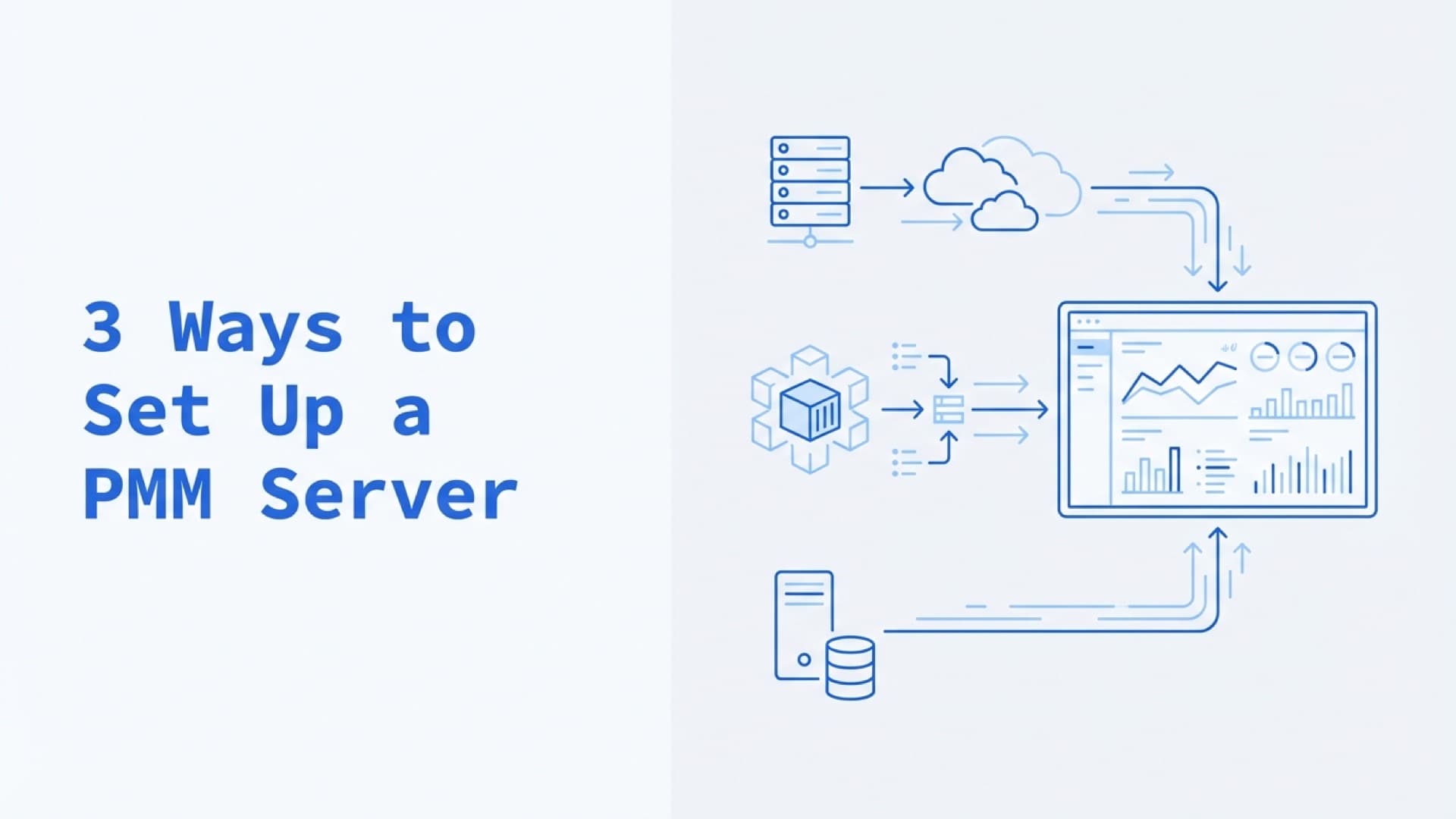
3 Ways To Set Up A PMM Server
This method involves self-configuring everything you need on a virtual machine in the Linode cloud, with all the complexities and peculiarities that come...