
Your Startup Needs to Scale: Is it Time for Kubernetes?
 Eugene Levitin··Updated
As your startup grows, the challenge of scaling operations efficiently grows with it. Kubernetes, an open-source platform for automating the deployment, scaling, and management of containerized applications, offers a powerful solution to these challenges.
However, the benefits of Kubernetes depend significantly on strategic implementation and optimal timing—implement too early, and you risk resource drain; too late, and you might miss critical growth opportunities.
This guide will explore whether Kubernetes is the right fit for your business and discuss how it can revolutionize your infrastructure. But first, let’s start with a brief overview of what Kubernetes actually is.
What is Kubernetes?
Kubernetes orchestrates computing, networking, and storage infrastructure on behalf of user workloads. It also provides a framework to cluster together groups of hosts running Linux containers. This ensures efficient operation and enables businesses to scale applications according to demand, manage updates seamlessly, and maintain stability.
By simplifying many aspects of software deployment and operations, Kubernetes allows organizations to accelerate development and foster innovation, crucial for scaling efficiently.
Why is Kubernetes Helpful for Scaling?
This platform offers a robust solution for startups that need to manage and scale large-scale, containerized applications:
-
Scalability and flexibility. It dynamically adjusts resources based on demand, essential for startups experiencing fluctuating workloads.
-
Efficiency and cost reduction. By optimizing server usage, Kubernetes reduces the need for manual oversight and can significantly cut infrastructure costs.
-
Enhanced productivity. By automating deployment and management tasks, Kubernetes speeds up development cycles and boosts team productivity, allowing your staff to focus more on innovation rather than maintenance.
As we can see, it’s a powerful tool to scale. But it can be a lot to handle. The following are indicators it is time to implement Kubernetes and it’s a good fit for your company.
How to Know If It's Time for Kubernetes
Deciding to adopt Kubernetes requires careful consideration. This strategic decision isn't just about adopting new technology—it's about transforming your operational model to be more efficient, scalable, and responsive.
-
Current and future needs. Assess whether your current infrastructure is struggling to keep up with demand. Kubernetes is particularly beneficial when you need to manage multiple applications or are expecting significant growth in your user base and data volume.
-
Technical expertise. Ensure your team possesses the necessary skills to manage a Kubernetes environment. If your current capabilities are insufficient, consider the need for training, hiring new staff, or engaging a consultancy like Ivinco to bridge the gap.
-
Infrastructure compatibility. Verify that your existing systems can integrate smoothly with Kubernetes, as transitioning involves significant changes in application deployment and management.
Implementing Kubernetes requires precise timing, a skilled team, and the right resources. If your company aligns with these requirements, it may be the ideal time to move forward. However, if you recognize the need for Kubernetes but lack internal capabilities, partnering with a consultancy can provide the expertise and support needed to effectively implement and manage this powerful tool.
Next Steps If It's the Right Time
If the characteristics above resonate with your startup's situation, here are actionable steps for implementing Kubernetes:
-
Start Small: Launch a pilot project to gauge Kubernetes' impact on your operations without overhauling your entire infrastructure. This approach allows you to test the benefits and adaptability of Kubernetes with minimal risk.
-
Continuous Learning and Adaptation: Regularly assess its effectiveness and adjust your strategy based on operational feedback and evolving business needs. This continuous improvement cycle ensures that your infrastructure remains aligned with your company's growth.
-
Seek Expert Guidance: Partner with a consultancy like Ivinco to facilitate a smooth transition. Our experts provide insights, support, and customized strategies to align with your business objectives.
Our team at Ivinco acts as an extension of your own, providing guidance and implementation assistance to ensure you harness the full benefits of Kubernetes. With experts across various time zones around the globe, we offer 24/7 support at an affordable cost. This ensures you have access to the resources and expertise needed, especially if your current internal capabilities are still developing.
How Ivinco Can Help
Adopting Kubernetes can significantly enhance your startup’s scalability and operational efficiency. At Ivinco, we guide you through every step of your Kubernetes journey—from initial assessment to full-scale implementation—ensuring that solutions are perfectly tailored to your business needs.
Ready to explore Kubernetes for your startup? Talk to our team about a pilot project.
Frequently Asked Questions
When is the right time for a startup to adopt Kubernetes?
Kubernetes makes sense when you're running multiple services that need independent scaling, your deployments are becoming manual bottlenecks, or you're spending more time managing infrastructure than building product. If you have fewer than 3-5 services and a small team, a simpler setup (Docker Compose, a PaaS) is usually sufficient. The overhead of Kubernetes pays off once operational complexity crosses that threshold.
How much does Kubernetes cost for a startup?
Your costs include worker node compute, storage, and load balancers. The hidden cost is engineering time for learning and setup, especially for a team new to Kubernetes. Using a managed service and starting with a pilot project minimizes both financial and time investment.
Can a small team manage Kubernetes without dedicated DevOps?
Yes, if you use a managed Kubernetes service (GKE, EKS, AKS) and keep your setup simple. Managed services handle control plane upgrades, etcd backups, and node health. Use Helm charts for standard deployments and avoid custom operators until you need them. For the gap between what your team knows and what's needed, a fractional Kubernetes consultancy can fill in without a full-time hire.
Should I use Kubernetes or serverless for scaling?
It depends on your workload pattern. Serverless (Lambda, Cloud Run) excels for event-driven, bursty workloads with variable traffic. Kubernetes is better for long-running services, workloads needing persistent connections (WebSockets, databases), or when you need control over networking and resource allocation. Many startups use both — serverless for async tasks and Kubernetes for core services.
Related Reading

CEO, Ivinco
CEO of Ivinco, a senior engineering team in production since 2009. Currently exploring how AI agents are reshaping e-commerce infrastructure.
Related posts
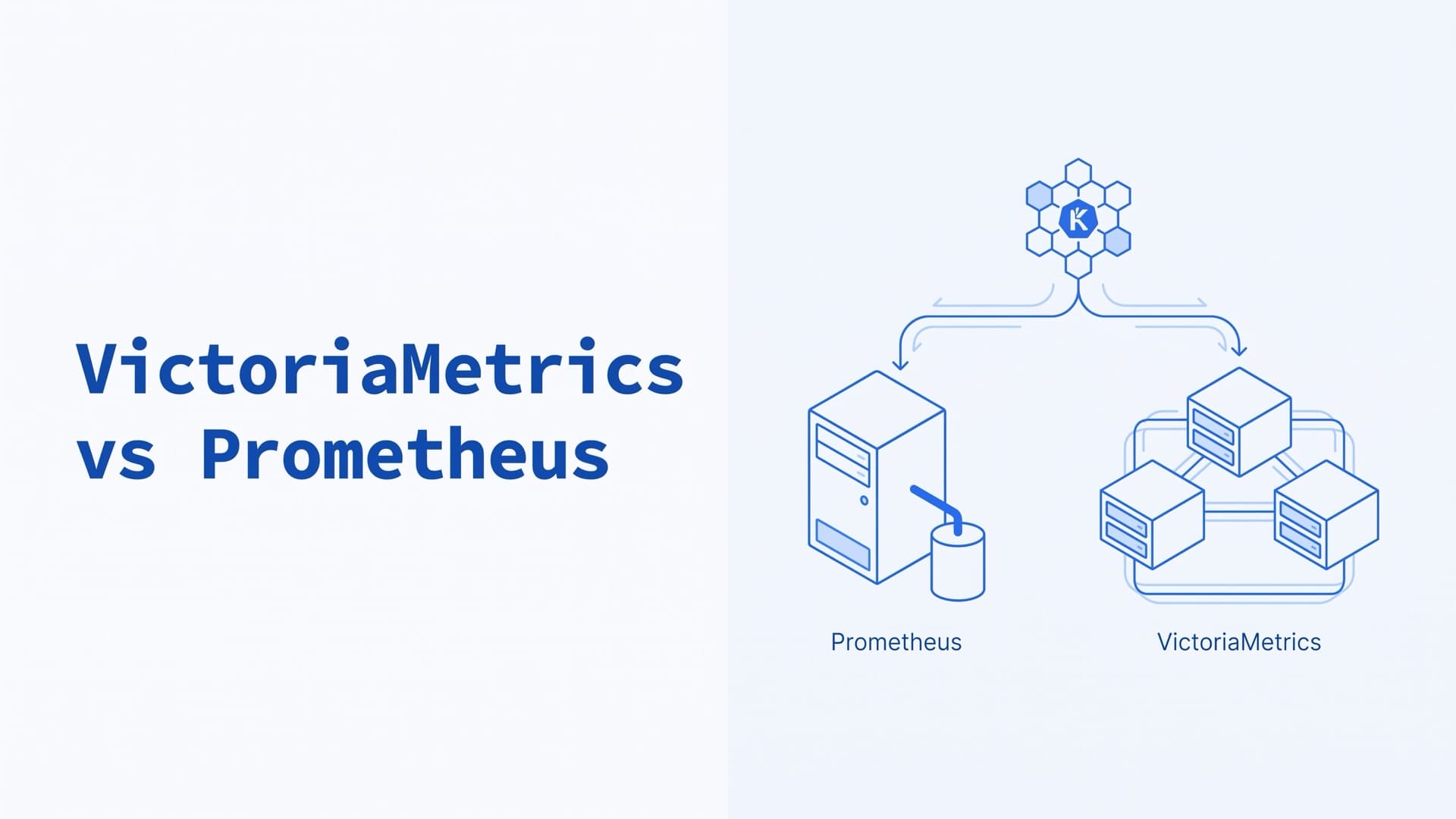
VictoriaMetrics vs Prometheus: Differences & When to Switch
VictoriaMetrics doesn't have to replace Prometheus. Compare storage, HA, MetricsQL, Enterprise features, Thanos, Mimir and migration, as of October 2026.
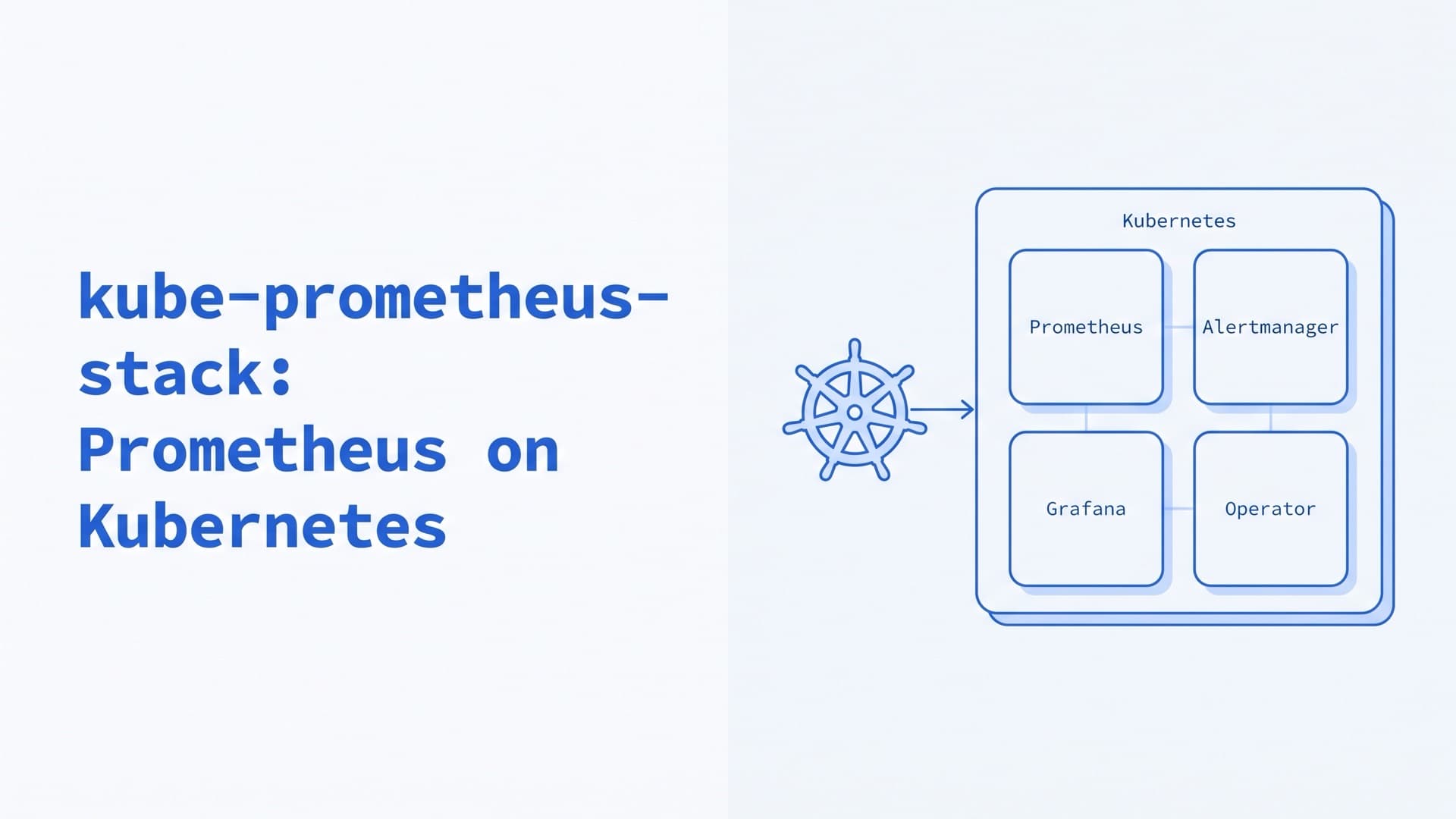
kube-prometheus-stack: Prometheus on Kubernetes
How to run kube-prometheus-stack and the Prometheus Operator in production: Helm values, ServiceMonitors, alerts, CRD upgrades, storage and remote_write.
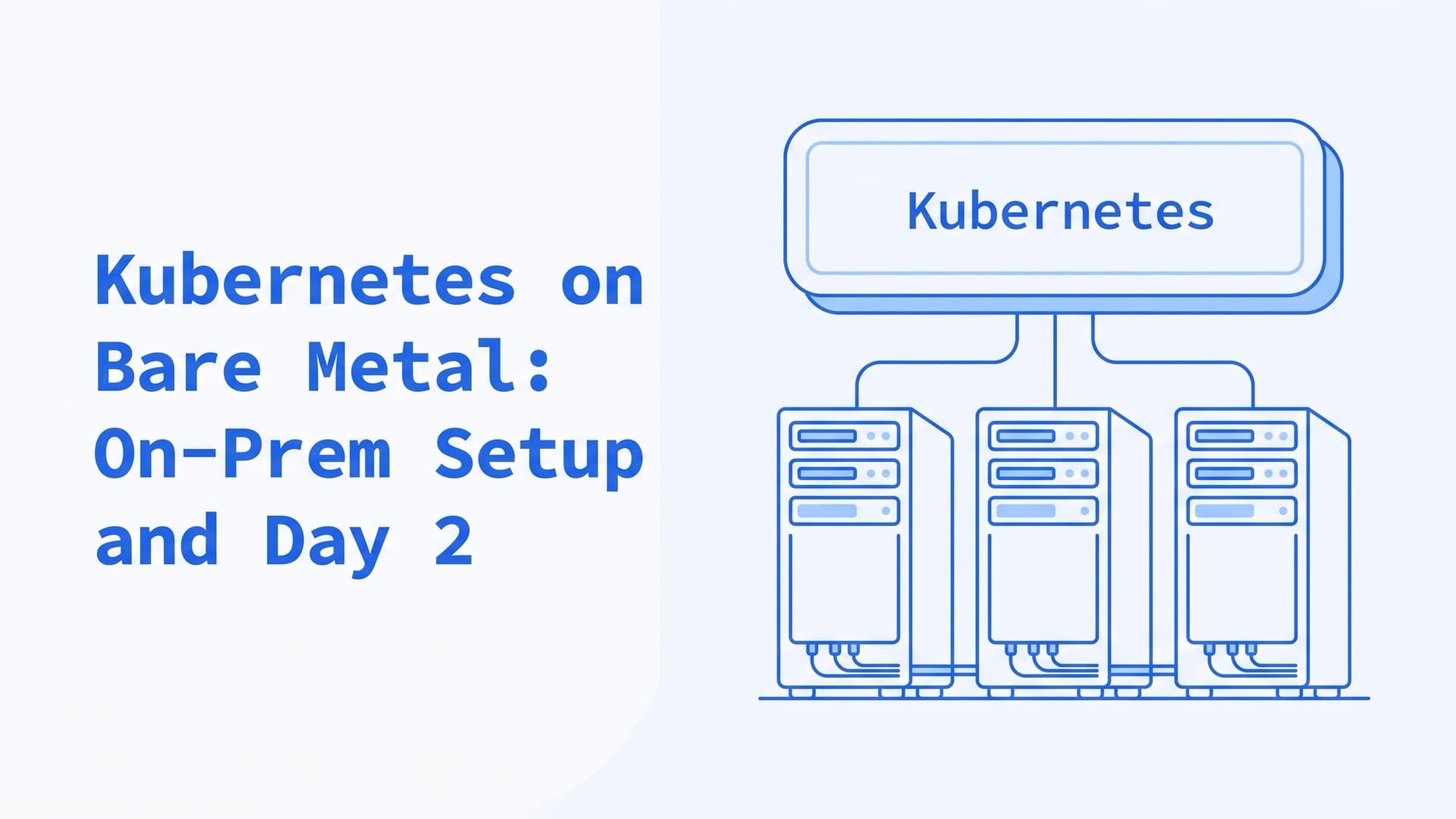
Kubernetes on Bare Metal: On-Prem Setup and Day 2
How to run Kubernetes on bare metal and on-premise in 2026: provisioning, distributions, HA, load balancing, storage, upgrades, costs and our on-prem work.