
Wordpress Sphinx Search plugin version 3.0 released
 Mindaugas Zukas··Updated
Note, October 2026: this plugin is no longer available in the WordPress plugin directory. The post is kept as a record of the release.

We're glad to announce the third version of WordPress Sphinx Search plugin.
WordPress Sphinx Search plugin allows to use Sphinx Search Server power to enable ultra-fast and feature-rich search on WordPress-based websites. It is especially useful when your WordPress site becomes very large.
The new version enables a range of new tools that improve search quality and can help you increase your site's rankings in search engines like Google and Bing.
With this version search results are more relevant, you can perform searches in posts, pages and comments using flexible search syntax sorting the results by freshness and relevance. This plugin comes with sidebar widgets to display the most recent searches, top searches and related searches.
New "freshness & relevance" search mode
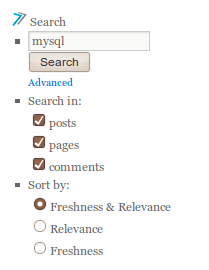
New "freshness & relevance" search mode lets you sort results by relevance within time segments. It is perfect for blogs and news sites as new relevant posts will rank higher than old ones not allowing old information to take best positions in the search results. This mode is on by default.
Related search terms widget
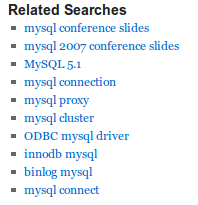
This is a great tool for SEO and navigation on your site, it shows relevant search phrases for different sections of your blog:
-
Search result pagess
-
Posts
-
Pages
For example if site visitor is on your product page the widget will analyze the page title and will show the most relevant search terms. When visitors search for "ipad", other relevant search terms that include "ipad" will be displayed in this sidebar widget.
And the most tasty:
-
This widget will help search engines like Google and Bing to find more relevant pages on your site to improve your search engine rankings
-
It can also help visitors find relevant information on your site easier
Search terms management
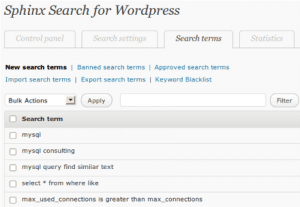
All searches, performed by your visitors are being tracked and we've developed a range of tools to manage the tracked search terms. You can control the search terms that are displayed in the widgets.
With the search terms management tools you can:
-
Show only approved search terms
-
Block search terms
-
Make blacklist to hide all search terms containing the blacklisted phrases
-
Import your own search terms which fit your blog site best of all
-
Export search terms to Excel-like document
Search engine friendly URLs
Human readable or search engine friendly URLs are the URLs that make sense to both humans and search engines because they explain the path to the particular page they point to.
A few advantages of search engine friendly URLS:
-
Letting users know what the URL is about
-
Keyword-rich URLs impact SEO (can improve your page rankings on search engines like Google).
-
URLs are cleaner, meaningful and descriptive, for example,
http://yourblog.com/search/product+name/looks better thanhttp://yourblog.com/?s=product+name
How to enable search engine friendly URLs?
By default this option is turned off, so here's how you can enable it.
Activate WordPress permalinks. Go to WP Admin → Settings → Permalinks and chose non default option.
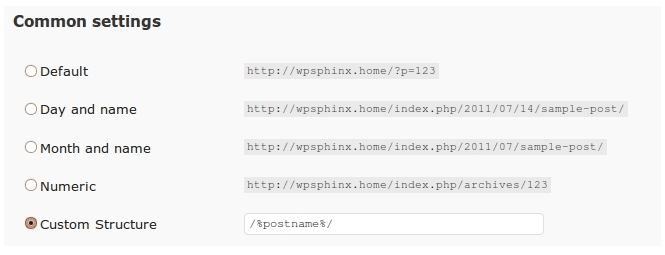
Then download and install WordPress Sphinx Search plugin version 3.3 or higher from the WordPress plugin directory.
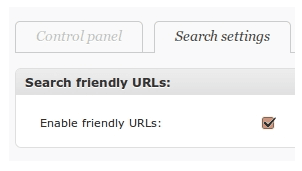
After installation is complete, go to Settings → Sphinx Search → Search settings (tab) and set "Enable friendly URLs" option to ON.
And many more...
-
Sphinx in each widget component. All parts of the plugin now use Sphinx which means no more heavy MySQL full-text search queries. All works extremely fast.
-
Search terms statistics. This is a good tool to analyze your search terms. It helps you better understand what your visitors look for on your site.
-
Improved top searches widget. Lots of new settings have been added to the top searches widget. You can now take more control over what things will be shown on different types of pages on your site. Besides, it is now easier to manage it using the search terms management tool. You can also add your own terms to always display in top searches list — good ability to promote something on your site, for example your new product.
Need help integrating Sphinx Search into your application? Talk to our engineering team.
Frequently Asked Questions
What is the WordPress Sphinx Search plugin?
The WordPress Sphinx Search plugin replaces WordPress’s default MySQL full-text search with Sphinx Search Server, which is especially useful when a WordPress site becomes very large. It indexes posts, pages, and comments, supports flexible search syntax, and includes sidebar widgets for related searches, top searches, and recent search terms.
How does the "freshness and relevance" search mode work?
This mode sorts results by relevance within time segments, so newer relevant posts rank higher than older ones. It prevents stale content from dominating search results — particularly useful for blogs and news sites where recency matters. The mode is enabled by default in version 3.0 and can be toggled in plugin settings.
How does the related search terms widget help SEO?
The widget analyzes page titles and displays relevant search phrases as internal links. These links help search engines discover more pages on your site and help visitors find related content. For example, on a product page, the widget shows the most relevant search terms that include the product name, creating natural internal linking patterns that improve crawlability.
Can I control which search terms appear in widgets?
Yes. Version 3.0 includes full search term management: approve or block individual terms, create blacklists to hide terms containing specific phrases, import your own promotional terms, and export all search data to spreadsheets. This gives you editorial control over what appears in top searches and related searches widgets.
Related Reading
Related posts

Massive Indexing with Sphinx
Imagine the following situation: multiple Sphinx daemons are serving huge amount of data running on numerous hardware servers.

Sphinx: building 1M docs index having no one real doc
Just want to share an interesting trick on how to easily index something with Sphinx without need of populating database with a lot of data or doing smth...

Correct ordering of search result set using Sphinx
**Once you get results from Sphinx, it is important to maintain the way they are ordered. The typical search process used by Sphinx looks like the following:**