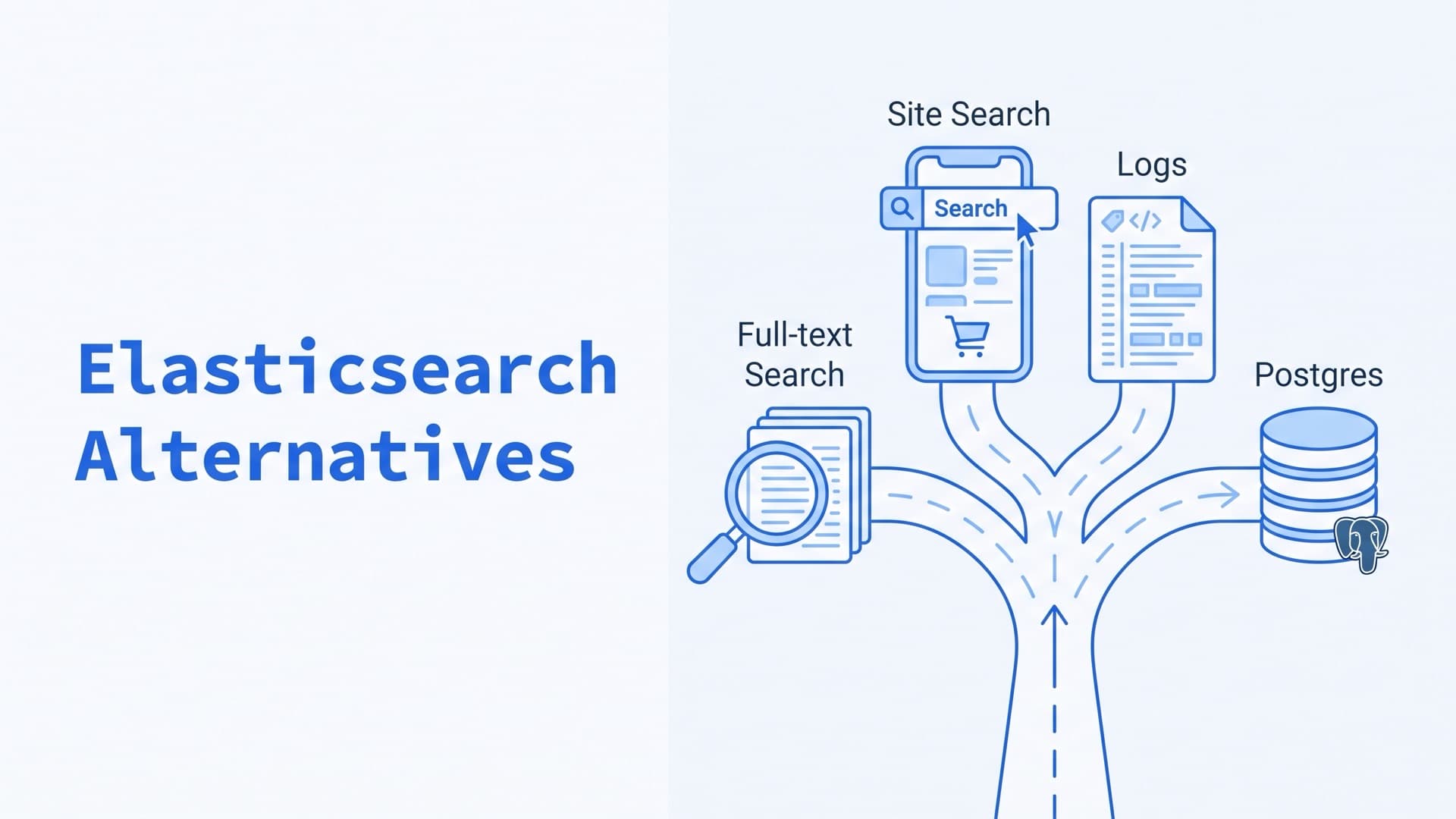
Elasticsearch Alternatives in 2026, by Workload
The best Elasticsearch alternative depends on the job. For search inside a website or app, look at Typesense, Meilisearch or Algolia. For large full-text search with filters and analytics, look at OpenSearch, Apache Solr or Manticore Search. For logs, look at OpenSearch, Grafana Loki or ClickHouse-based tools. Small apps already on Postgres can often use its built-in full-text search.
Ivinco has built search since 2009. We started on Sphinx, presented real-world Sphinx implementations at its first user conference in 2010 and released Sphinx plugins for WordPress and DokuWiki. Today we build search on Manticore Search, which grew out of Sphinx in 2017, and on other engines, Elasticsearch included. All sources were checked in October 2026.
Elasticsearch alternatives compared
OpenSearch is the closest match to Elasticsearch. The rest fit narrower jobs, from site search to logs. License here means the license of the source code. Elastic's downloads ship under the Elastic License (ELv2).
| Engine | License | Best for | Managed |
|---|---|---|---|
| Elasticsearch | AGPLv3, SSPL, ELv2 | Search, logs | Elastic Cloud |
| OpenSearch | Apache 2.0 | Closest match | AWS and others |
| Apache Solr | Apache 2.0 | Tunable text search | Third-party |
| Manticore Search | GPLv3 or later | Text search in SQL | Self-host |
| Vespa | Apache 2.0 | ML ranking, vectors | Vespa Cloud |
| Typesense | GPLv3 | Site and app search | Typesense Cloud |
| Meilisearch | MIT, BUSL | Site and app search | Meilisearch Cloud |
| Algolia | Commercial | Site and app search | Hosted only |
| Postgres search | PostgreSQL License | Apps on Postgres | Any Postgres host |
| ParadeDB | AGPLv3 | BM25 in Postgres | Cloud (preview) |
| Grafana Loki | AGPLv3 | Logs, by label | Grafana Cloud |
| ClickHouse | Apache 2.0 | SQL over logs | ClickHouse Cloud |
| Quickwit | Apache 2.0 | Logs, traces | Self-host |
Elasticsearch alternatives for large-scale full-text search
These engines handle large text collections with filters, facets and aggregations, as in catalogs, document archives and content sites. OpenSearch keeps the Elasticsearch model under Apache 2.0. Solr gives fine control over text analysis. Manticore Search suits teams that prefer SQL. Vespa fits when machine-learned ranking decides the outcome.
OpenSearch
OpenSearch forked Elasticsearch 7.10.2 and Kibana 7.10.2, which became OpenSearch Dashboards. In September 2024, AWS moved the project to the OpenSearch Software Foundation under the Linux Foundation. It is written in Java under Apache 2.0. Documentation.
Good at. One system for application search, logs and dashboards, under a permissive license. Security, alerting and anomaly detection are built in. AWS runs it as Amazon OpenSearch Service, and other providers such as Aiven host it too. The Migration Assistant moves data, metadata and live traffic from Elasticsearch 5.x through 8.x.
Watch out for. The two projects have drifted apart since 2021. OpenSearch's docs say no Elasticsearch client is fully compatible with OpenSearch 2.0 or later. OpenSearch 3.0 removed the setting that let it report version 7.10.2 to older Elasticsearch tools. You still run a Java cluster with shards, replicas and heap to manage.
Apache Solr
Solr is the Apache Software Foundation's search platform, built on Apache Lucene. It is written in Java under the Apache 2.0 license. Documentation.
Good at. Fine control over text analysis, schemas, faceting and filtering. It scores text with BM25 by default, as Elasticsearch does, so ranking behaves in a familiar way. Solr 10, released in March 2026, expanded vector search with quantized vectors. Third parties such as SearchStax offer managed Solr.
Watch out for. Production SolrCloud should run its own ZooKeeper ensemble. The reference guide says the embedded ZooKeeper is fine for getting started and should not run in production. Moving from Elasticsearch means new schemas, configuration sets, APIs and clients.
Manticore Search
Manticore Search is a C++ search engine under GPLv3 or later, forked from Sphinx 2.3.2 in 2017. Documentation.
Good at. Full-text search with filters and aggregations, in SQL over the MySQL protocol or an HTTP JSON API. It has real-time tables, columnar storage and vector search. Since version 27.1.5, it can shard and replicate a table automatically. It accepts Elasticsearch-style bulk writes, so Logstash and Filebeat can send data to it.
Watch out for. Application queries need a rewrite into SQL or Manticore's own JSON API. Kibana support is experimental and excludes Kibana 8.x. OpenSearch Dashboards works without nested aggregations. These integrations run through Manticore Buddy, a PHP sidecar that ships and starts with the server. Manticore's own comparison gives Elasticsearch a slight edge in official client libraries, and its services page lists support plans and no hosted service.
Vespa
Vespa is a search and ranking engine that Yahoo spun out as a company in October 2023. It is written in Java and C++ under Apache 2.0, and Vespa Cloud runs it for you. Documentation.
Good at. Queries that combine text, vectors and structured data, with distributed machine-learned ranking. It fits search and recommendation systems where ranking quality decides the outcome.
Watch out for. Vespa has its own schemas and its own query language, YQL. Moving from Elasticsearch means rewriting the application layer. For a plain search box, it is more system than you need.
Elasticsearch alternatives for site and app search
These engines are built around the search box of a website or app. They give typo tolerance, filters and facets with little setup. Typesense keeps the whole index in RAM, Meilisearch's index can grow past it, and Algolia is hosted only.
Typesense
Typesense is an open-source search engine for site and app search, written in C++ under GPLv3. Typesense Cloud runs dedicated clusters for you. Documentation.
Good at. Typo tolerance out of the box, plus sorting, faceting, filtering and curation. It ships as a single binary with Raft-based clustering. For high availability, the docs recommend three or five nodes. Typesense Cloud bills a dedicated cluster by the hour, plus bandwidth, with no per-search fees.
Watch out for. Typesense keeps the entire search index in memory. Its docs estimate RAM at two to three times the size of the fields you search.
Meilisearch
Meilisearch is a search engine for apps and sites, written in Rust. The Community Edition is MIT-licensed. The Enterprise Edition is under the Business Source License 1.1, and it powers Meilisearch Cloud. Documentation.
Good at. Predictable ranking. It applies ordered rules such as words, typo and proximity, and each rule breaks ties left by the one before. Its storage is memory-mapped, so an index can grow larger than RAM.
Watch out for. Sharding and replication need the Enterprise Edition, which cannot be used freely in production. The docs say Meilisearch works best when the whole dataset fits in RAM. They also report that a RAM-to-disk ratio of about one to three does not materially hurt performance.
Algolia
Algolia is a hosted search platform. Documentation.
Good at. No servers to run, and tools for the people who manage results. Every plan includes built-in A/B testing, and the Grow Plus and Elevate plans add a visual editor for search rules.
Watch out for. Algolia bills by search requests and records. In autocomplete, every keystroke is a new search request, so a busy search box adds up fast.
Elasticsearch alternatives for vector and hybrid search
Vector search finds documents by meaning, for example to give an AI assistant the right context. Elastic's annual report names vector databases such as Pinecone, Qdrant and Weaviate among its search rivals. You may not need a separate one. OpenSearch, Solr, Manticore Search, Vespa, Typesense and Meilisearch all store vectors next to text. Postgres can too, through the pgvector extension, and Algolia's Elevate plan adds hybrid search.
Hybrid search mixes text and vector results, and engines mix them in different ways. OpenSearch can normalize and combine the scores or fuse the rankings. Typesense gives keyword ranks 70% of the weight by default. Meilisearch sets the balance with a semantic ratio. Put hybrid queries in your test set.
Postgres full-text search vs Elasticsearch
If your data already lives in Postgres, you may not need a separate engine. Start with what Postgres ships, and look at ParadeDB when you need better ranking.
Postgres built-in full-text search
PostgreSQL has built-in full-text search. It stores documents as tsvector and queries as tsquery, and GIN indexes are the preferred index type. PostgreSQL uses its own permissive license.
Good at. No new system to run, sync or monitor. Search uses the same database and the same SQL as the rest of your app. Fuzzy matching comes from the pg_trgm module.
Watch out for. The ranking functions use no global information, so ranking ignores how common a word is across the table. The docs also warn that ranking can be slow, because it reads the tsvector of every matching document.
ParadeDB
ParadeDB adds BM25-scored search, facets and aggregations to Postgres through its pg_search extension. It is built on Tantivy, a Rust search library. The Community edition is under AGPLv3. Enterprise is commercial and comes with ParadeDB Cloud, which is in private preview. Documentation.
Good at. Search-engine ranking inside Postgres, with standard SQL and ACID transactions. Where you can install the extension, there is no second cluster to keep in sync.
Watch out for. If your Postgres runs on a managed service such as AWS RDS, ParadeDB's docs describe a separate instance fed by logical replication. That instance needs Postgres 17 or later.
Elasticsearch alternatives for logs
Log data arrives fast and rarely changes. OpenSearch, covered above, handles logs with OpenSearch Dashboards. Of the tools below, Loki suits filtering by labels, ClickHouse suits SQL analytics, and Quickwit searches logs in object storage.
Grafana Loki
Loki is Grafana Labs' log store, written in Go. Grafana relicensed it from Apache 2.0 to AGPLv3 in April 2021. Grafana Cloud offers it as a managed service. Documentation.
Good at. Low-cost log storage. Loki indexes only a set of labels for each log stream. It stores the log lines as compressed chunks in object storage such as S3. Its query language, LogQL, can also turn log lines into metrics.
Watch out for. Loki does not index the text of your logs. A query finds streams by label, then reads and decompresses the matching chunks. Good labels are the key to fast queries, and a text search across many streams reads a lot of data.
ClickHouse and ClickStack
ClickHouse is a column-oriented SQL database for analytics, written in C++ under Apache 2.0. ClickStack packages it with the HyperDX interface and an OpenTelemetry collector as an open-source observability stack. ClickHouse Cloud is the managed option.
Good at. SQL over large volumes of logs, traces and metrics. Text indexes became generally available in version 26.2 and speed up token and LIKE filters.
Watch out for. ClickHouse's own announcement says its full-text search is not a relevance engine. It has no TF-IDF or BM25 scoring. Use it to filter and count log lines, and keep user-facing search on another engine.
Quickwit
Quickwit is a Rust search engine for logs and traces that searches straight from object storage. Its team joined Datadog in January 2025. The project was relicensed from AGPLv3 to Apache 2.0 that month. Version 0.9.0 shipped in July 2026, two years after 0.8.2, and 0.9.1 followed in September. Documentation.
Good at. Immutable data such as logs and traces, with compute and storage separated. Its Elasticsearch-compatible API accepts _bulk, _search and _msearch calls and 15 query types, which eases a move from an ELK stack.
Watch out for. The docs call that API incomplete. Its _bulk endpoint accepts only the create action and skips updates and deletes. The docs advise against Quickwit for e-commerce search and for data that changes. The team said it would focus on a new product with Datadog, so check the release pace before you commit.
Why companies move away from Elasticsearch
The usual reasons are the license, paid features, cluster upkeep and a poor fit for the job.
The license changed twice. In January 2021, Elastic announced that Elasticsearch and Kibana would leave Apache 2.0. Version 7.11 shipped that February under the Server Side Public License (SSPL) and the Elastic License. In April 2021, AWS introduced OpenSearch, a fork of the last Apache 2.0 release, 7.10.2. In August 2024, Elastic announced AGPLv3 as a third option. The source code carries it from version 8.16.0, released in November 2024. The code in the x-pack folder, a large part of the repository, stays under the Elastic License only.
Some features cost money. On self-managed Elasticsearch, the free Basic tier includes role-based access control and vector search. Single sign-on, field- and document-level security and cross-cluster replication need Platinum or Enterprise. Searchable snapshots and Learning to Rank need Enterprise. Elastic no longer sells Platinum to new self-managed customers, so they need Enterprise for all of these.
Clusters take work. Elastic suggests shards between 10GB and 50GB and warns that too many shards can make a cluster unstable. If you set the JVM heap yourself, Elastic says to keep it at or below half of a node's memory.
The tool can be bigger than the job. A store's search box needs typo tolerance, facets and fast answers. A log pipeline needs cheap storage for data that rarely changes. Elasticsearch can do both. An engine built for one of them has fewer parts to run.
What it costs to switch from Elasticsearch
A move costs more than new servers. Plan for reindexing, query and client rewrites, relevance tuning, rebuilt dashboards and the people who run it all.
Reindexing. Plan to reload everything. OpenSearch could take over indexes created by Elasticsearch 6.0 to 7.10 only. OpenSearch 3.0 and later do not support any index created before OpenSearch 2.0. Every other engine builds its index from scratch. You can feed it from your source data, or export documents from Elasticsearch, which keeps each one in _source by default. Keep your source data and the pipeline that loads it.
Queries and clients. The Elasticsearch Query DSL does not carry over unchanged to Solr, Manticore, Vespa, Typesense, Meilisearch or Postgres. Each has its own API and client libraries. Elasticsearch clients are not fully compatible with OpenSearch 2.0 or later either, so plan to switch to OpenSearch clients.
Relevance. Engines rank text differently. Elasticsearch and Solr use BM25 by default. Meilisearch sorts by ordered ranking rules, and Postgres ranks without collection-wide statistics. The same query can return the same documents in a different order. Our note on BM25 in Sphinx shows how its formula once pushed the best match down the list when a word appeared in every document.
Dashboards, alerts and pipelines. OpenSearch's Migration Assistant does not migrate data streams, lifecycle policies, security settings, Kibana objects, ingest pipelines or cluster settings. You recreate most of those by hand, and Kibana objects need a manual export and import through the Dashboards UI. With most other engines, dashboards and alerts move to a new tool.
Compatibility layers. They help with ingestion more than with search. Manticore and Quickwit accept Elasticsearch-style bulk writes. Neither runs the full Query DSL your application sends.
People. Someone has to learn the new engine, run upgrades and carry the pager. Count that time next to the server bill.
How to choose an Elasticsearch alternative
Test each candidate on your own data and real queries. Vendor benchmarks use someone else's data.
- Name the job. Decide whether the engine serves users, logs or analytics. If it serves more than one, consider one engine per job.
- Build a test set. Export a real sample of documents and a few hundred real queries from your search logs. Include queries that return nothing today, plus vector or hybrid queries if you use them.
- Judge relevance. Have someone who knows the content mark the top 10 results for each query. Compare every engine on the same marked set.
- Measure latency under load. Replay real traffic while indexing runs. Track the 95th and 99th percentiles, since averages hide slow queries.
- Price the people. Add the hours for upgrades, backups and on-call to the server cost. A managed service moves much of that work to the vendor's bill. So does an outside team that runs search for you.
- Run both side by side. Keep Elasticsearch serving users while the new engine indexes the same data. Switch reads only when the new engine wins on your test set.
Staying on Elasticsearch is a valid result of this test. It often wins when one cluster serves search, logs and analytics together, or when your application depends on a plugin or on exact Query DSL behavior.
Help with an Elasticsearch migration
We have built search since 2009. Today we build it on Manticore Search, Elasticsearch or whichever engine fits the job. Manticore is our close partner, so a project gets fast support and custom features from its team when it needs them. Tell us about your search workload. The first conversation is free.
Frequently Asked Questions
Is there anything better than Elasticsearch?
For specific jobs, yes. Typesense, Meilisearch and Algolia are simpler for search inside a website or app. Loki indexes only labels, which keeps log storage cheap. OpenSearch offers the same model under Apache 2.0. Elasticsearch remains a strong choice when one system must handle search, logs and analytics together.
What are some good alternatives to Elasticsearch?
OpenSearch is the closest match, a fork of Elasticsearch 7.10.2 under the Apache 2.0 license. For search inside a site or app, Typesense, Meilisearch and Algolia need less setup. Apache Solr and Manticore Search suit large text collections. For logs, look at Grafana Loki or ClickHouse. Small apps on Postgres can use its built-in full-text search.
Who competes with Elastic?
Elastic's annual report for fiscal 2026 names rivals in three markets. Search rivals include Algolia, Apache Solr, Coveo and vector databases such as Pinecone, Qdrant and Weaviate. Observability rivals include Datadog, Dynatrace, New Relic and Splunk. Security rivals include CrowdStrike and Palo Alto Networks. It also names AWS, whose service is based on a fork of Elastic's platform.
Is Elasticsearch outdated?
No. Elastic released Elasticsearch 9.5.5 in October 2026, and the free Basic tier includes vector search. The license and the competition have changed. OpenSearch has offered the same model under Apache 2.0 since 2021, and engines such as Typesense, Meilisearch and Loki cover narrower jobs with less to run.
Why are companies moving away from Elasticsearch?
The common reasons are the 2021 license change, features that need a paid subscription, and the work of running a cluster. Teams that wanted Apache 2.0 moved to OpenSearch. Others found that their job, such as a site search box or log storage, fits a smaller engine with fewer parts to manage.
Is Elasticsearch free or open source now?
Both, with conditions. From version 8.16.0, released in November 2024, Elasticsearch source code outside the x-pack folder is available under AGPLv3, alongside SSPL and the Elastic License 2.0. AGPLv3 is an OSI-approved open-source license. The x-pack code and the default download stay under the Elastic License. Paid features still need a subscription.
What is the best free, open-source alternative to Elasticsearch?
OpenSearch, if you want the same model. It forked Elasticsearch 7.10.2, uses the Apache 2.0 license and is governed by the OpenSearch Software Foundation. For large text search, Apache Solr (Apache 2.0) and Manticore Search (GPLv3 or later) are strong options. For app search, look at Typesense or Meilisearch's MIT-licensed Community Edition. All of them are free to run yourself.
What is the best Elasticsearch alternative for logs?
It depends on how you query. Loki keeps costs low when you filter by labels and rarely search raw text. ClickHouse-based stacks such as ClickStack suit SQL analytics over large log volumes. OpenSearch keeps a full search engine with dashboards. Quickwit searches logs on object storage and accepts Elasticsearch-style ingestion.
Is there a Rust alternative to Elasticsearch?
Yes. Meilisearch is written in Rust and targets search inside apps and sites. Quickwit, also in Rust, targets logs and traces on object storage. ParadeDB adds BM25 search to Postgres using Tantivy, a Rust library. Tantivy itself is a library for building search engines, so it does not run as a server.
Related posts
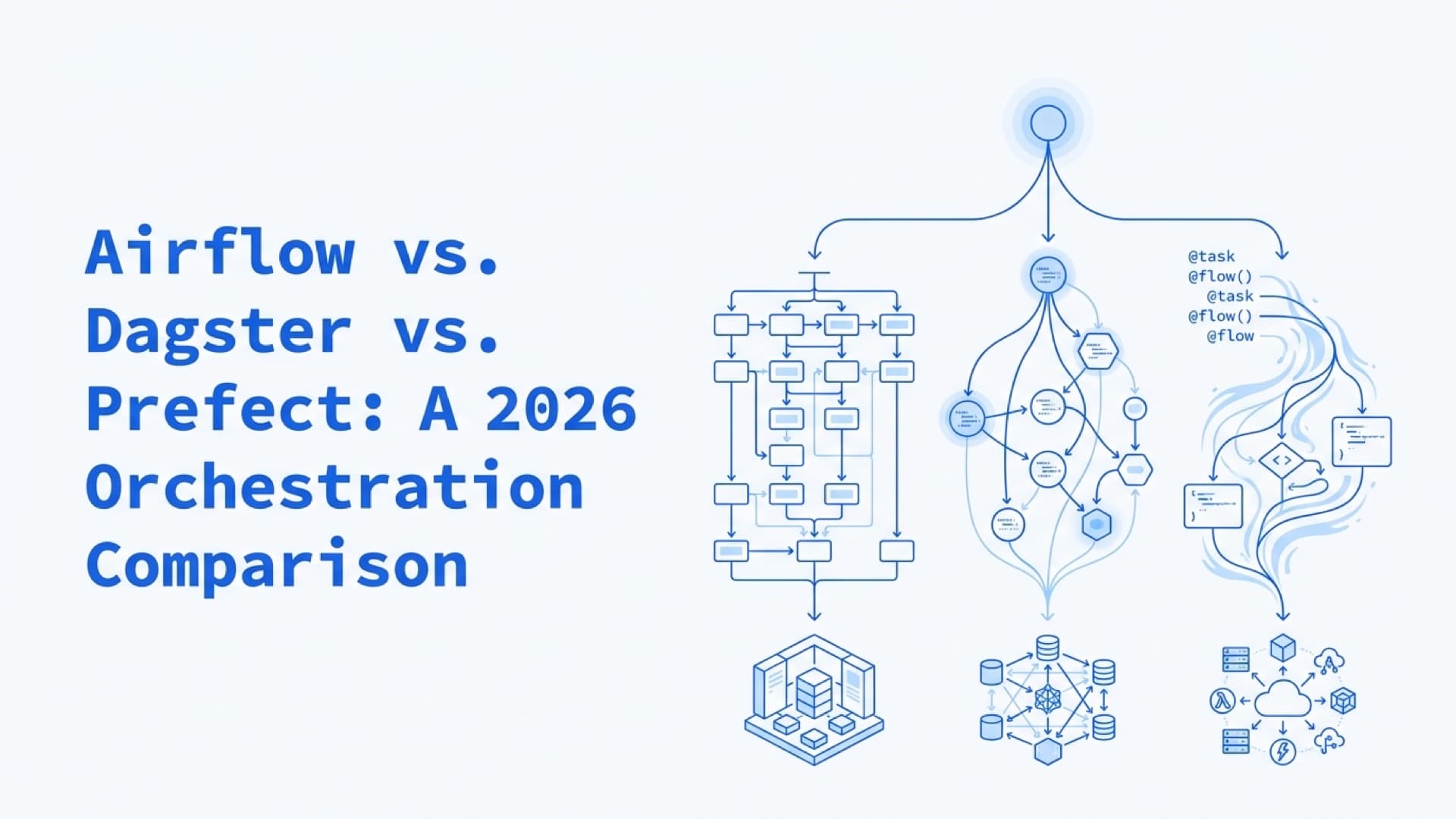
Dagster vs Airflow: A Vendor-Neutral 2026 Comparison
Dagster vs. Airflow comes down to assets vs. tasks. A 2026 comparison of Dagster, Airflow 3 and Prefect: side-by-side table and when to pick each.
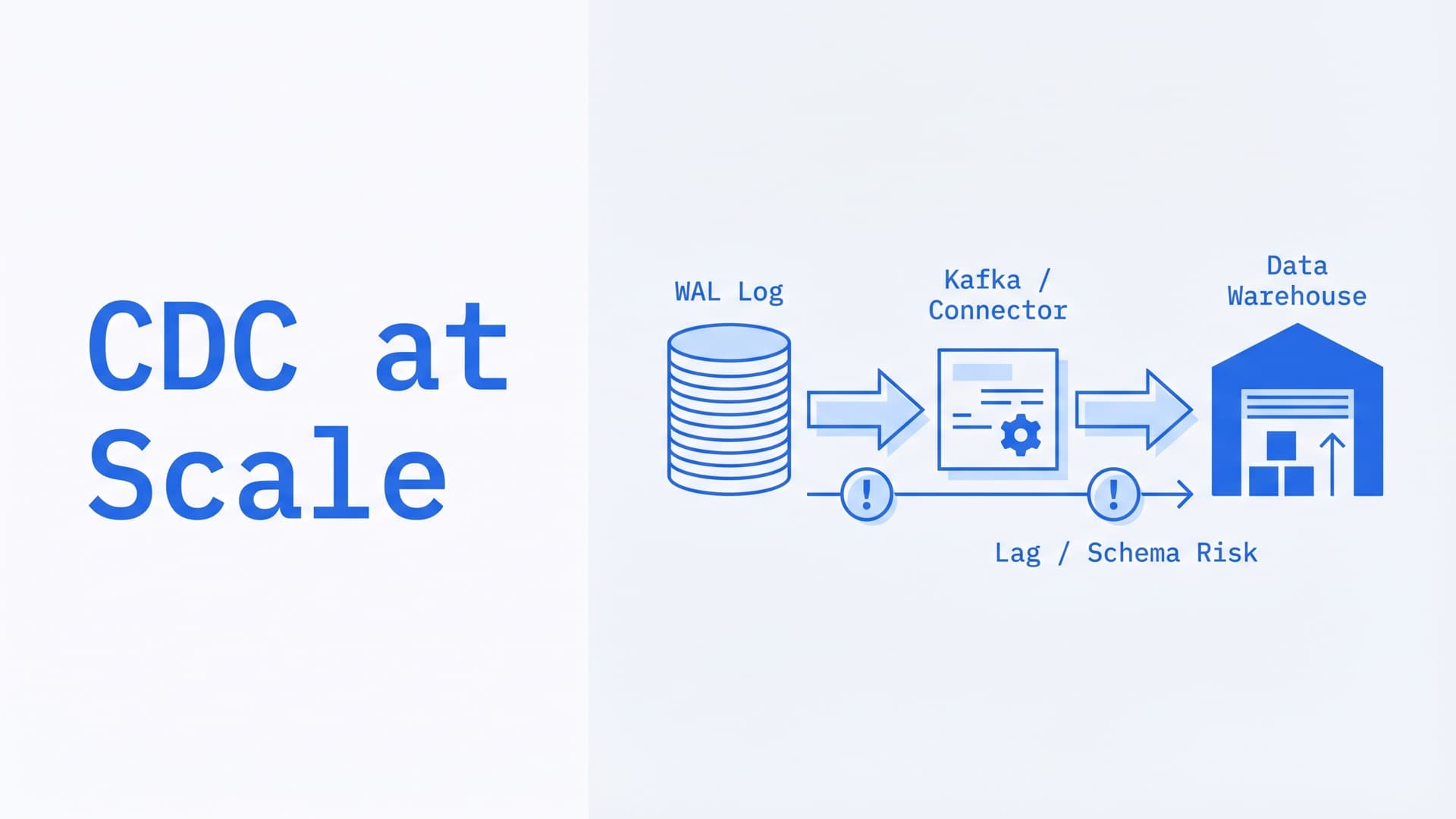
Change Data Capture (CDC): How It Works and Breaks
Change data capture streams every insert, update and delete to other systems. How CDC works, the four methods, Debezium vs. Flink CDC, and what breaks.
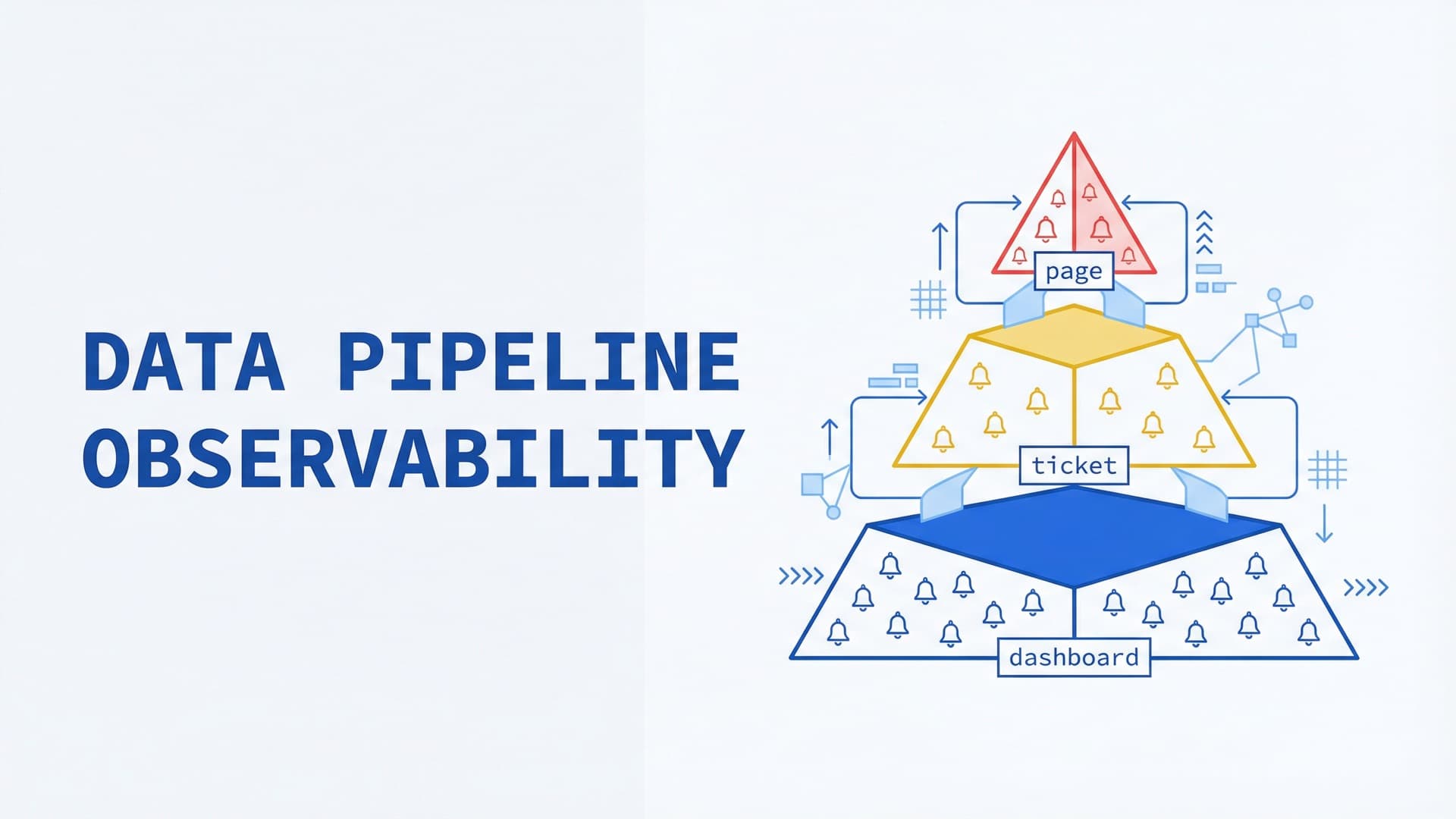
Data Pipeline Observability: Monitoring Airflow + dbt Without Drowning in Alerts
Hundreds of tests, dozens of weekly alerts, and a Slack channel nobody reads. That's alert debt. The monitoring stack that catches real failures without burying your team.