Every K8s upgrade is a prayer. Every outage is a fire drill.
We take over your Kubernetes clusters — setup, monitoring, cost optimization, 3 AM incidents. Your engineers go back to building product.
The challenge
Fragile clusters
Every K8s upgrade is a prayer. Configs drift, nodes misbehave, and nobody fully understands the YAML.
Team split between building and firefighting
Your engineers spend half their time on infrastructure instead of shipping features.
Overpaying for cloud
Resources provisioned 'just in case' burn money every month. Nobody has time to right-size.
How we help
Cluster design & setup
Production-grade K8s from scratch. Bare metal or cloud. High-availability by default. We design for your workload, not a template.
24/7 monitoring & incident response
We watch your infrastructure so you don't have to. Prometheus, Grafana, alerting, runbooks. Incidents resolved, not escalated.
Cost optimization
Right-sizing, autoscaling, spot instances, resource quotas. We find what you pay for and don't use.
Migration & modernization
Monolith to microservices. On-prem to cloud. Docker Swarm to K8s. We handle the migration so your team keeps shipping.
In production since 2009, on bare metal and in the cloud. We moved a long-term client's big-data platform onto on-prem Kubernetes, and we still run those clusters: version upgrades, and moving their databases in.
Tech stack
Frequently asked questions
- How much does Kubernetes consulting cost?
- It depends on scope. Ongoing managed services are priced per-cluster per month based on complexity. We don't do hourly billing for consulting — you get a fixed monthly cost with clear SLAs.
- Should we use managed Kubernetes or self-managed?
- Managed services (EKS, GKE, AKS) save time on control plane operations but cost more and limit customization. Self-managed on bare metal gives you full control and can be 30-50% cheaper at scale. We help clients choose based on workload, compliance, and team capability.
- How do you optimize Kubernetes costs?
- We right-size resource requests and limits based on actual usage, implement horizontal and vertical autoscaling, leverage spot instances for stateless workloads, set namespace quotas, and clean up idle resources.
- Can you migrate our existing infrastructure to Kubernetes?
- Yes. We've migrated workloads from bare metal, Docker Compose, Docker Swarm, and legacy cloud setups to Kubernetes. The process includes assessment, containerization, cluster design, staged migration, and cutover — with zero-downtime as the goal.
From our blog
View all posts →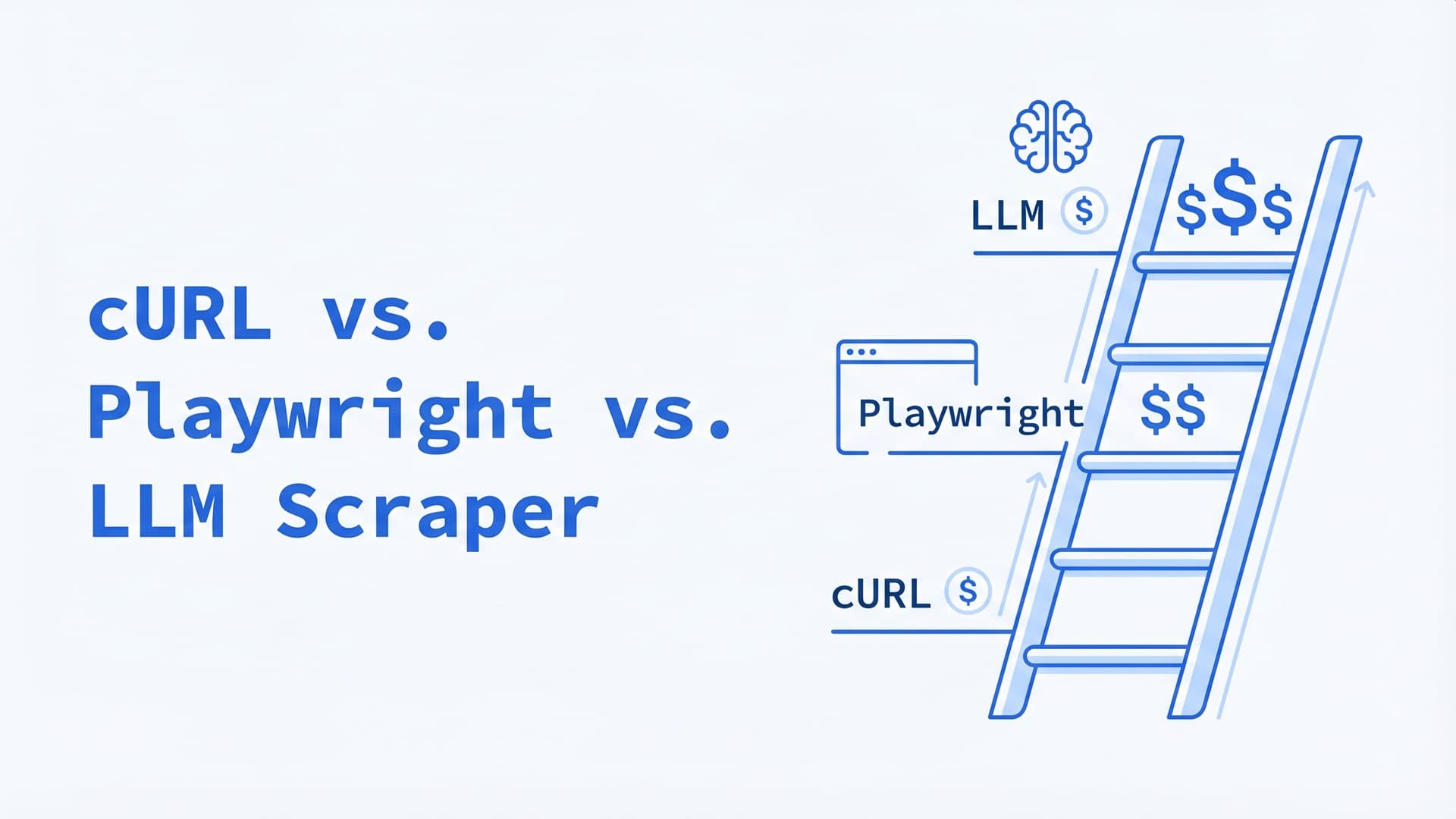
cURL vs. Playwright vs. LLM Scraper: A Decision Tree for 2026
Same scraping job costs $5, $150, or $6,000/month depending on the tool you pick. A 4-step decision tree for choosing between HTTP clients, headless browsers, and LLM-native scrapers in production.
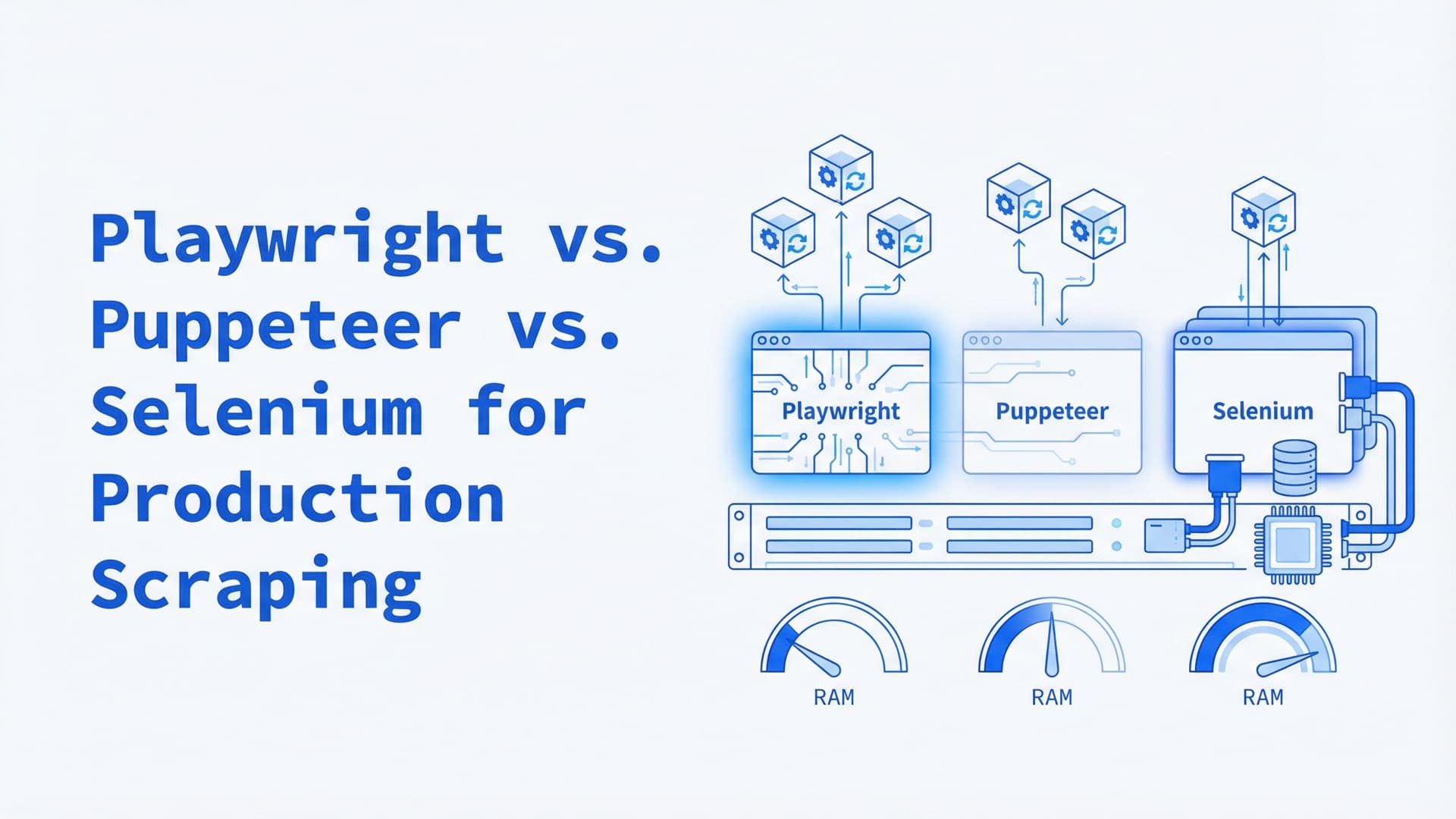
Playwright vs. Puppeteer vs. Selenium for Production Scraping: A 2026 Comparison
Most headless browser comparisons test on localhost. Production scraping at 100+ concurrent sessions reveals different winners — here's the data on memory, detection, and Kubernetes deployment.
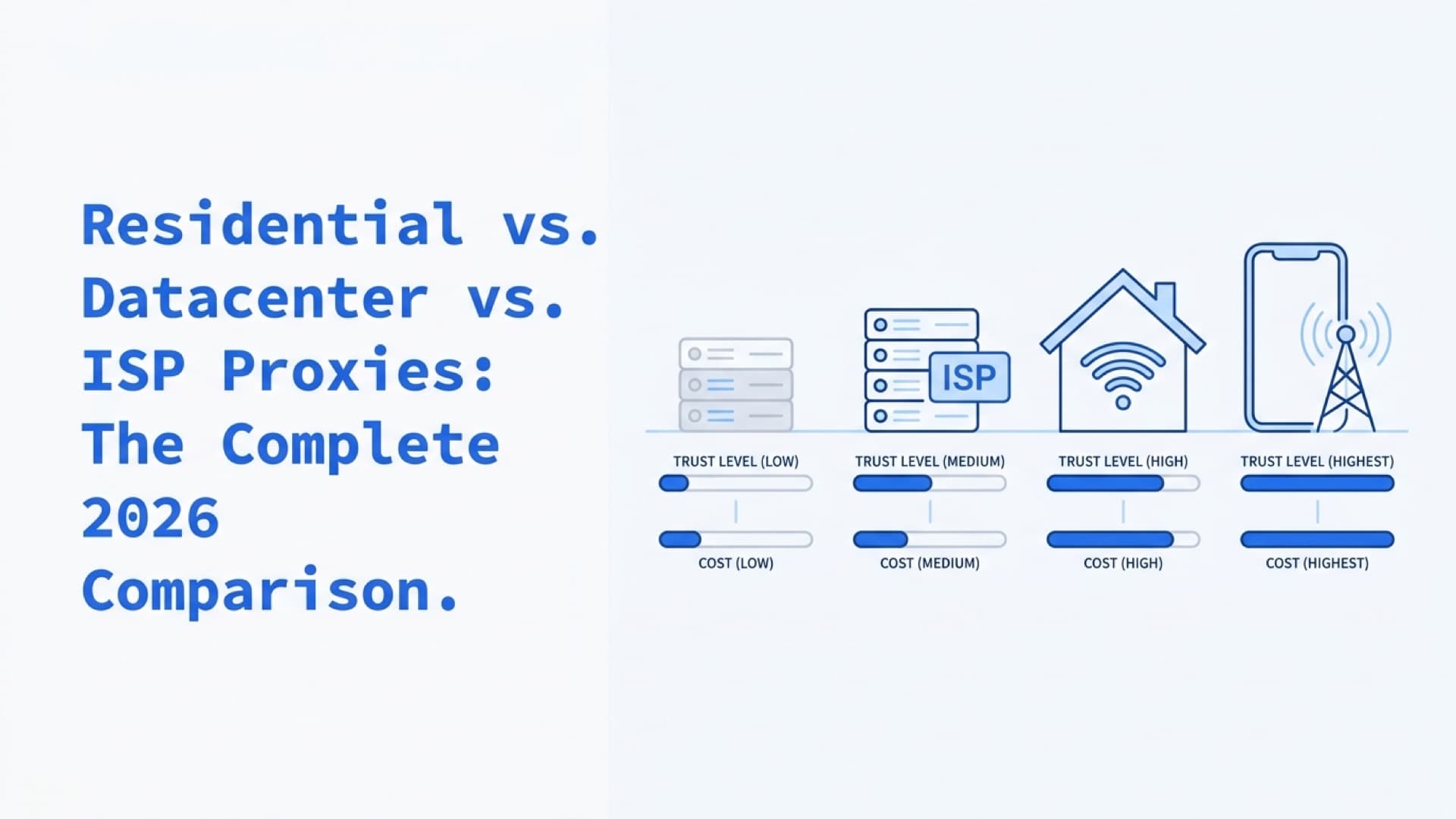
Residential vs. Datacenter vs. ISP Proxies: The Complete 2026 Comparison
Datacenter proxies hit 59.80% success on protected targets. Residential hit 94.30%. ISP proxies land at 89.34% with datacenter speed. Here's when each type wins and what it actually costs per successful request.
You might also need
Ready to talk?
No pitch deck. No sales team. You'll talk directly to an engineer who's done this before.