Blog
Technical insights from a senior engineering team in production since 2009. Kubernetes, data pipelines, AI agents, DevOps, and engineering leadership.
Posts
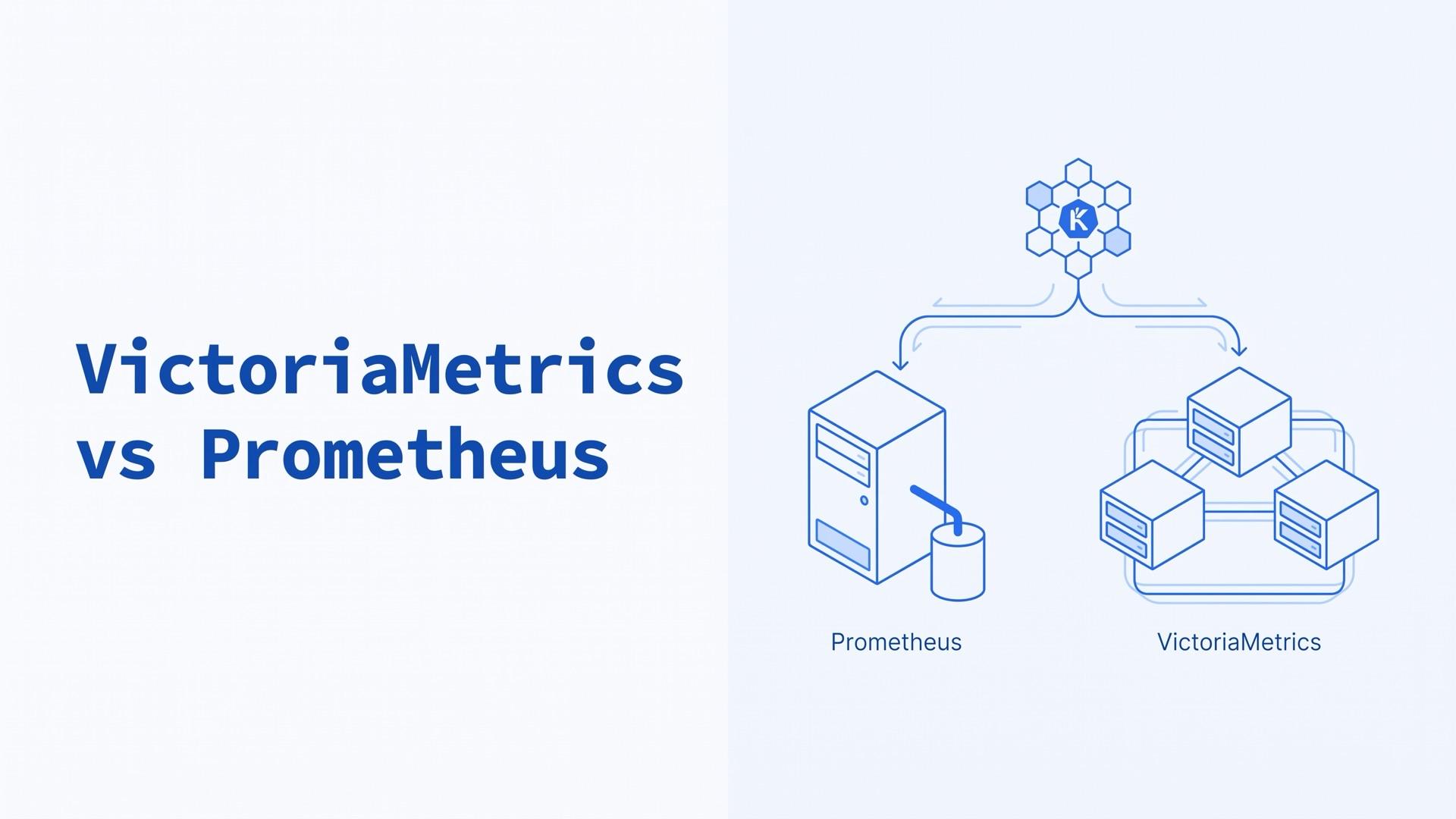
VictoriaMetrics vs Prometheus: Differences & When to Switch
VictoriaMetrics doesn't have to replace Prometheus. Compare storage, HA, MetricsQL, Enterprise features, Thanos, Mimir and migration, as of October 2026.
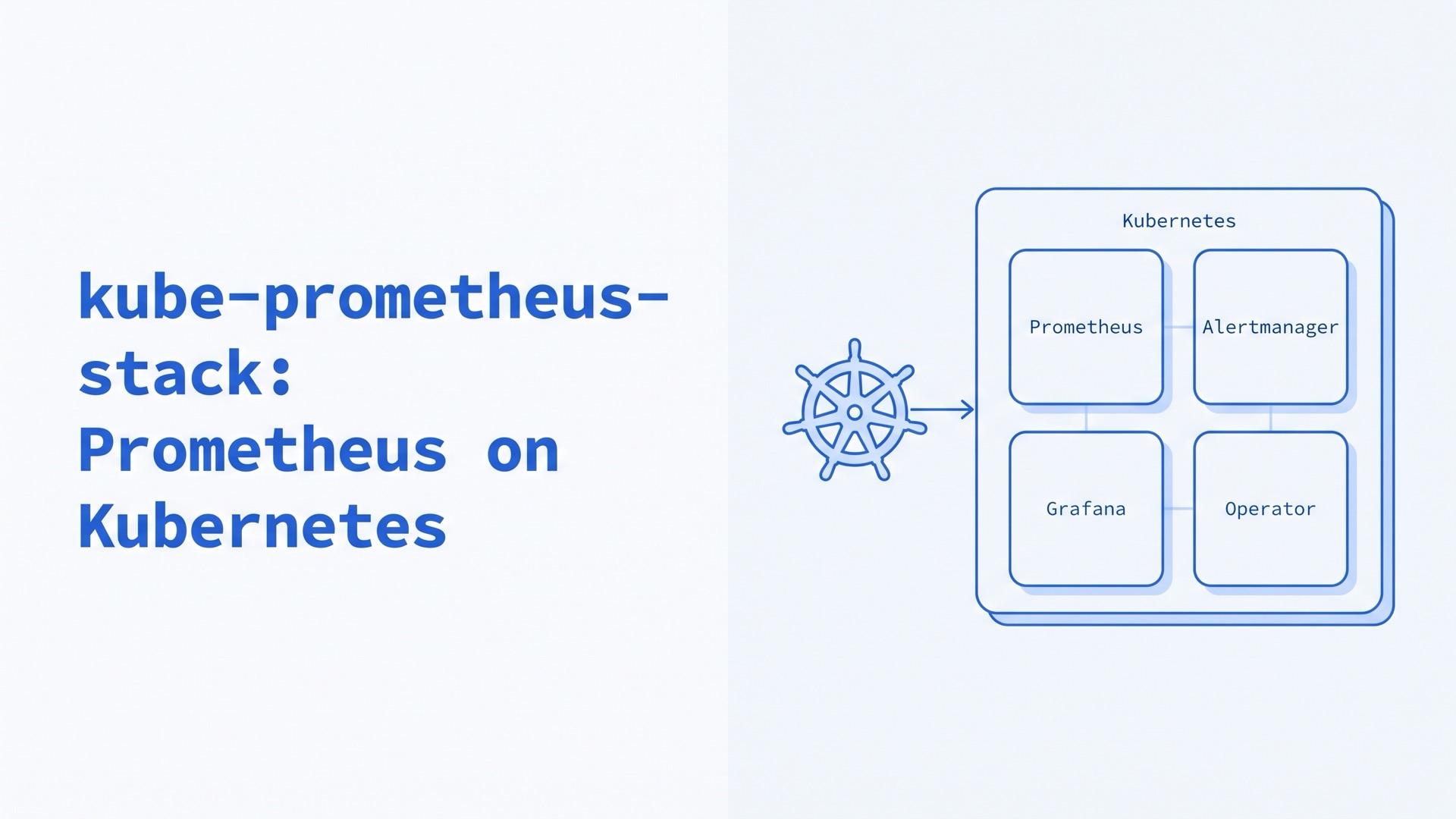
kube-prometheus-stack: Prometheus on Kubernetes
How to run kube-prometheus-stack and the Prometheus Operator in production: Helm values, ServiceMonitors, alerts, CRD upgrades, storage and remote_write.
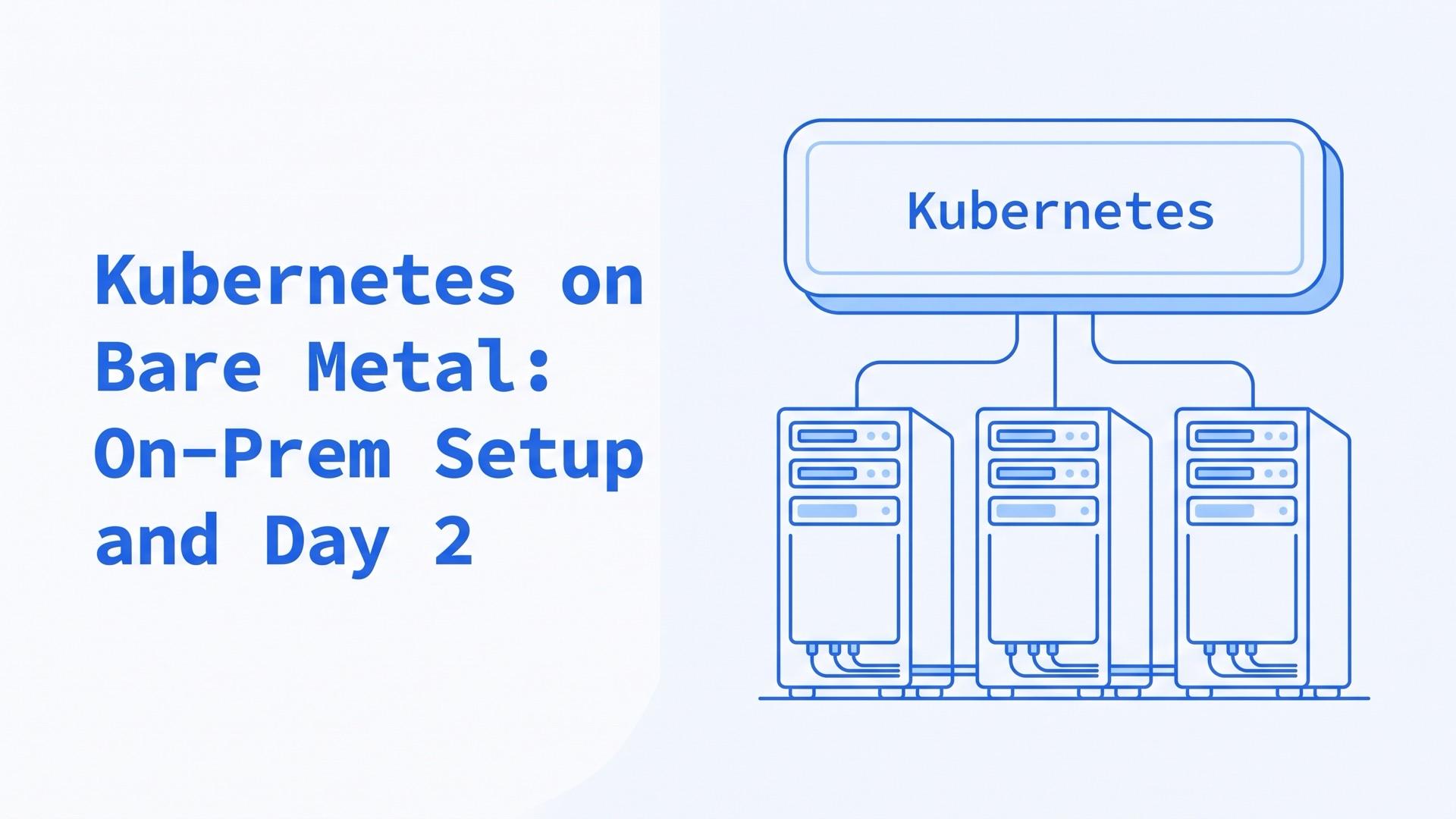
Kubernetes on Bare Metal: On-Prem Setup and Day 2
How to run Kubernetes on bare metal and on-premise in 2026: provisioning, distributions, HA, load balancing, storage, upgrades, costs and our on-prem work.
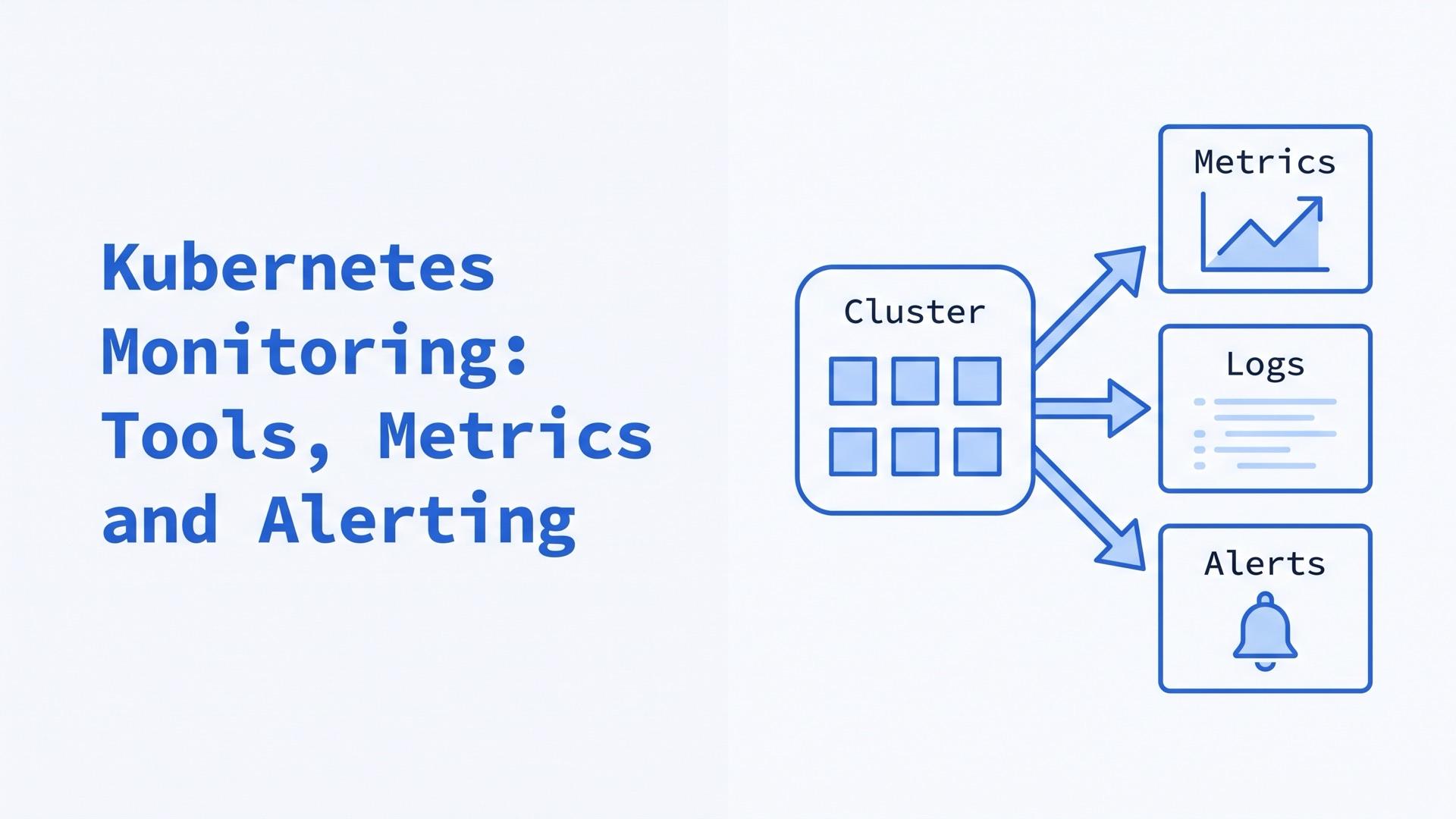
Kubernetes Monitoring: Tools, Metrics and Alerting
How to monitor Kubernetes in 2026: what to watch, where each metric comes from, monitoring and observability tools, alerts, costs, and the stack we run.
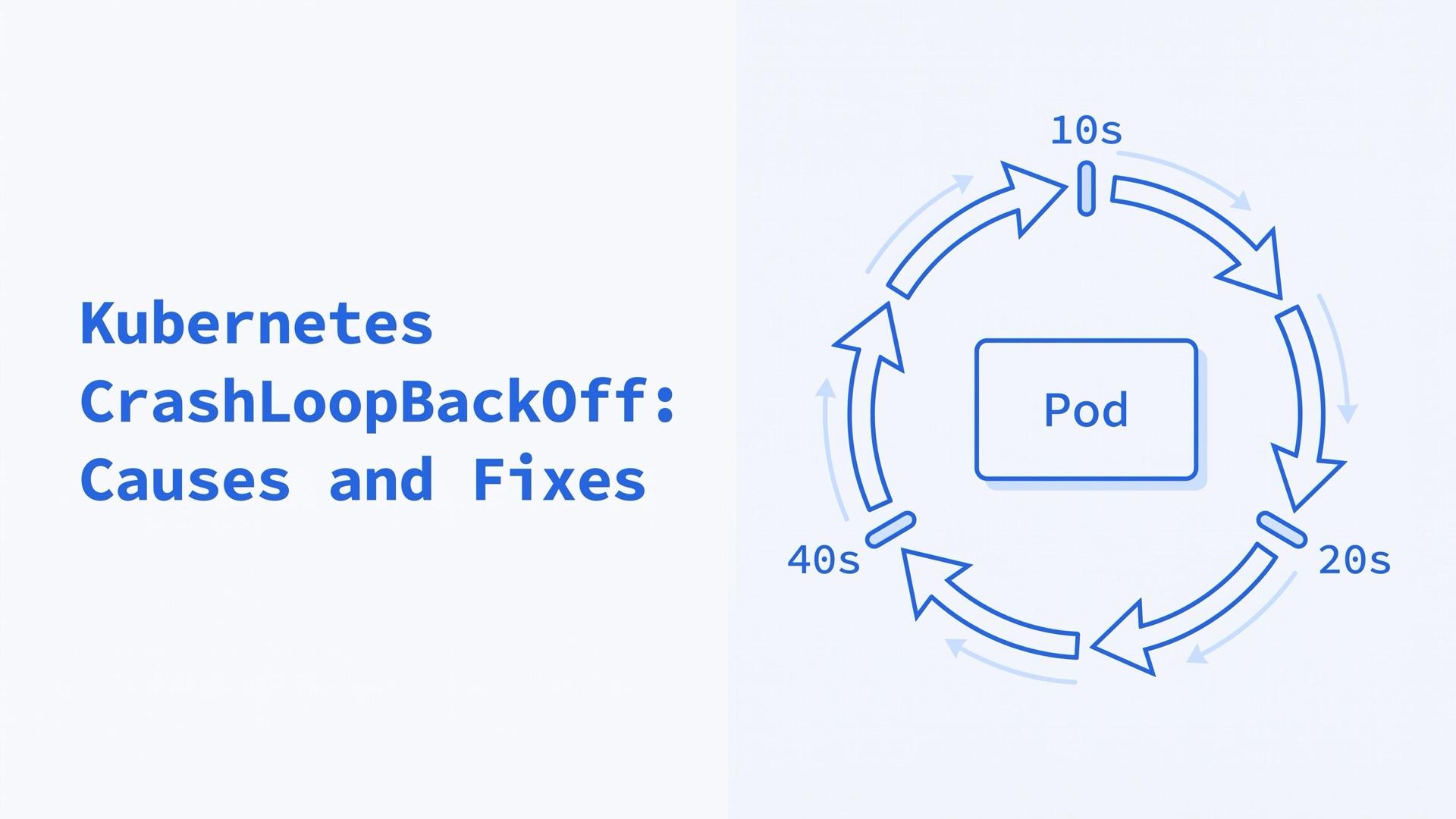
Kubernetes CrashLoopBackOff: Causes and Fixes
What CrashLoopBackOff and "Back-off restarting failed container" mean in Kubernetes 1.37, how long the backoff lasts, and how to debug and fix the cause.
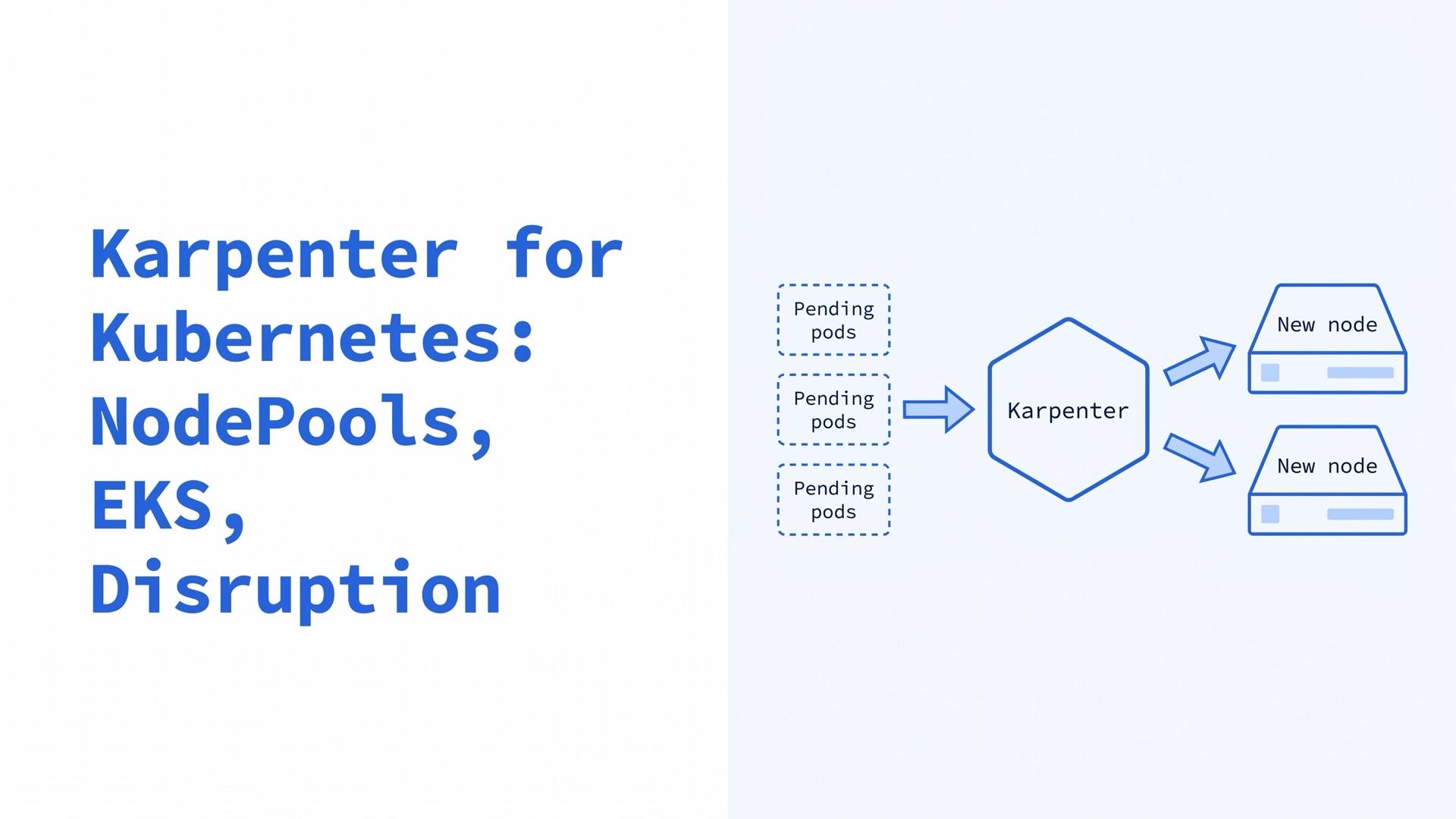
Karpenter for Kubernetes: NodePools, EKS, Disruption
How Karpenter scales Kubernetes nodes in 2026: NodePool and EC2NodeClass YAML, EKS install, Auto Mode, disruption, Cluster Autoscaler migration and fixes.
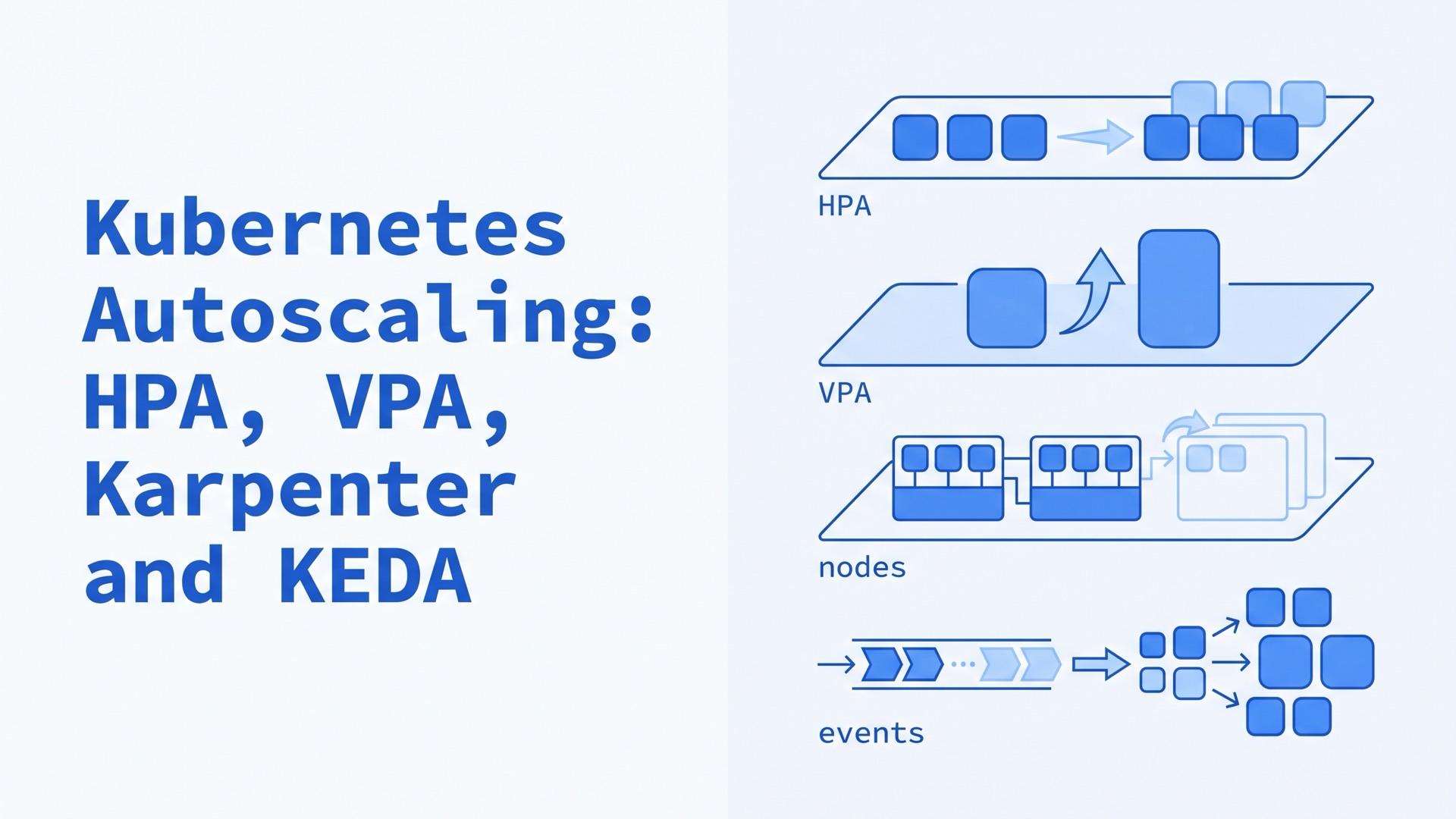
Kubernetes Autoscaling: HPA, VPA, Karpenter and KEDA
How Kubernetes autoscaling works in 2026: HPA and scale to zero, VPA in-place resize, Cluster Autoscaler, Karpenter, KEDA, YAML examples and fixes.
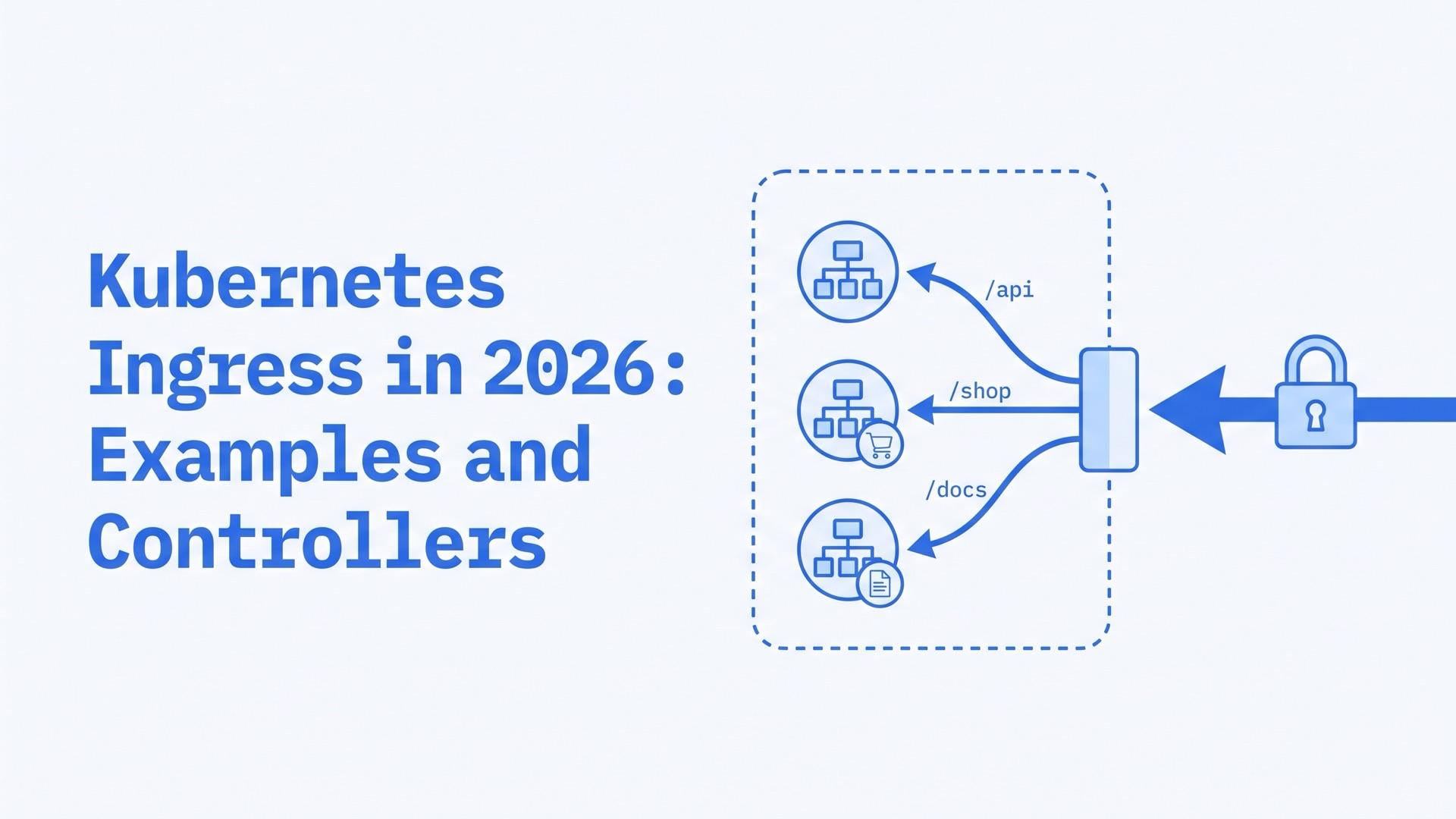
Kubernetes Ingress in 2026: Examples and Controllers
What Kubernetes Ingress is and how it works, with a YAML example, kubectl commands, controllers after ingress-nginx, Gateway API and 404 and 503 fixes.
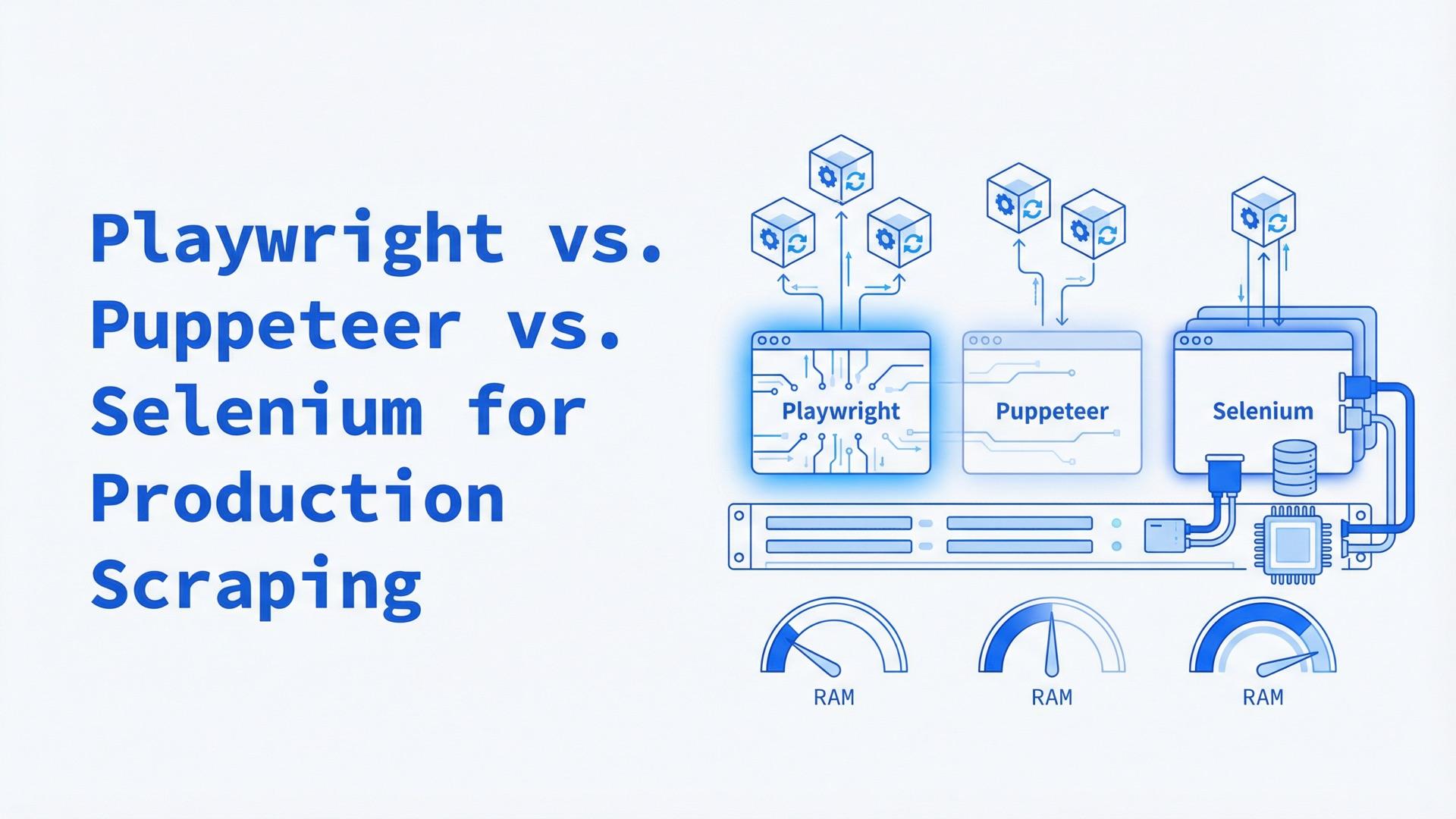
Playwright vs Selenium vs Puppeteer: Scraping at Scale
Playwright vs. Selenium vs. Puppeteer for production scraping: per-instance overhead, languages, stealth forks, Kubernetes, and which to pick.
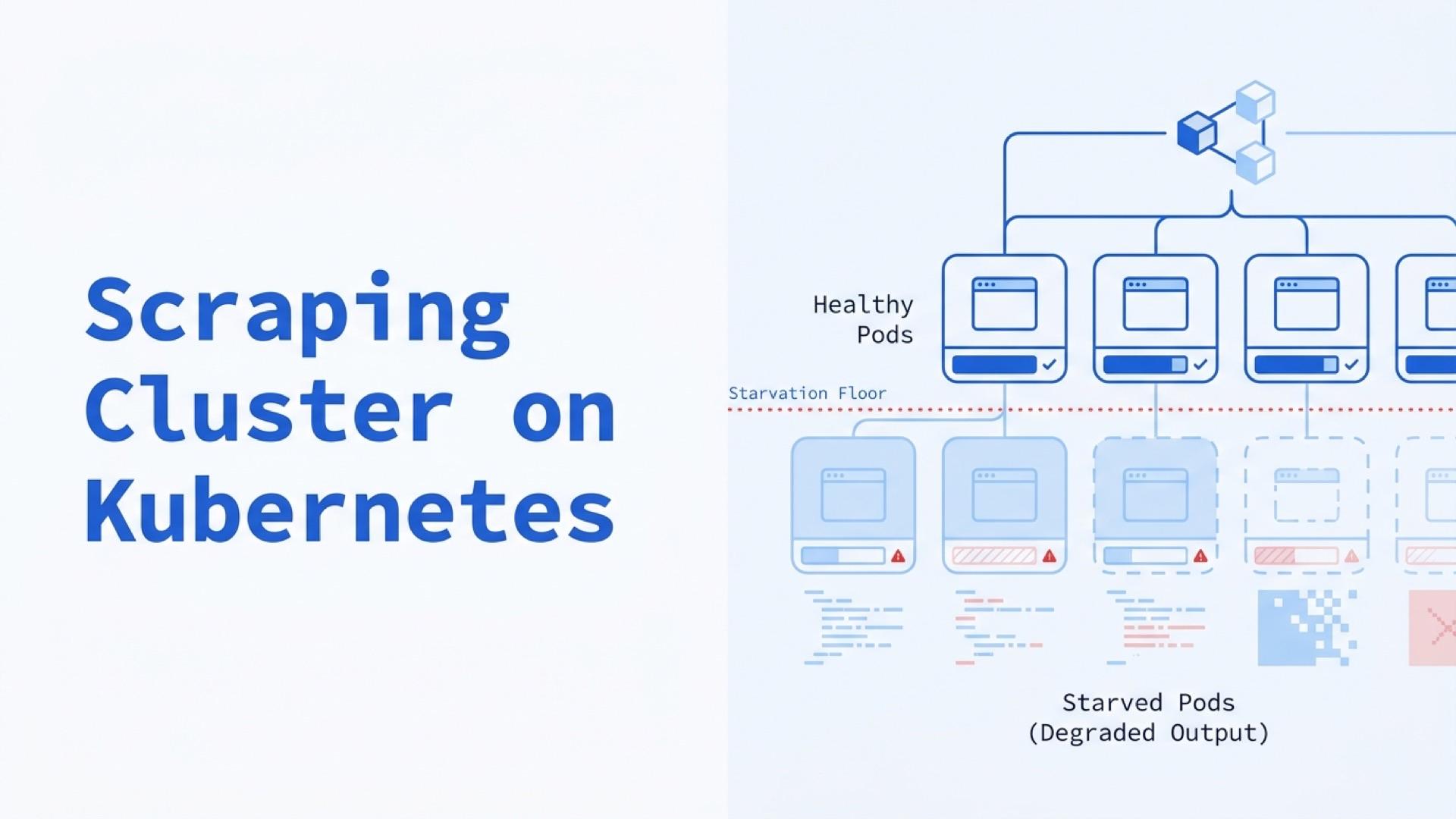
Building a Scraping Cluster on Kubernetes: Resource Management and Cost
Starved Chromium doesn't crash — it produces garbage. A production guide to sizing, scaling, and costing Playwright and Puppeteer clusters on Kubernetes for 500K–5M pages a day.
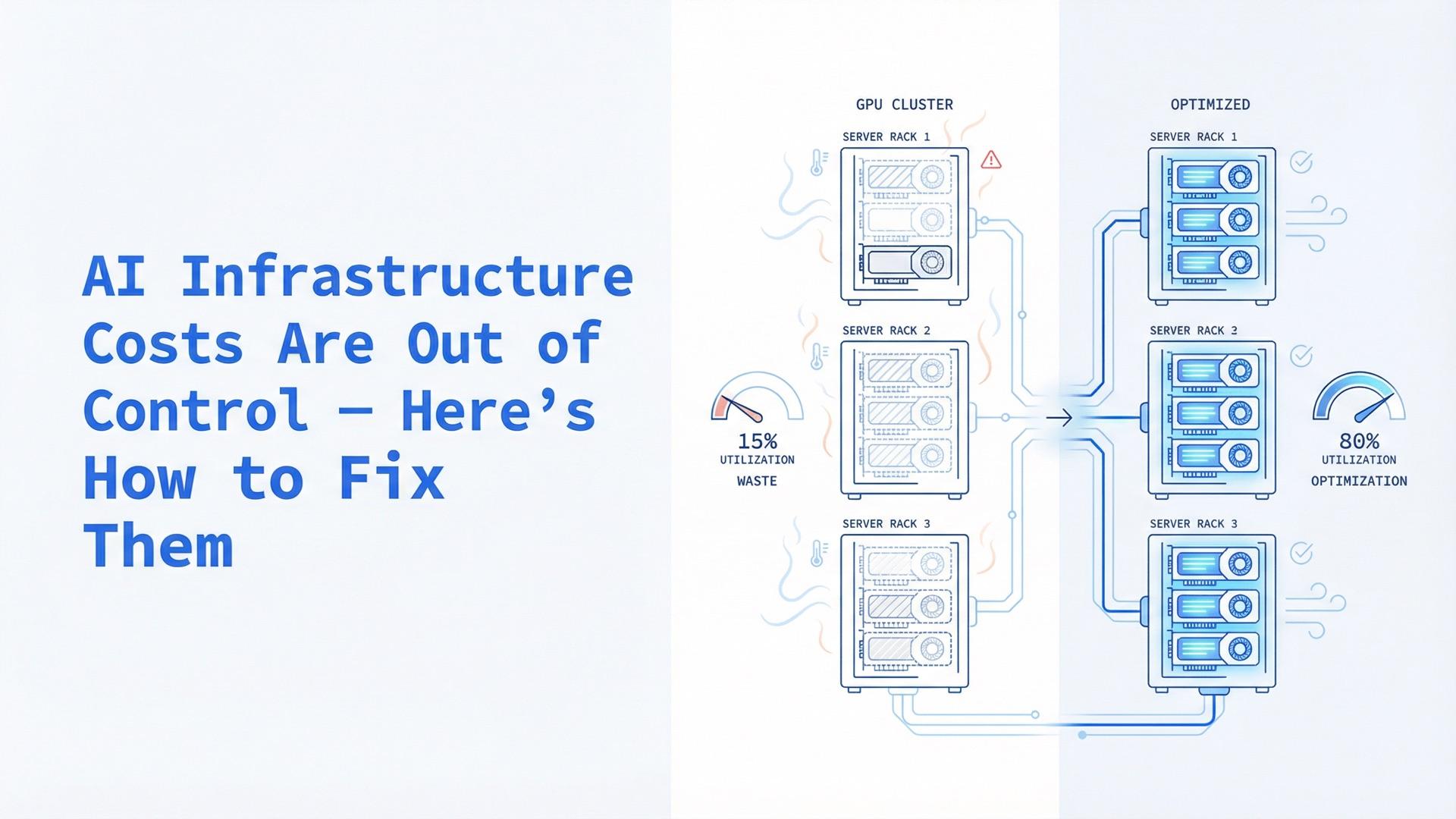
AI Infrastructure Costs Are Out of Control — Here's How to Fix Them
Spending on AI infrastructure hardware hit $82B in Q2 2025, yet average GPU utilization in many organizations sits at 10-30%. A concrete optimization playbook covering GPU scheduling, inference serving, and the self-hosting decision.
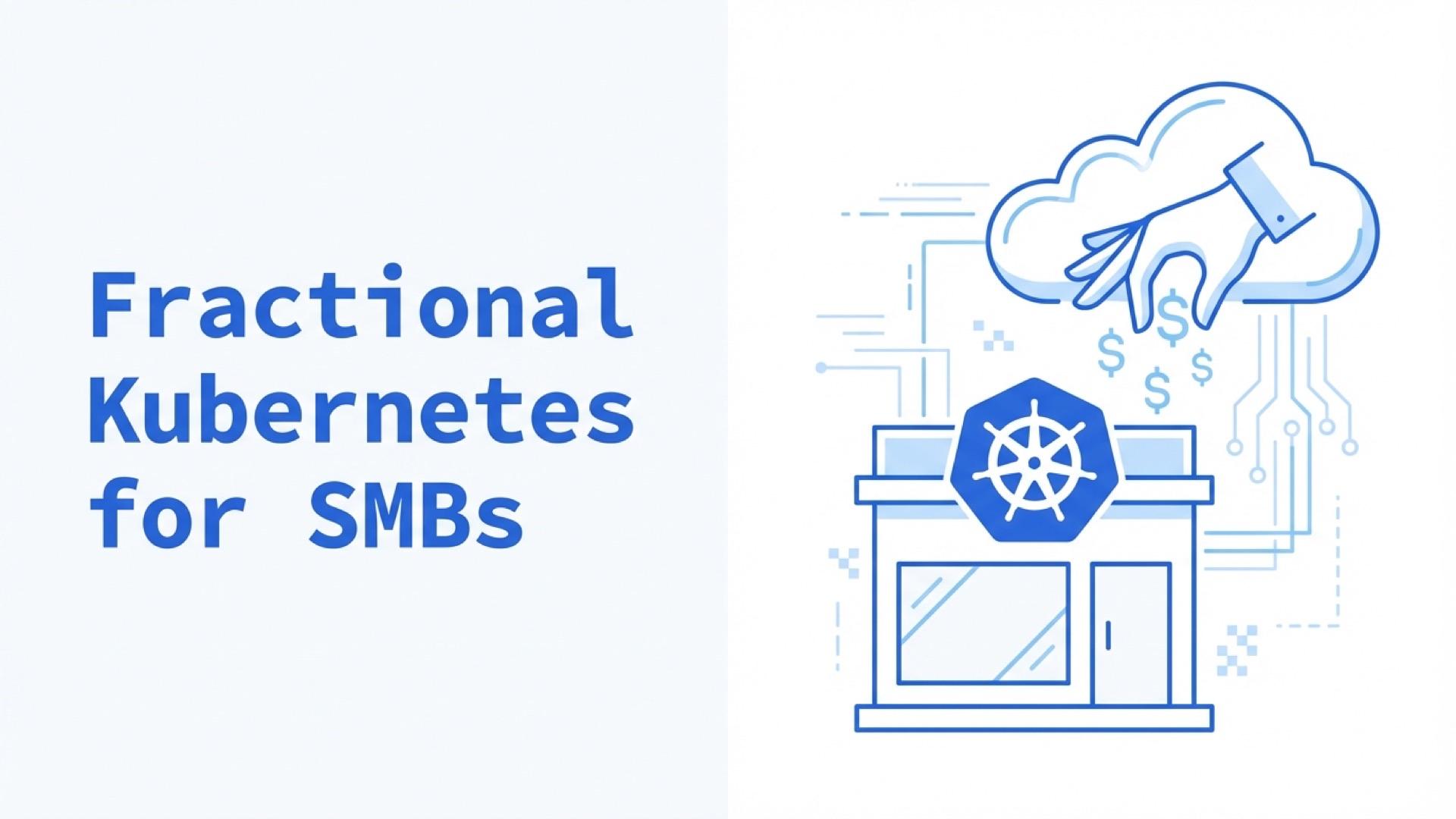
How to Leverage Fractional Kubernetes Support as an Affordable IT Solution for Small-Medium Businesses
Want to implement Kubernetes but need support without hiring full-time in-house experts?
How to Help Ensure 24/7 Uptime in Healthcare with Fractional Kubernetes Incident Response
In the high-stakes environment of healthcare, system downtime is not just inconvenient — it can be life-threatening.
Future-Proofing Your IT Infrastructure with Fractional Kubernetes Services
IT is rapidly evolving, so staying ahead of the curve is not just a competitive advantage it\'s a necessity.
Your Startup Needs to Scale: Is it Time for Kubernetes?
As your startup grows, the challenge of scaling operations efficiently grows with it.
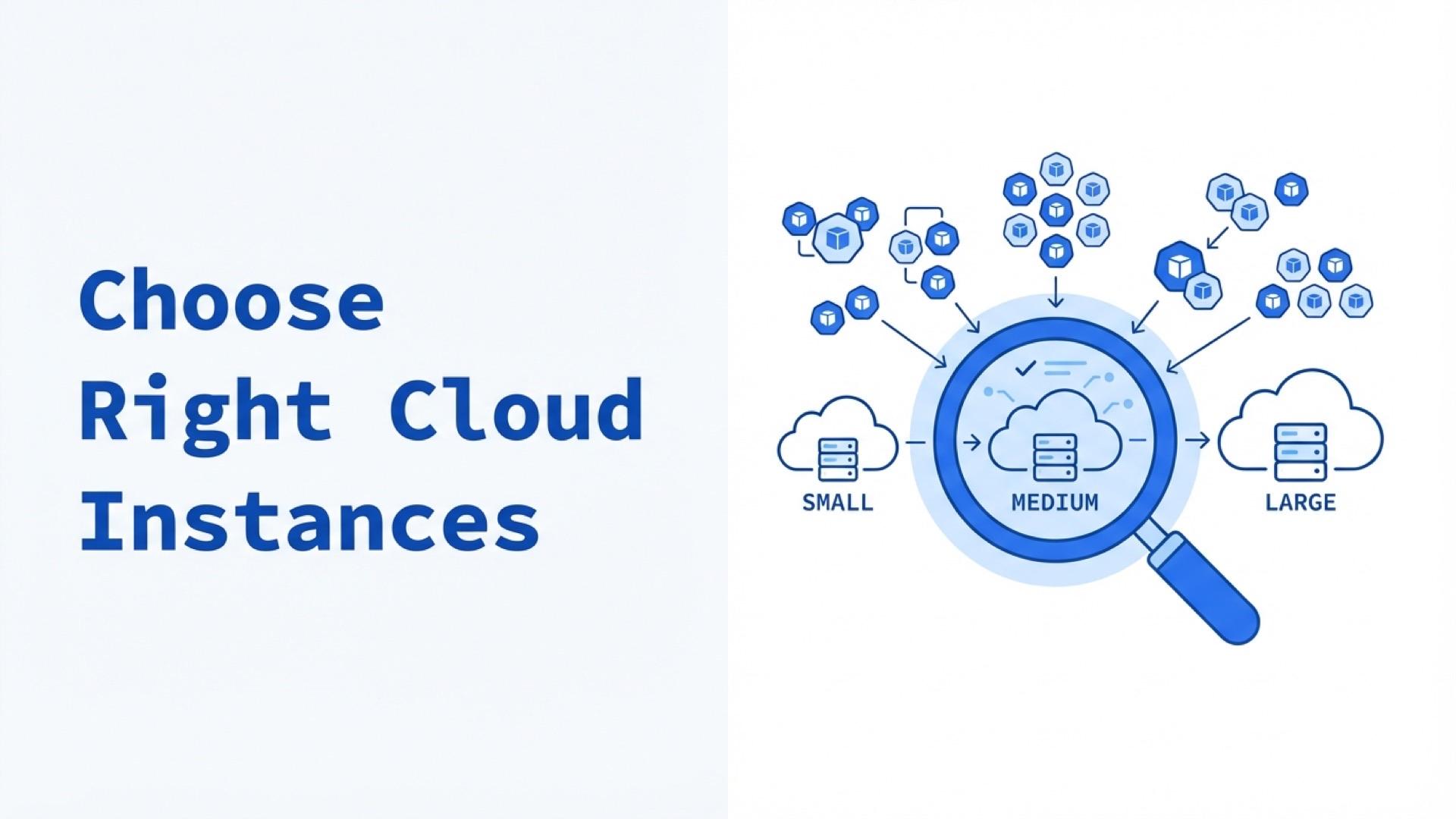
Choosing the Right Cloud Instances for Your Kubernetes Workloads
For more and more business leaders, using Kubernetes—an open-source platform for managing containerized applications— is a strategic opportunity to boost...
Want to save money with Kubernetes? Try Proactive Capacity Planning
If you're looking for more agility, scalability, and efficiency in your application deployment and management strategies, you're in good company.
Is It Time for Kubernetes in Your Startup?
As your startup grows and needs to scale, implementing Kubernetes might be a critical next step.
The Hidden Costs of Kubernetes Downtime (And How to Avoid Them)
Kubernetes is an indispensable tool, but it is not immune to downtime.
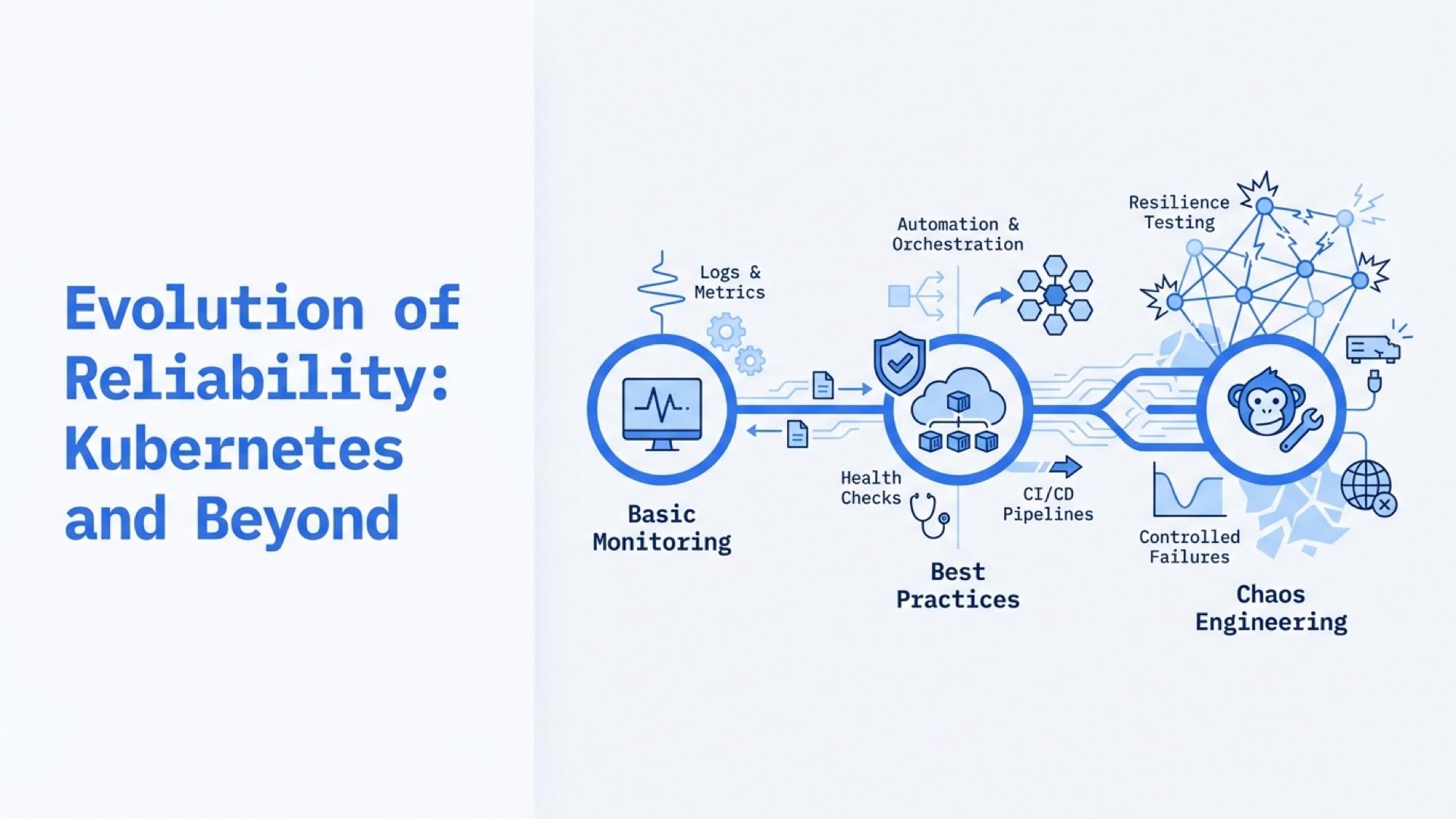
Evolution of Reliability: Kubernetes and Beyond
Kubernetes has undeniably become the de facto standard for container orchestration.
DDoS attack on k8s hosted application
DDoS Attack Detection And Mitigation Using Calico & Falco In K8s Environment
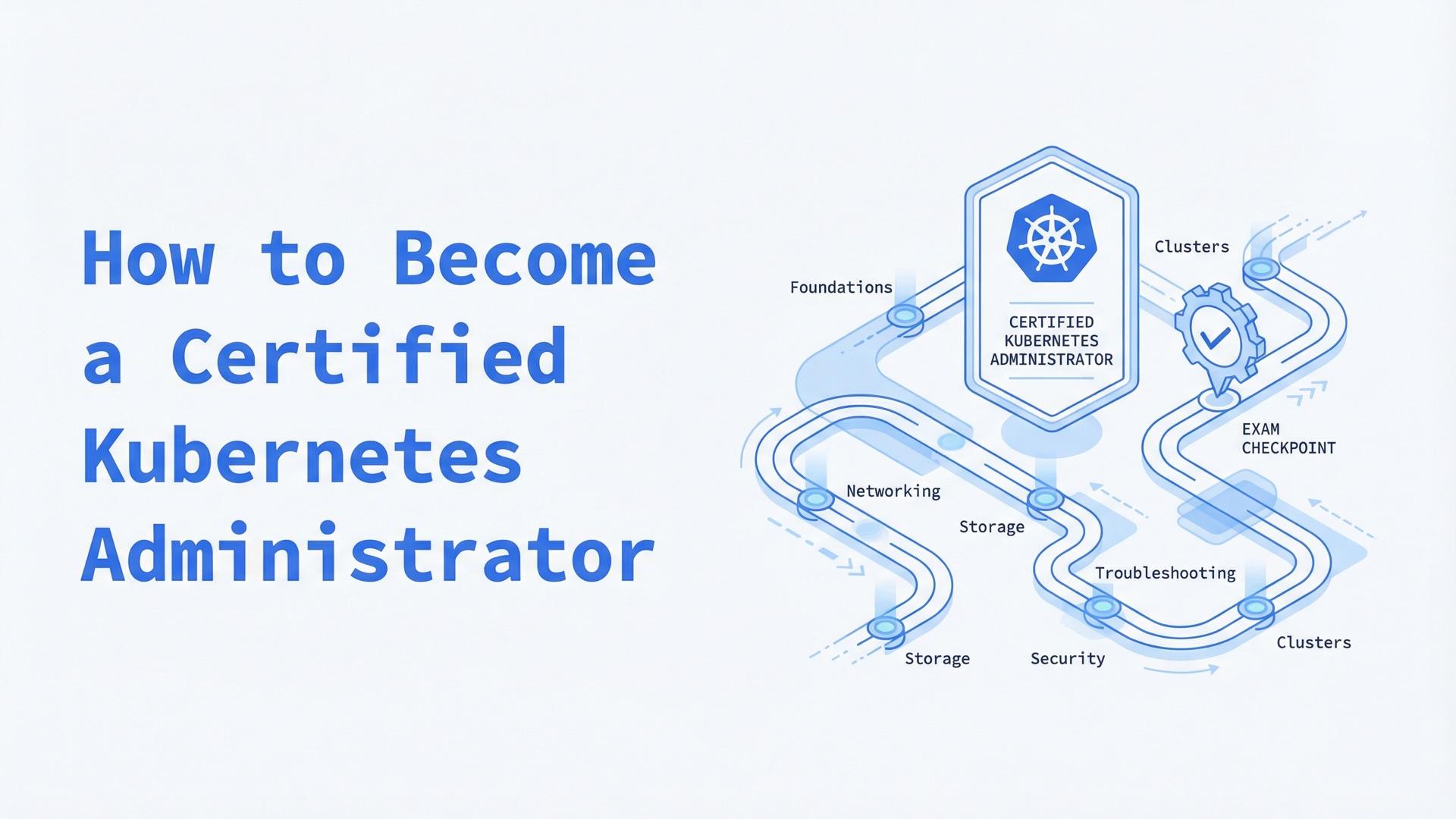
How to become a Certified Kubernetes Administrator
Kubernetes has been a major trend in the world for the past 5 years.
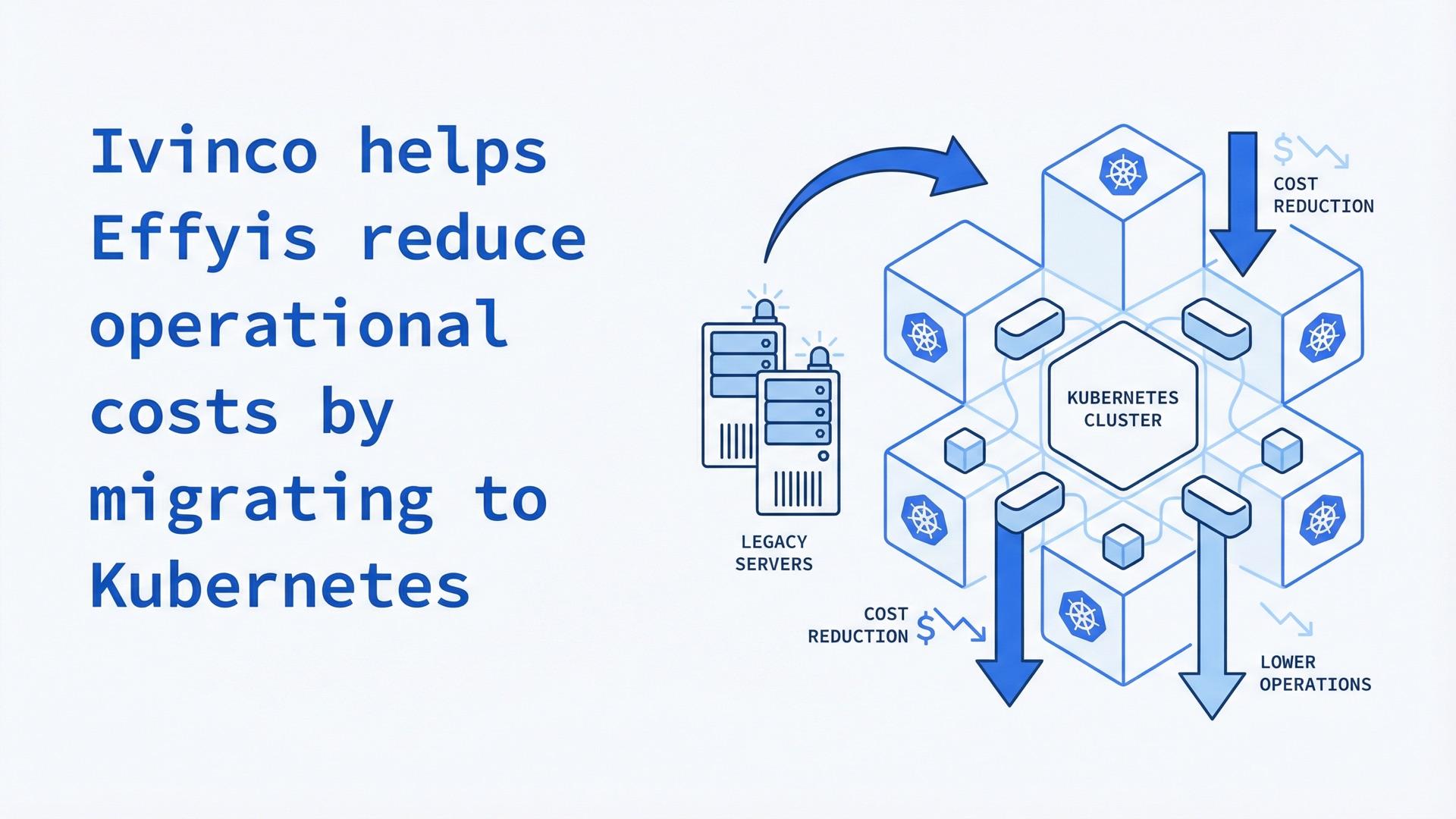
Ivinco helps Effyis reduce operational costs by migrating its Big Data infrastructure to the on-prem Kubernetes cluster
Effyis is a company that provides paid access to big data collected from social media through its SocialGist project.
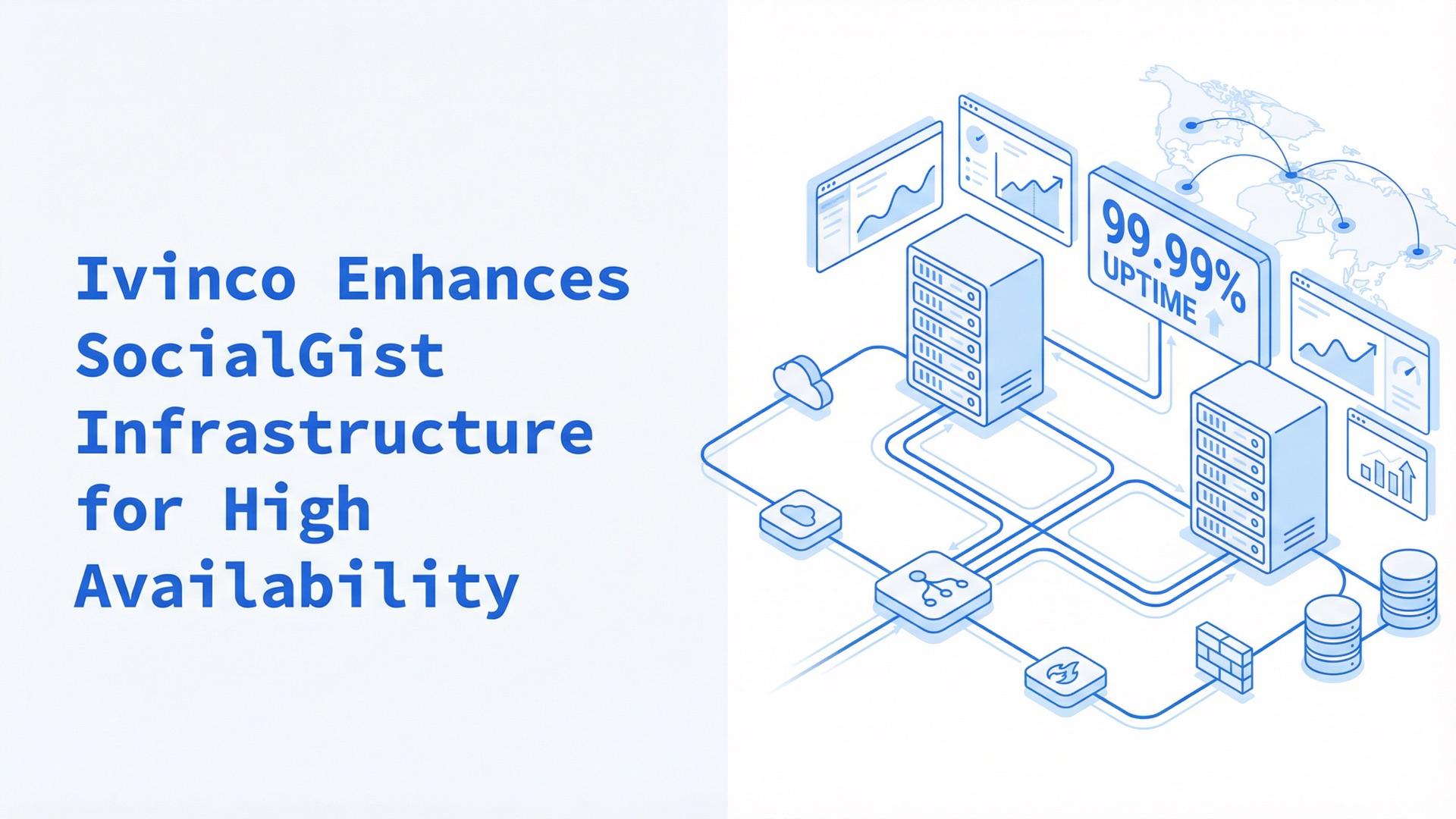
Ivinco Enhances SocialGist Infrastructure for High Availability and Improved Performance
Socialgist is a data service provider that specializes in collecting, processing, and delivering social media data and other user-generated content from...
How to Calculate Financial Outcome of Migrating Infrastructure to Kubernetes
Kubernetes is a powerful system for managing containerized applications in a clustered environment.
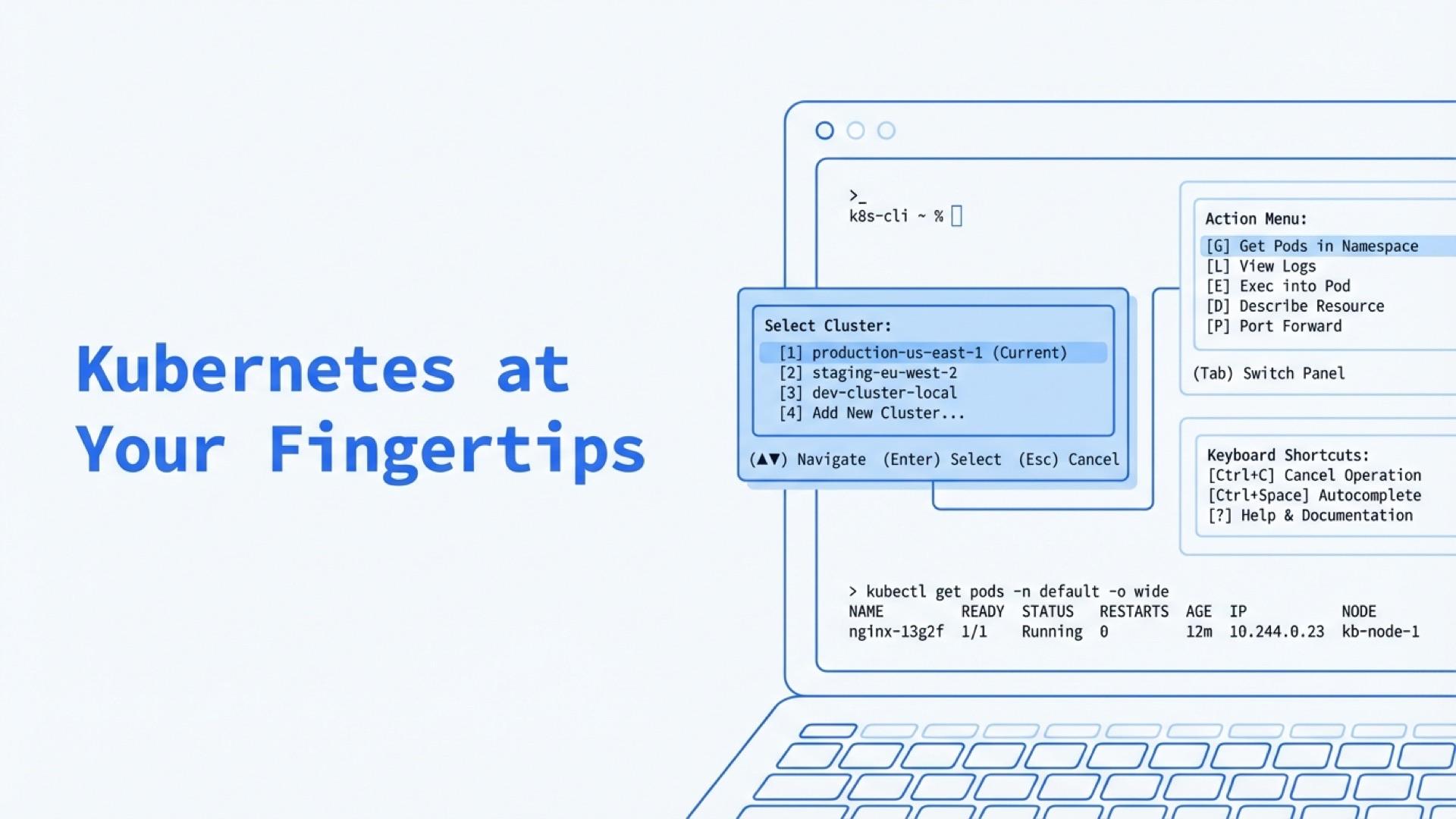
Kubernetes at Your Fingertips
Kubernetes, a powerful container orchestration platform, has become the go-to choice for managing and scaling applications.
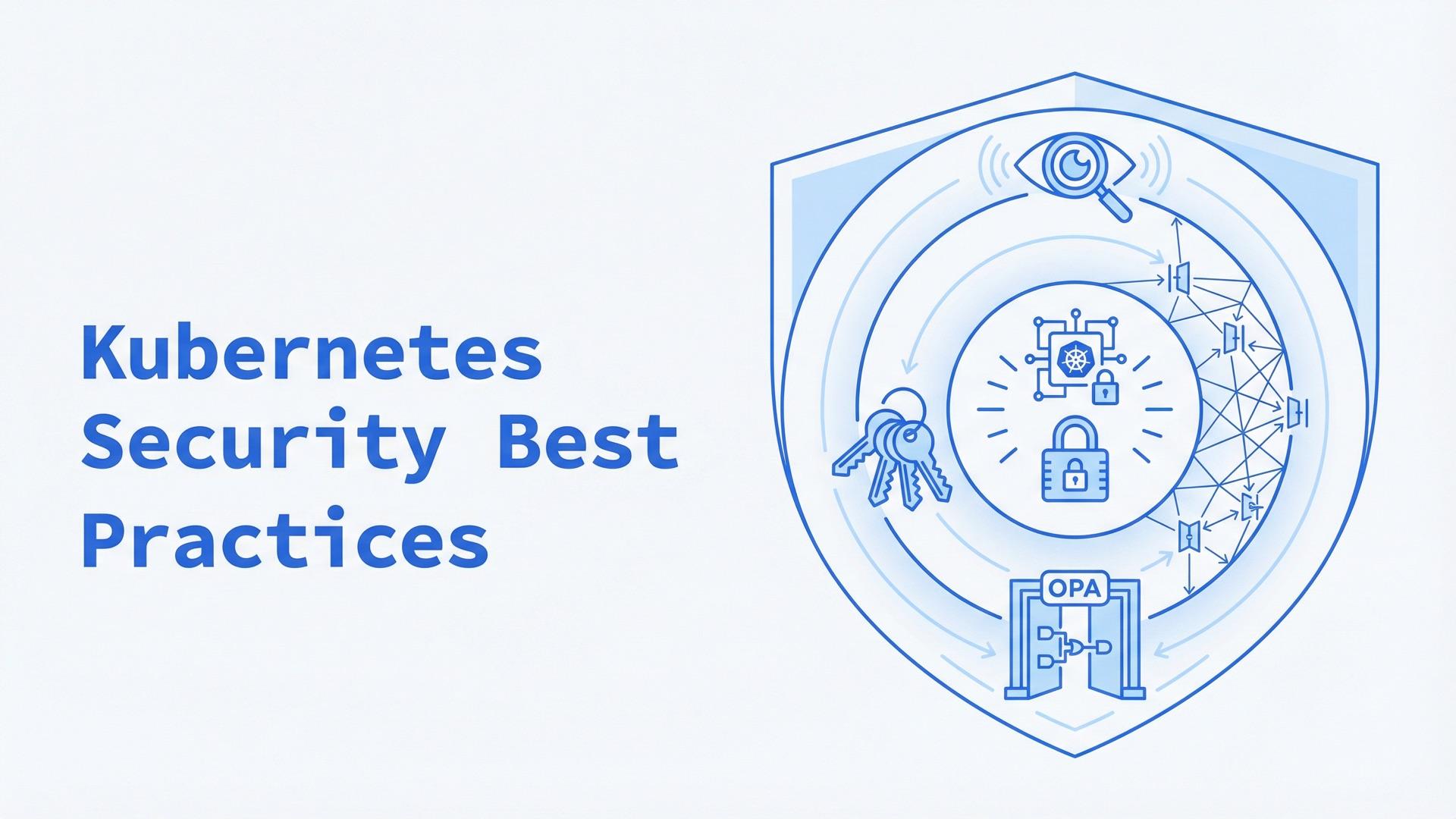
Kubernetes Runtime Security: Seccomp, AppArmor and Falco
Set up Kubernetes runtime security: seccomp and AppArmor profiles, Falco and Tetragon for threat detection, and policy enforcement that blocks risky pods.
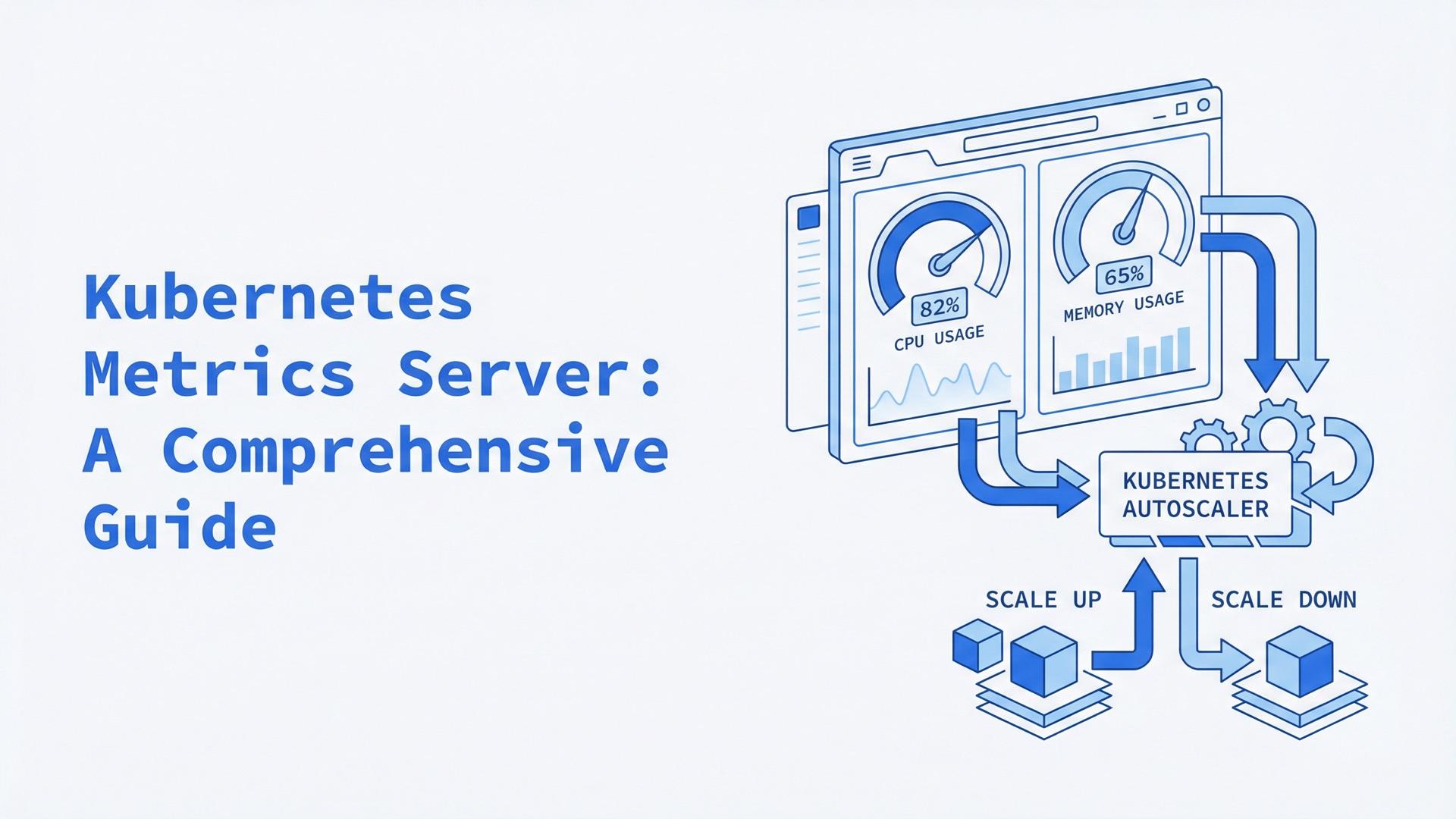
Kubernetes Metrics Server: A comprehensive guide
The advancement in computing has allowed for the growth and development of numerous technologies that enable businesses to improve their efficiency and...
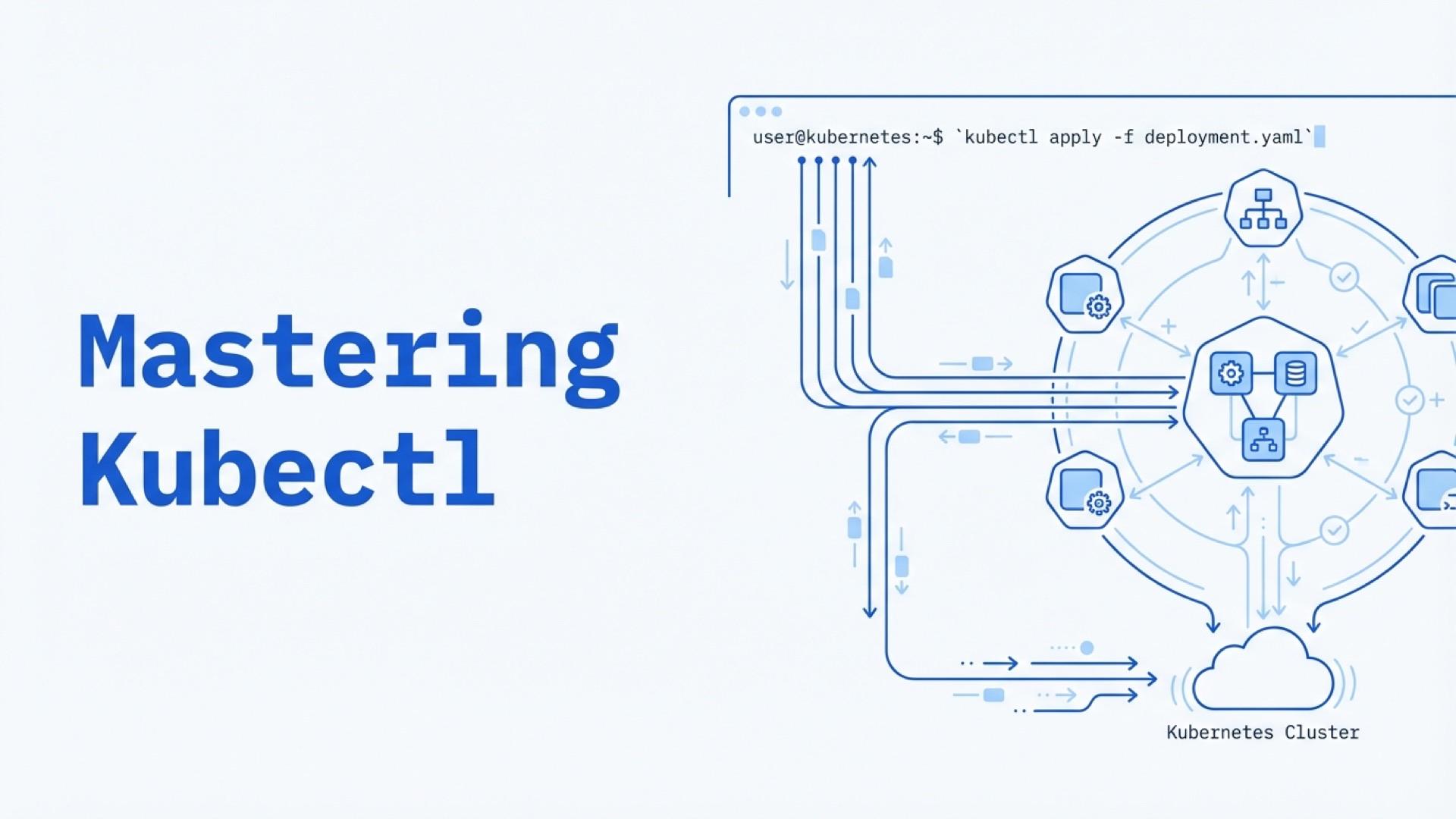
Mastering Kubectl: A Comprehensive Guide to Command Line Kubernetes Management
Kubernetes, often abbreviated as K8s, is a powerful open-source system for automating deployment, scaling, and management of containerized applications.
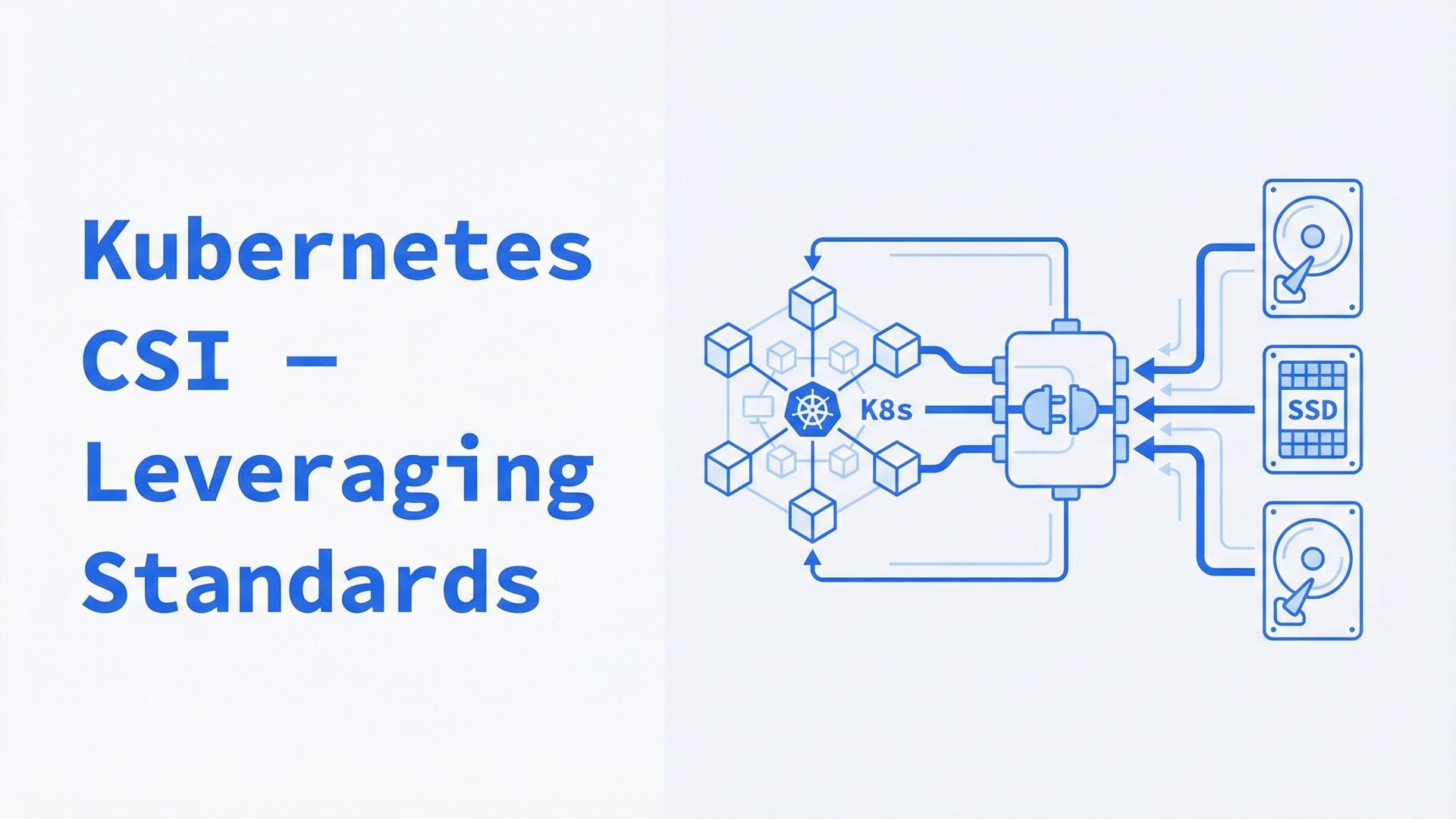
Kubernetes CSI - Leveraging standards
Kubernetes has undeniably transformed how applications are built, deployed, and managed in distributed systems.
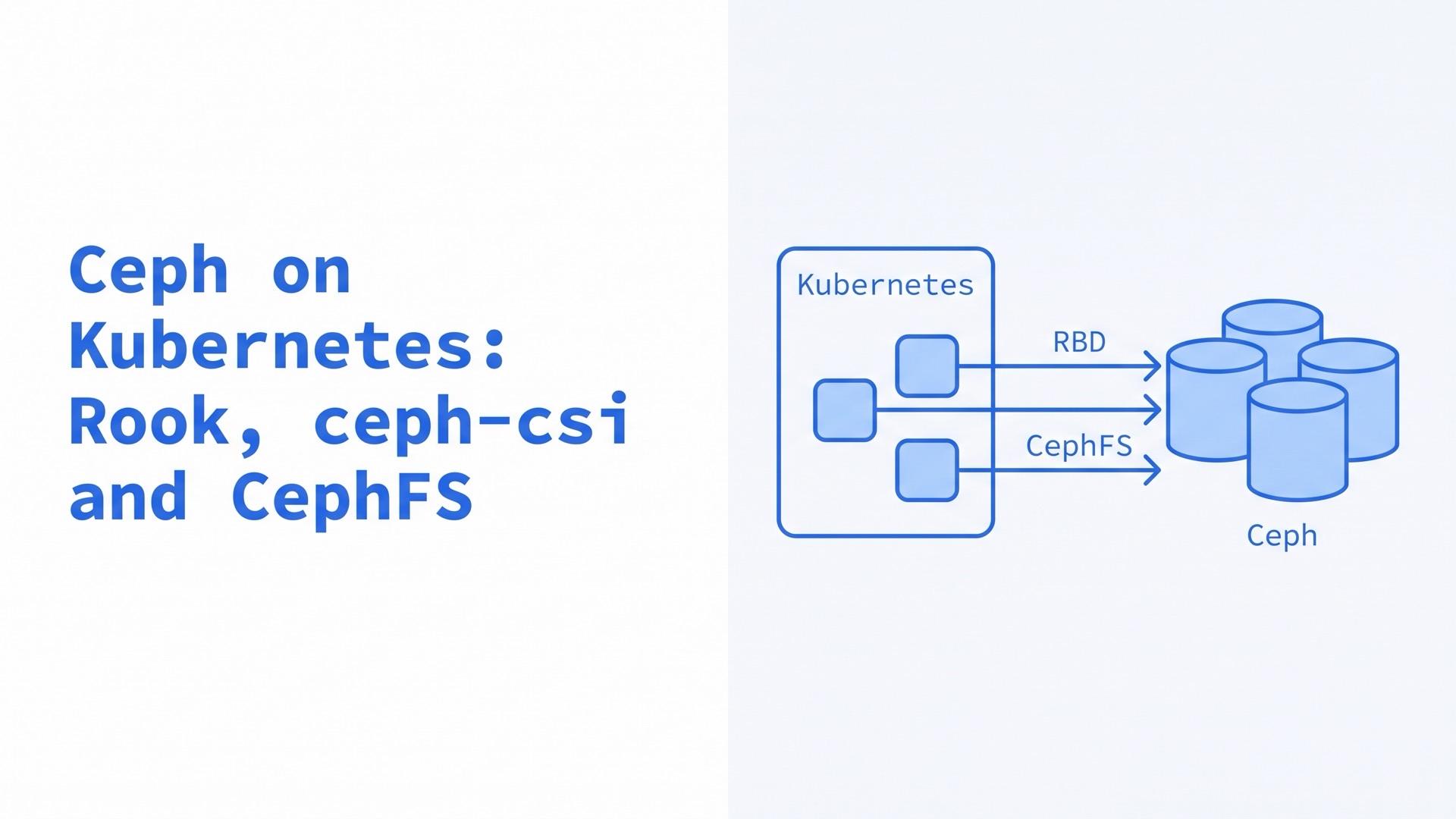
Ceph on Kubernetes: Rook, ceph-csi and CephFS
How to deploy Ceph for Kubernetes storage in 2026: Rook or an external cluster, ceph-csi, RBD and CephFS StorageClasses, hardware, upgrades and failures.
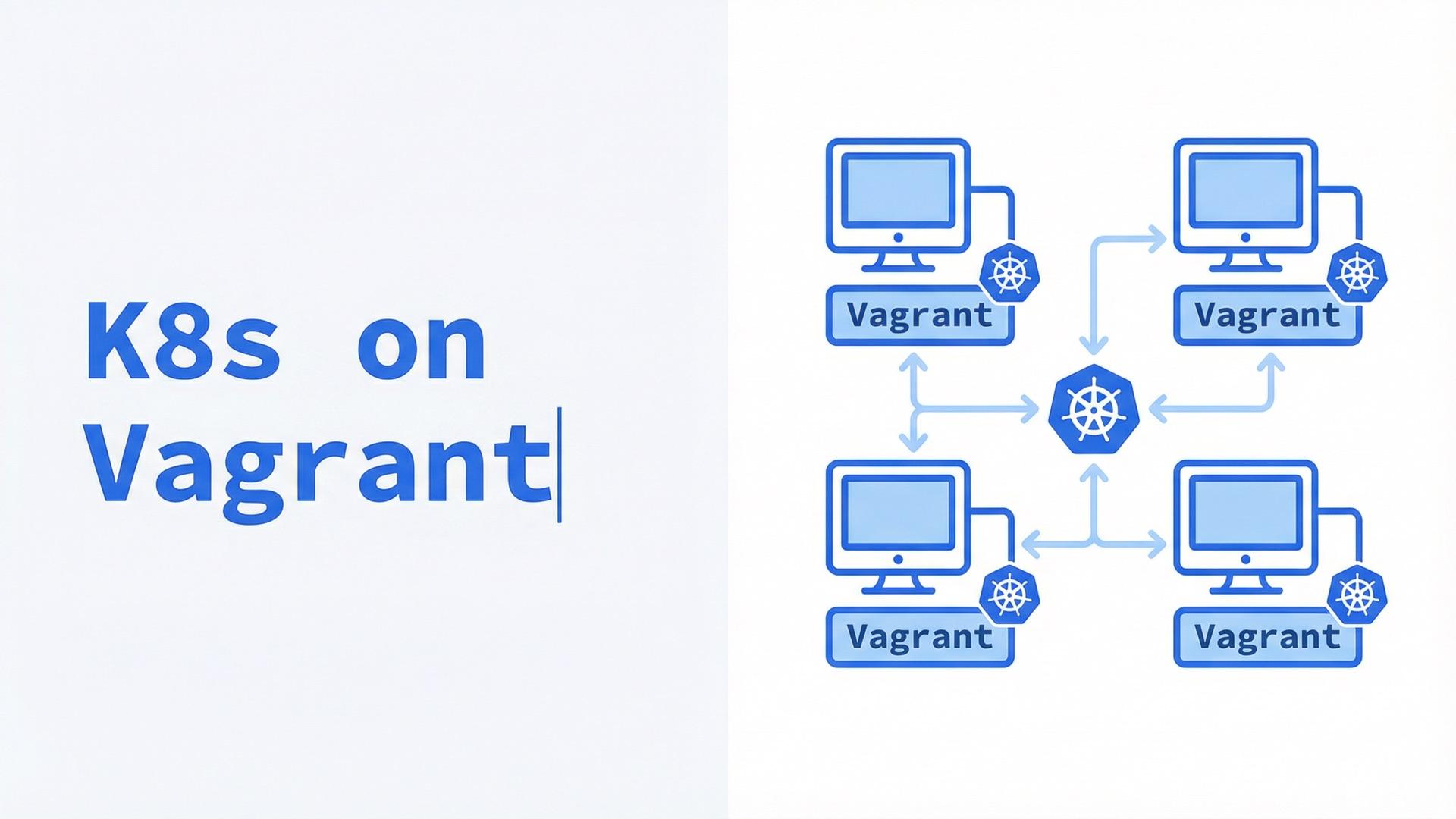
Installing a Simple Kubernetes Cluster Using Vagrant and VirtualBox
In this guide, we will walk you through the steps to create a simple [Kubernetes (K8S) cluster](https://www.ivinco.com/blog/kubernetes-101-understanding-the-...
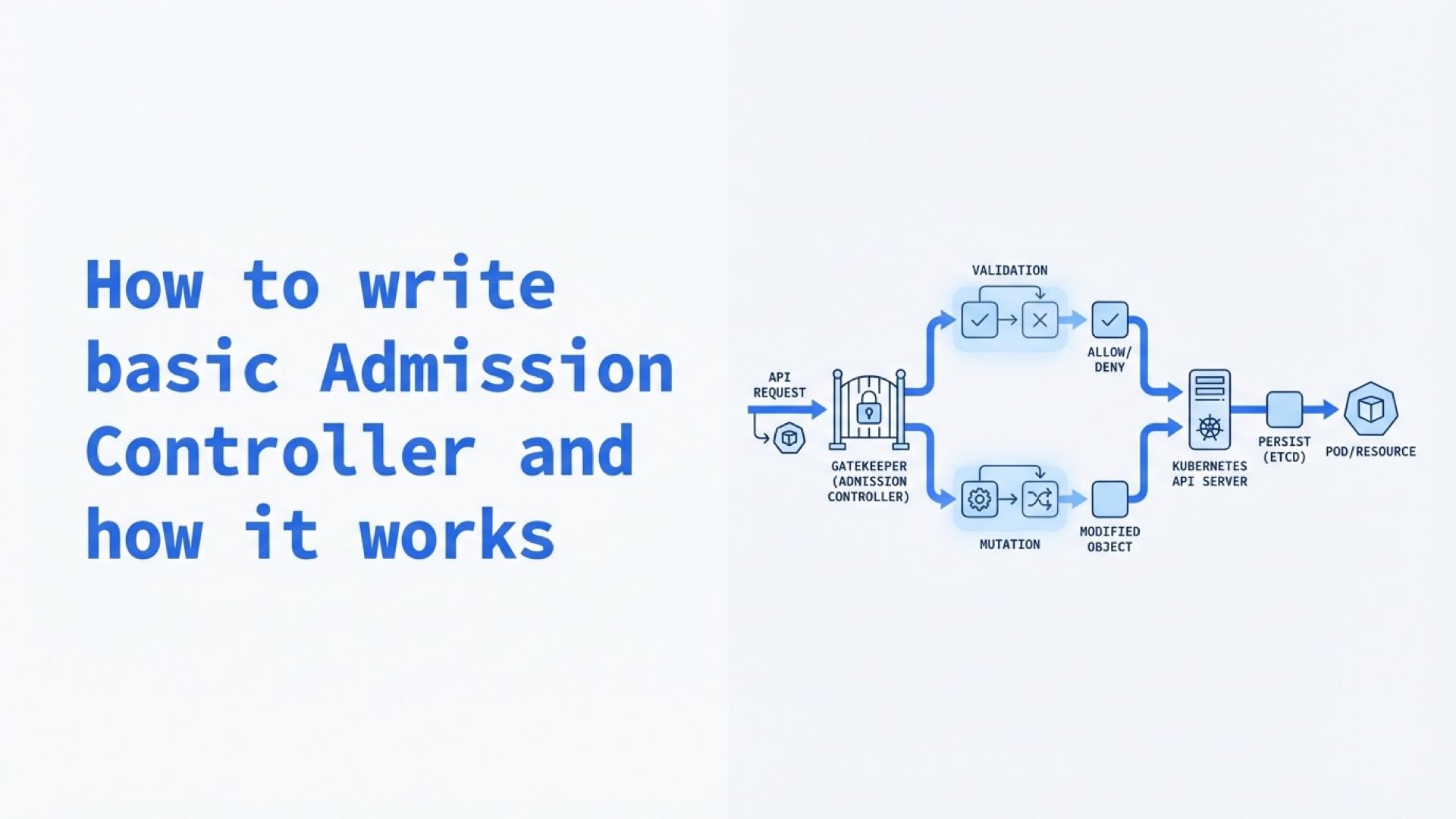
How to write basic Admission Controller and how it works
Kubernetes has become the de facto standard for container orchestration, providing a powerful platform for managing the deployment, scaling, and maintenance...
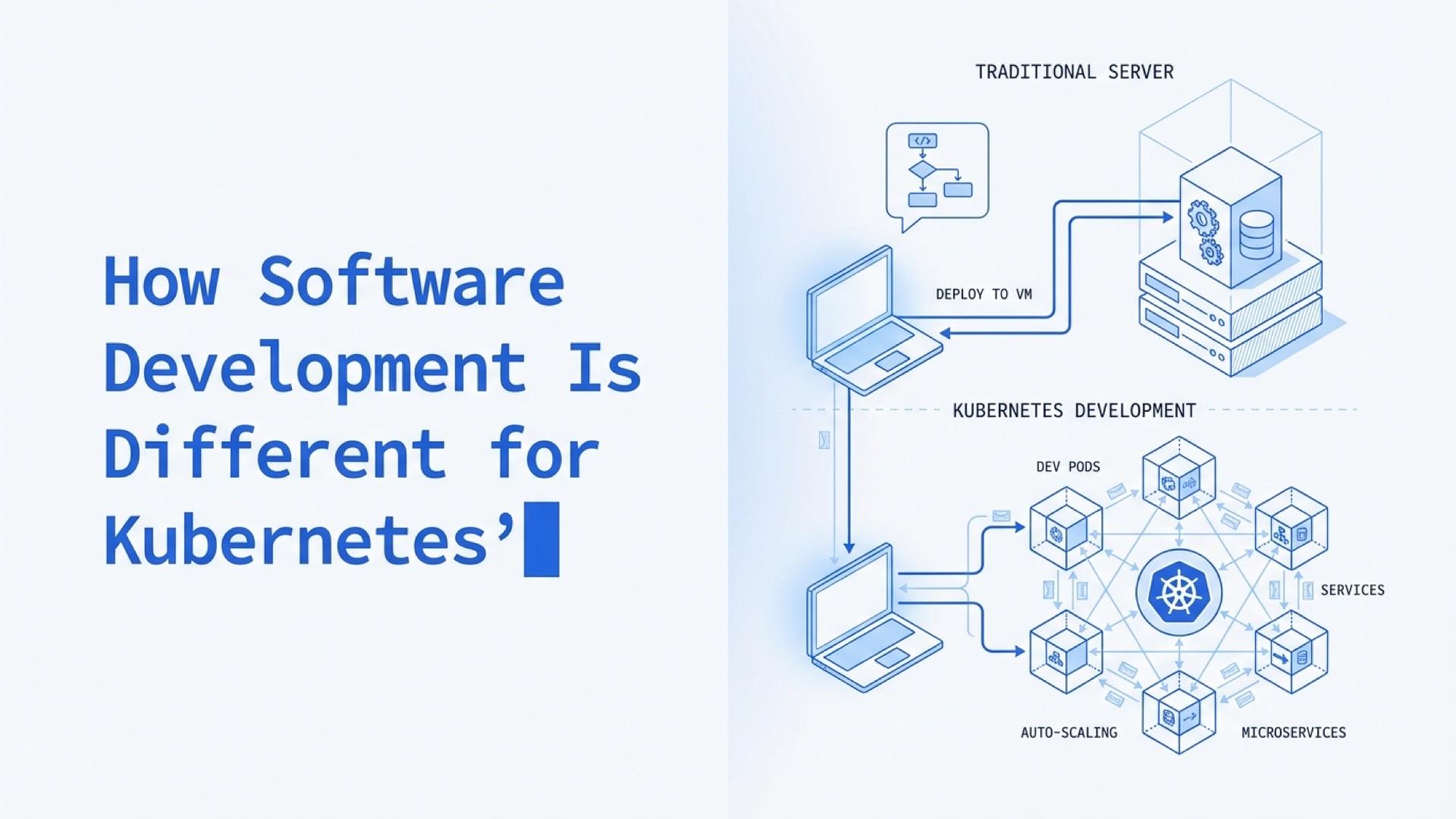
How software development is different when developing for Kubernetes
In recent years, Kubernetes (K8s) has emerged as a dominant platform for container orchestration.
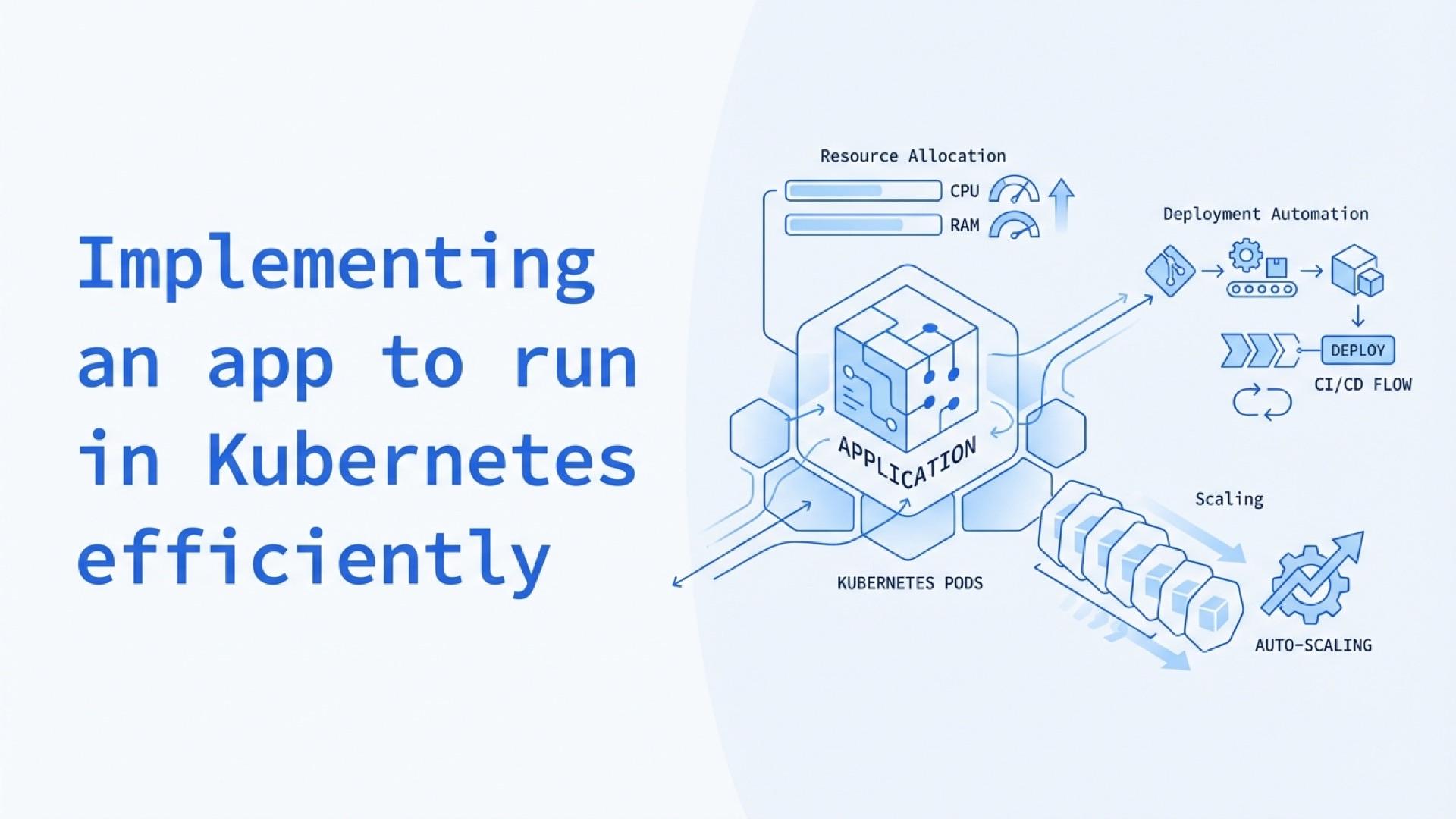
Implementing an app to run in Kubernetes efficiently
Kubernetes is a container-orchestration system for automating deployment, scaling and management of applications running on containers.
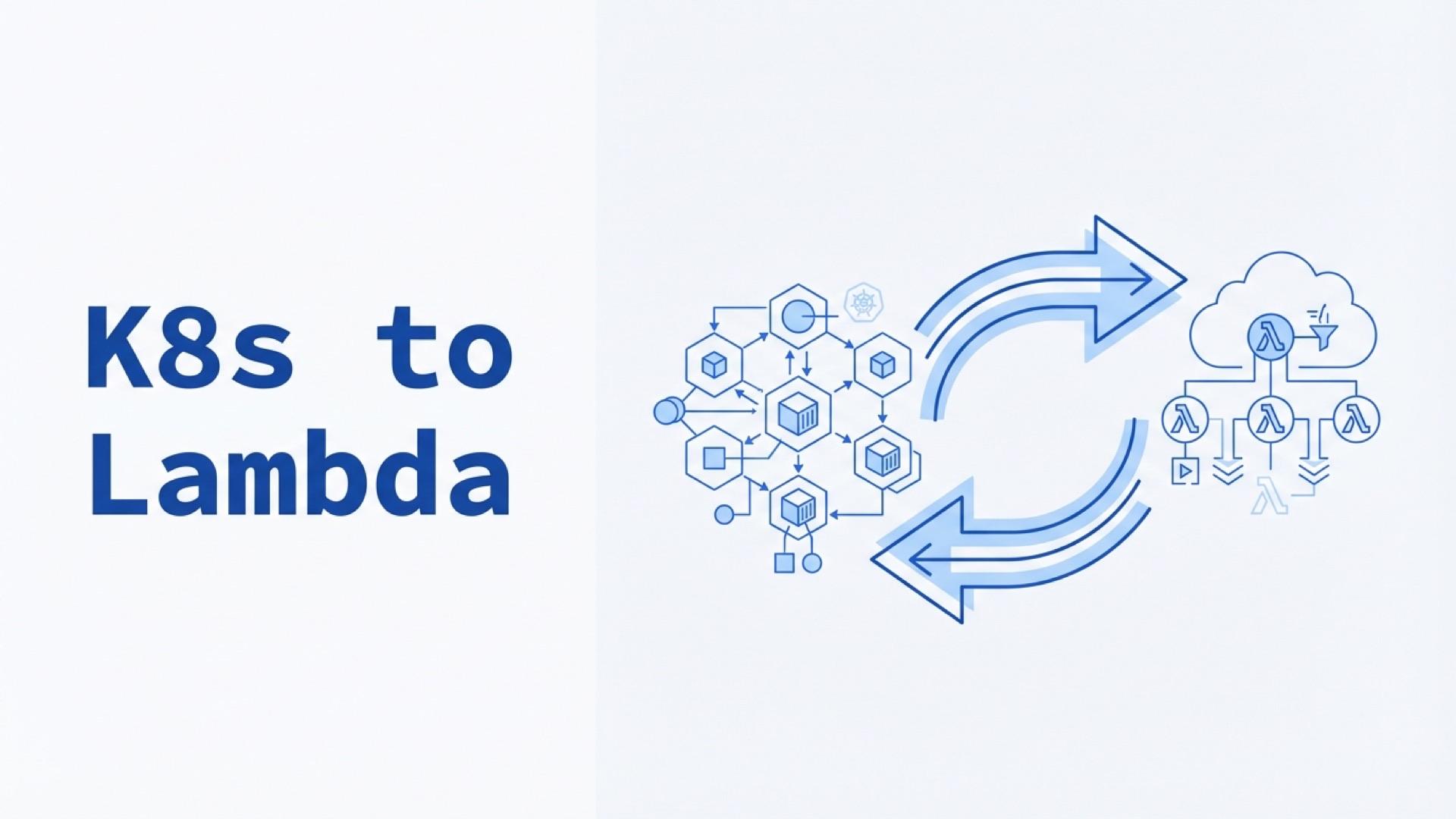
Migrating your Kubernetes app to AWS Lambda and the other way
Migrating from Kubernetes to AWS Lambda and the other way around can be a confusing, or even difficult task.
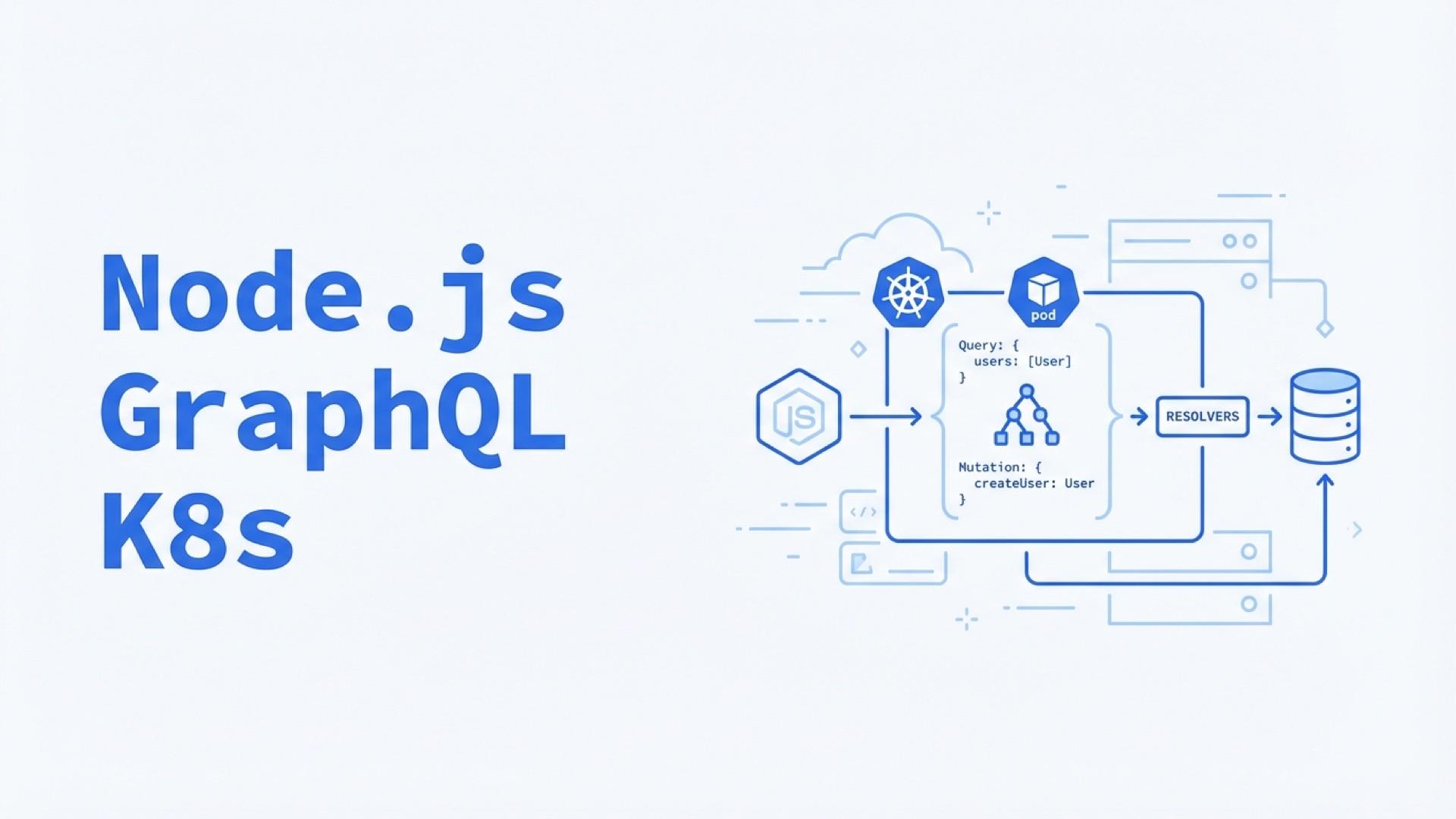
Migrate NodeJS GraphQL app to Kubernetes
GraphQL and NodeJS are two popular technologies used for writing and powering modern web applications.
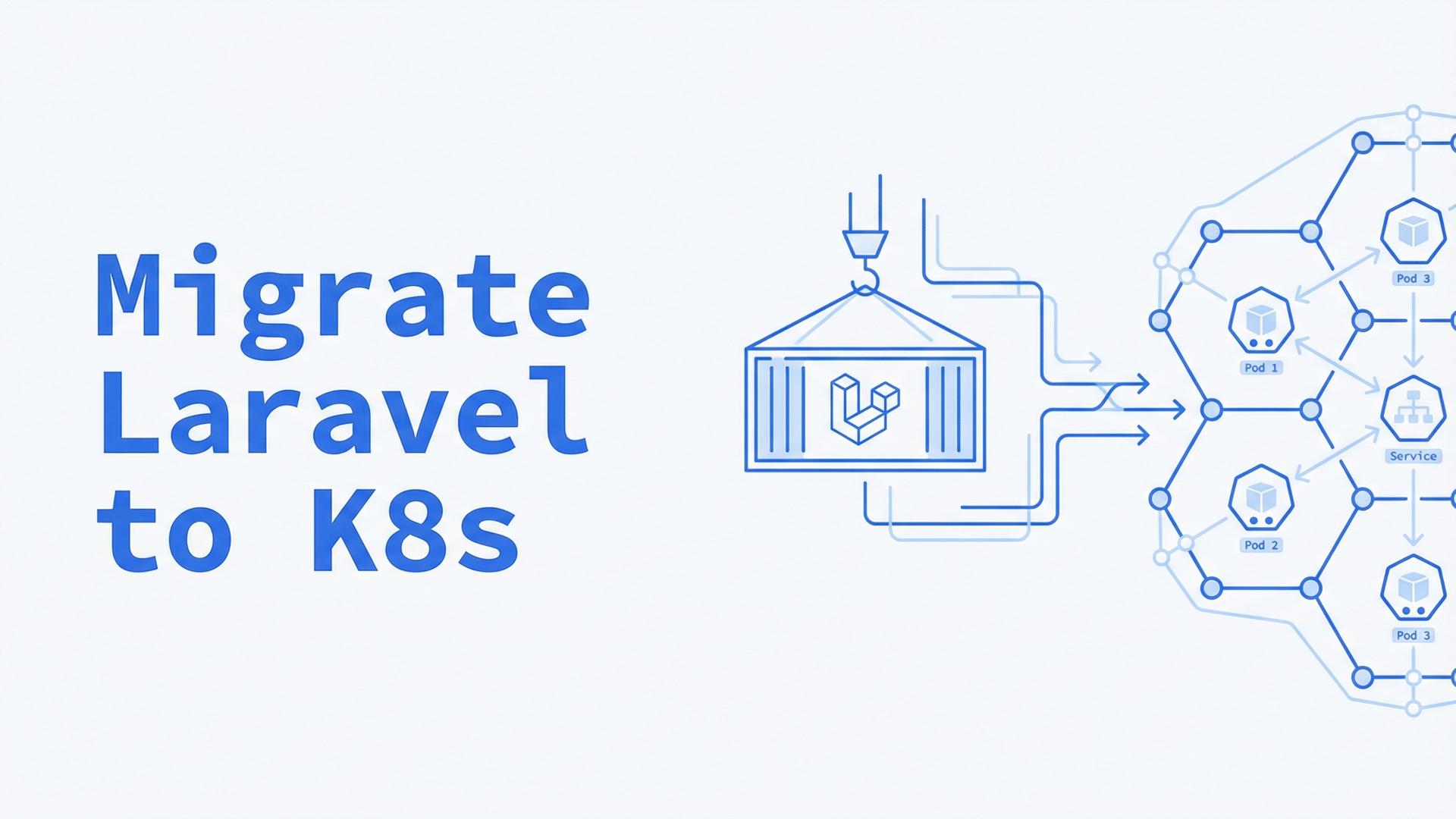
Migrate PHP (laravel) app to Kubernetes
Migrating a PHP (Laravel) application to Kubernetes offers numerous benefits such as scalability, high availability, and self-healing capabilities.
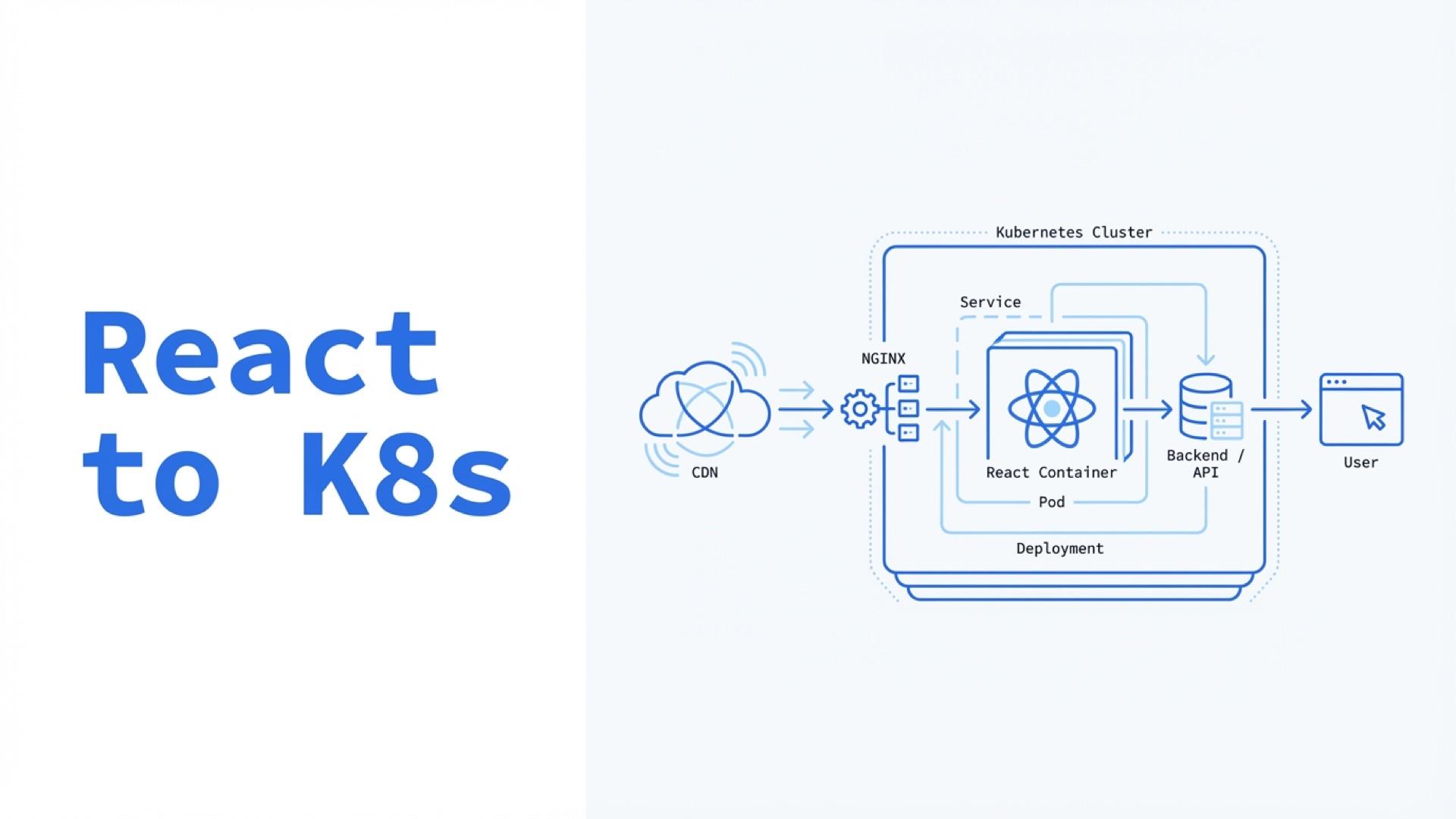
Migrate ReactJS app to Kubernetes
Migrating a ReactJS application to a Kubernetes cluster is a relatively straightforward process, but there are a few challenges that can arise during the...
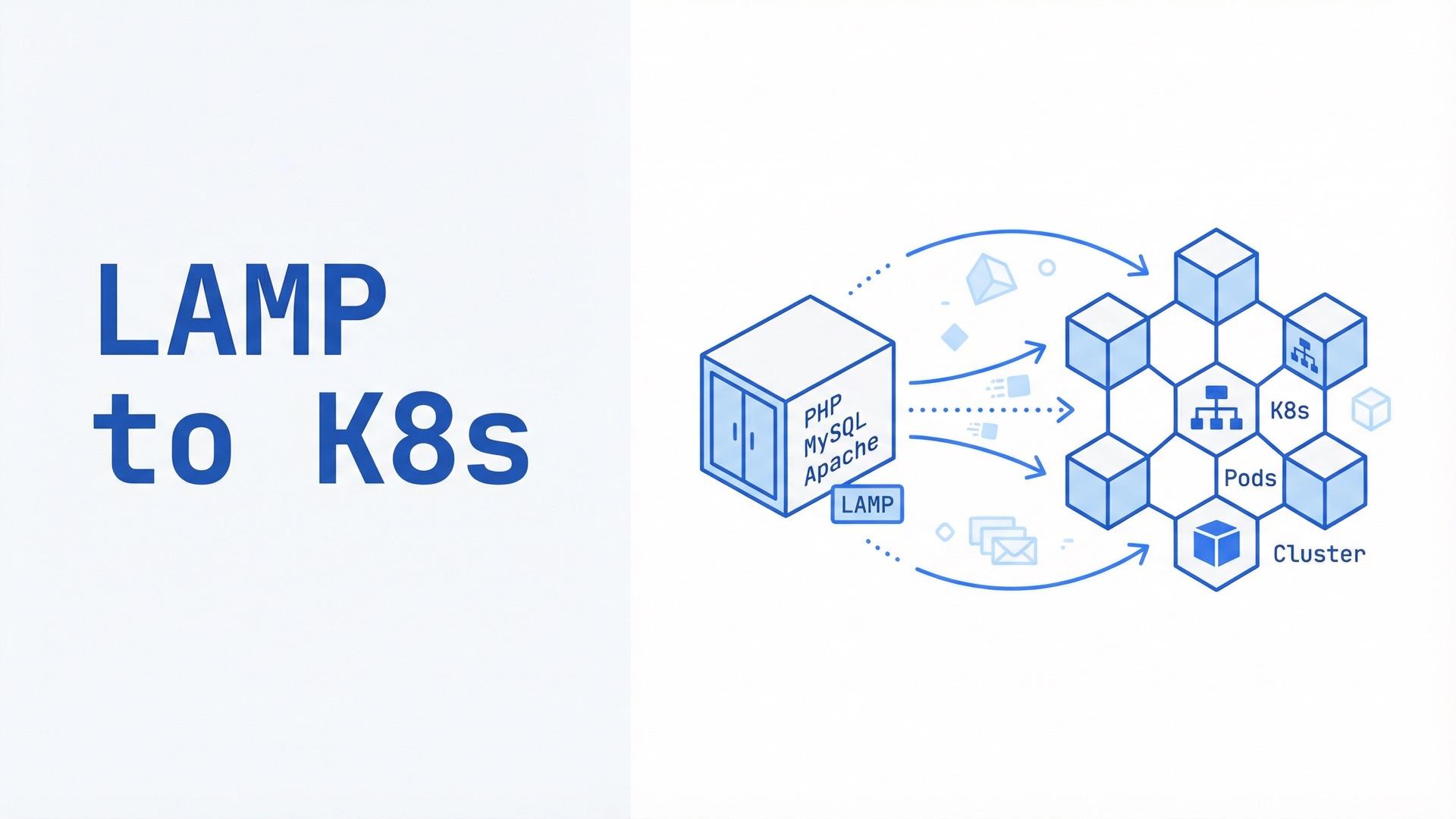
Migrate PHP (lamp) app to Kubernetes
Migrating your PHP (LAMP) applications to Kubernetes is an important process for any web application.
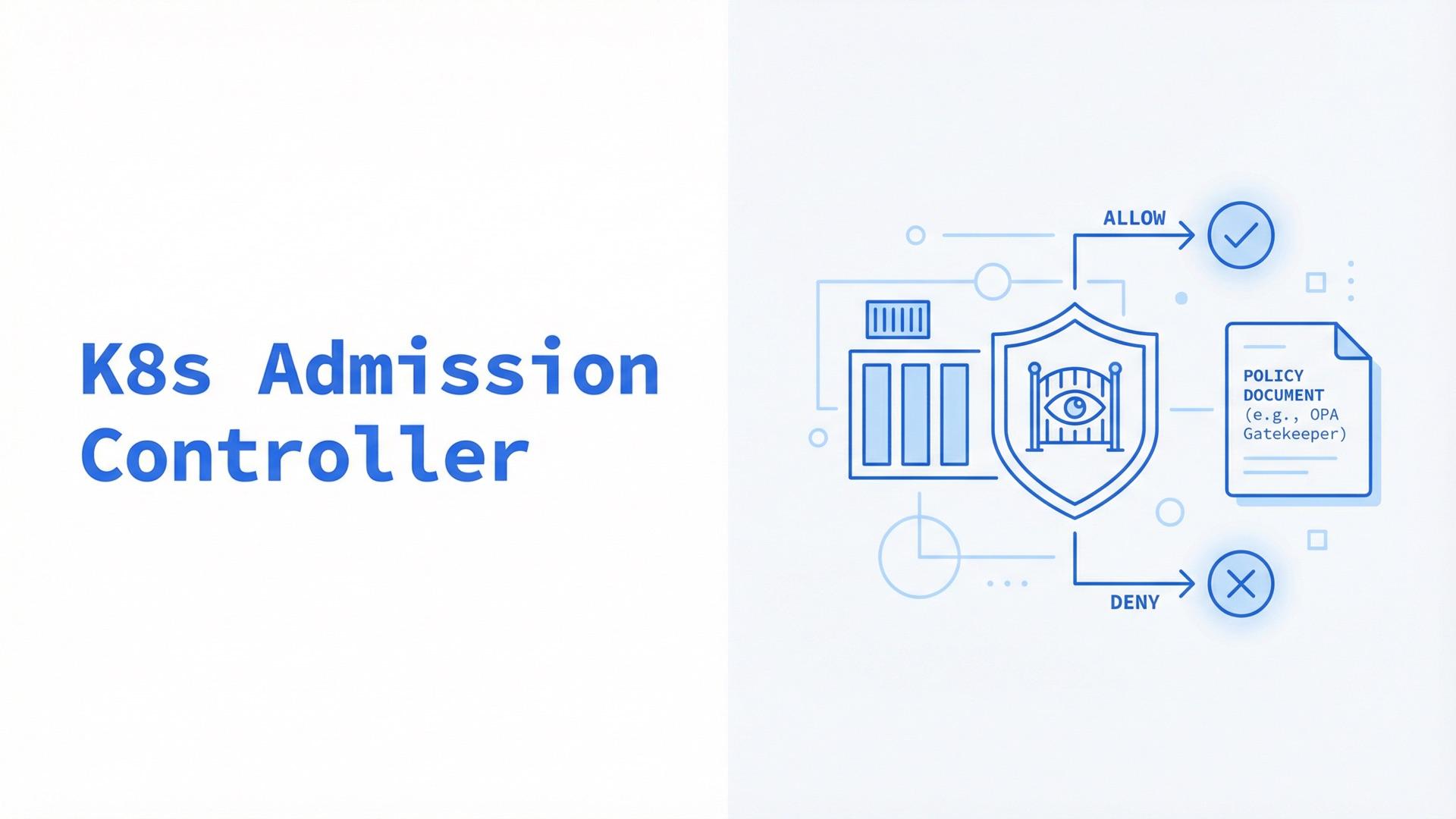
The Importance of Configuring Your Admission Controller Early in Kubernetes
In a Kubernetes (k8s) environment, the admission controller plays a crucial role in filtering input to the cluster.
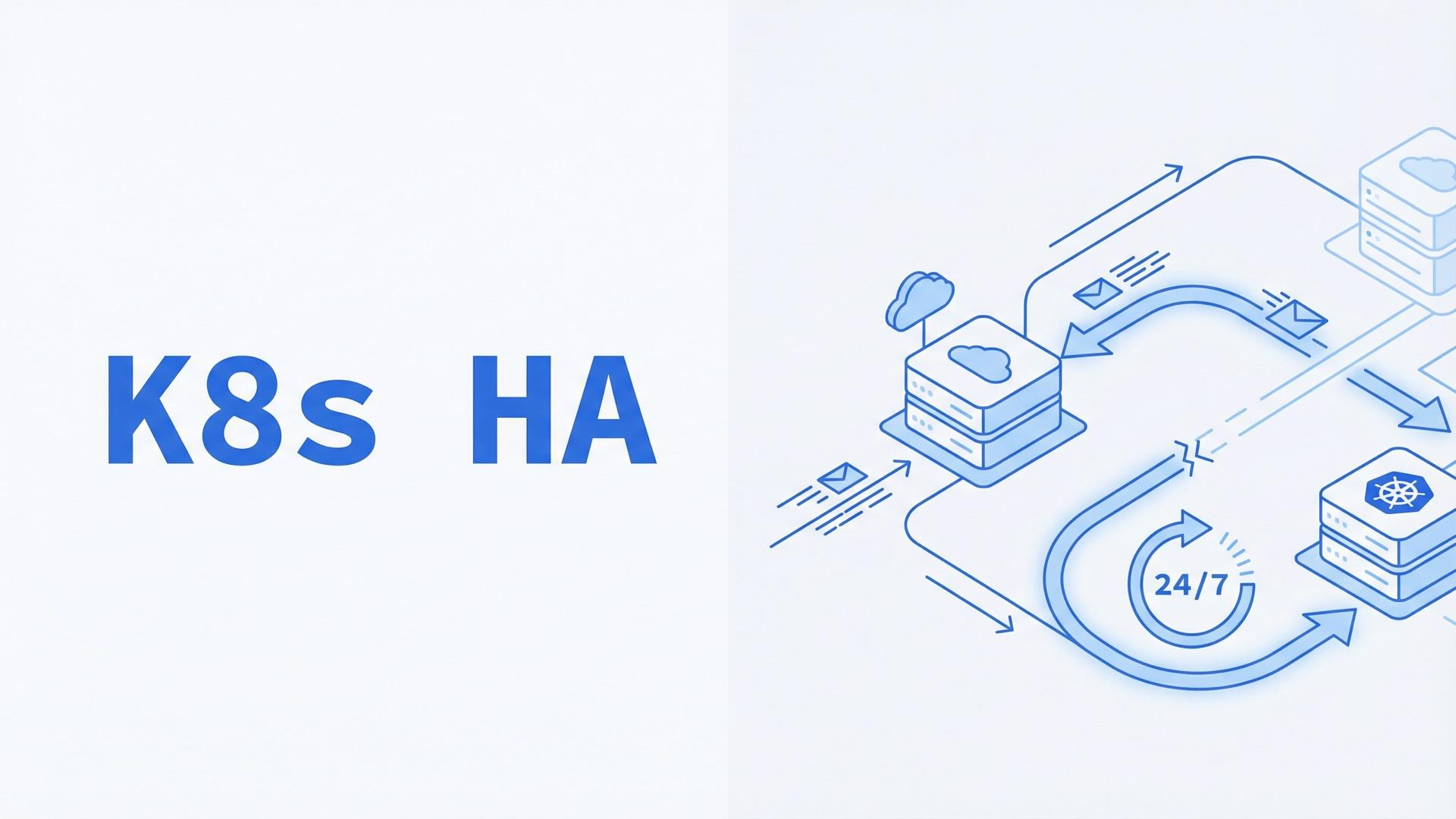
Ensuring High Availability in Kubernetes Clusters: Cluster, Application, and Beyond
High availability is a key requirement for modern applications, as businesses rely heavily on these applications to drive growth and revenue.
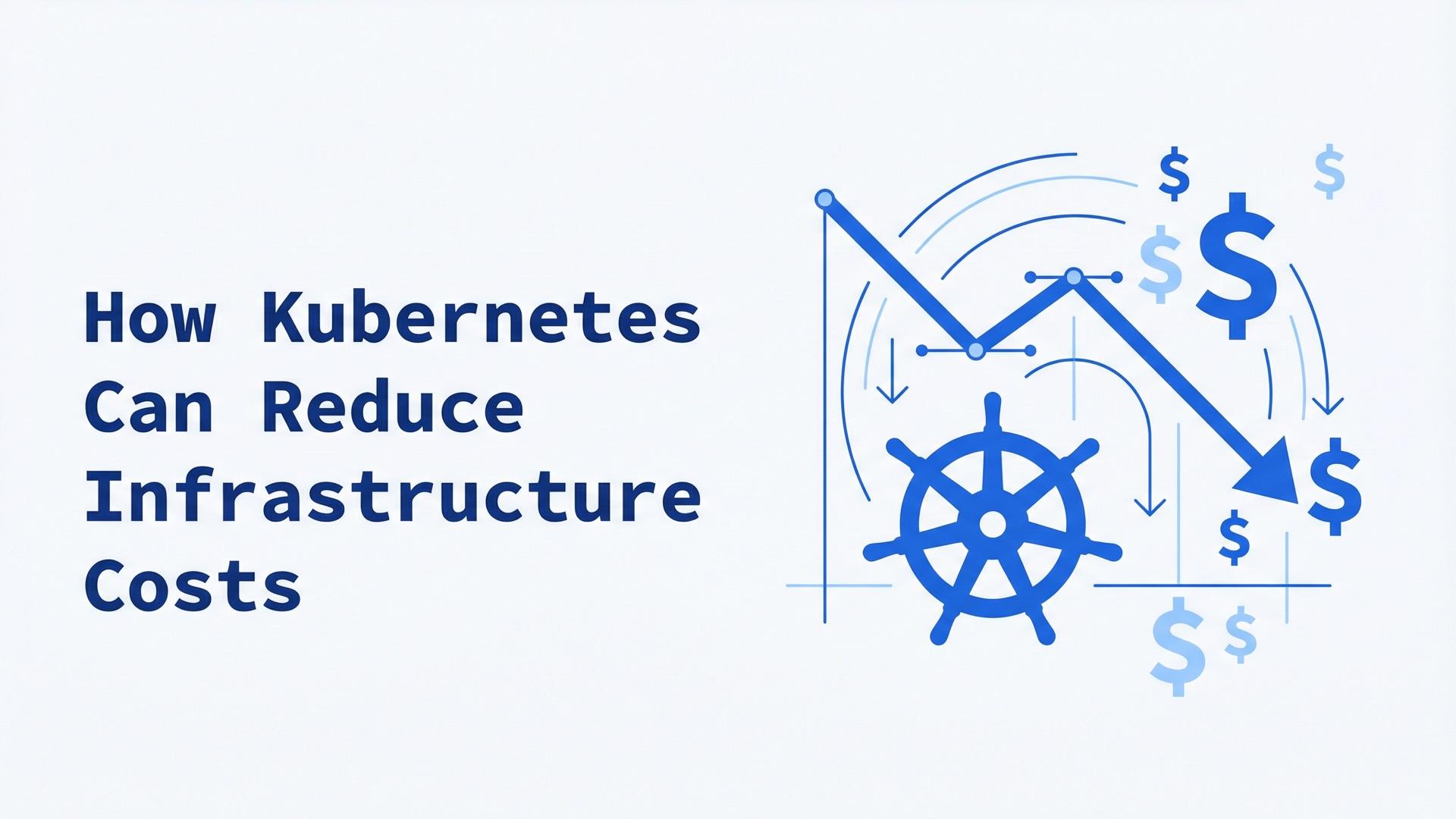
How Kubernetes can reduce infrastructure costs for businesses
If we were to choose a single thing that permeates any kind of business in the world — from a small-time village fisherman to an international corporation —...
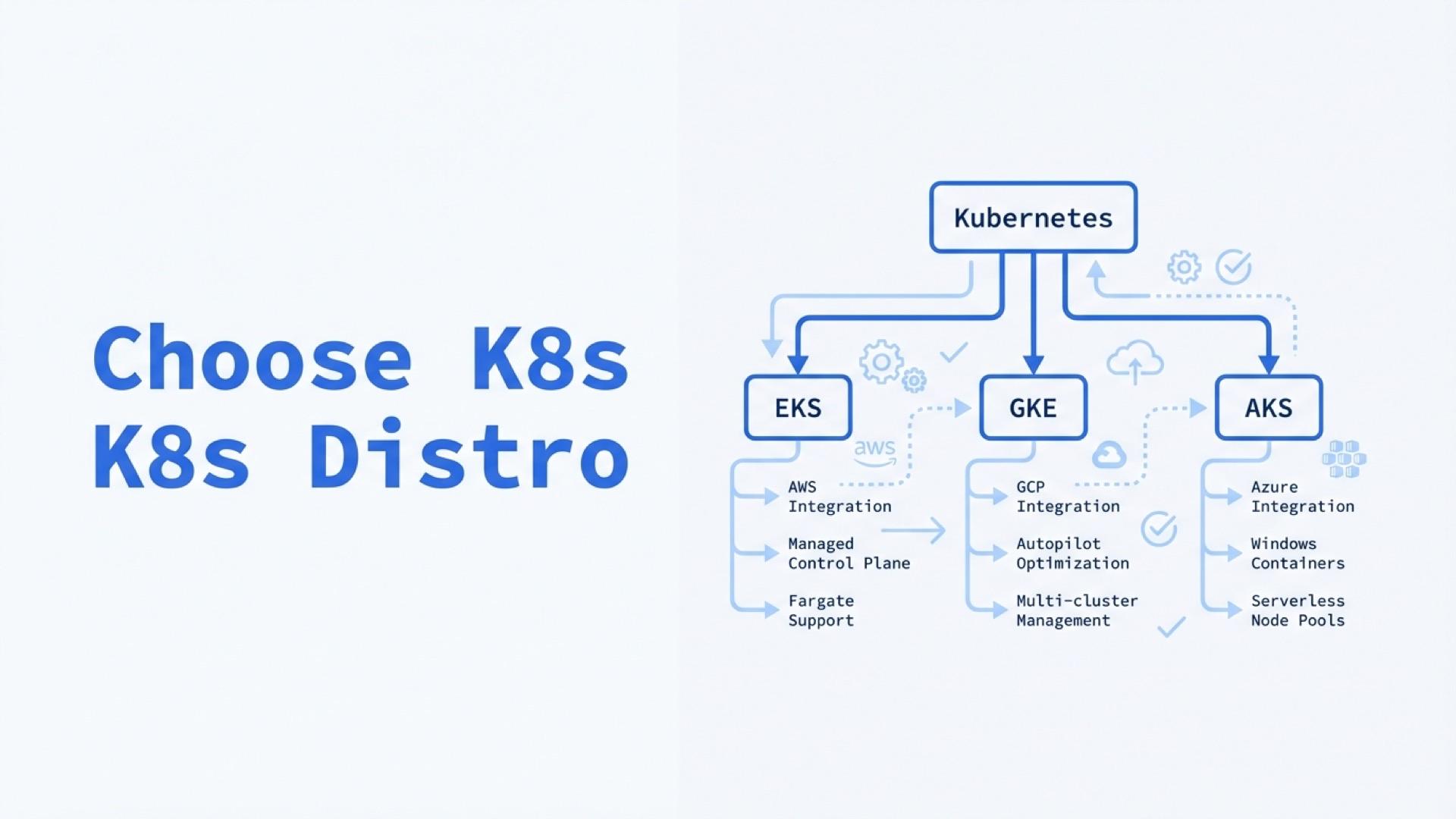
How to choose the right Kubernetes distribution for your business
Kubernetes, frequently referred to as K8s, is an open-source system designed to handle containerized applications across multiple hosts, providing basic...
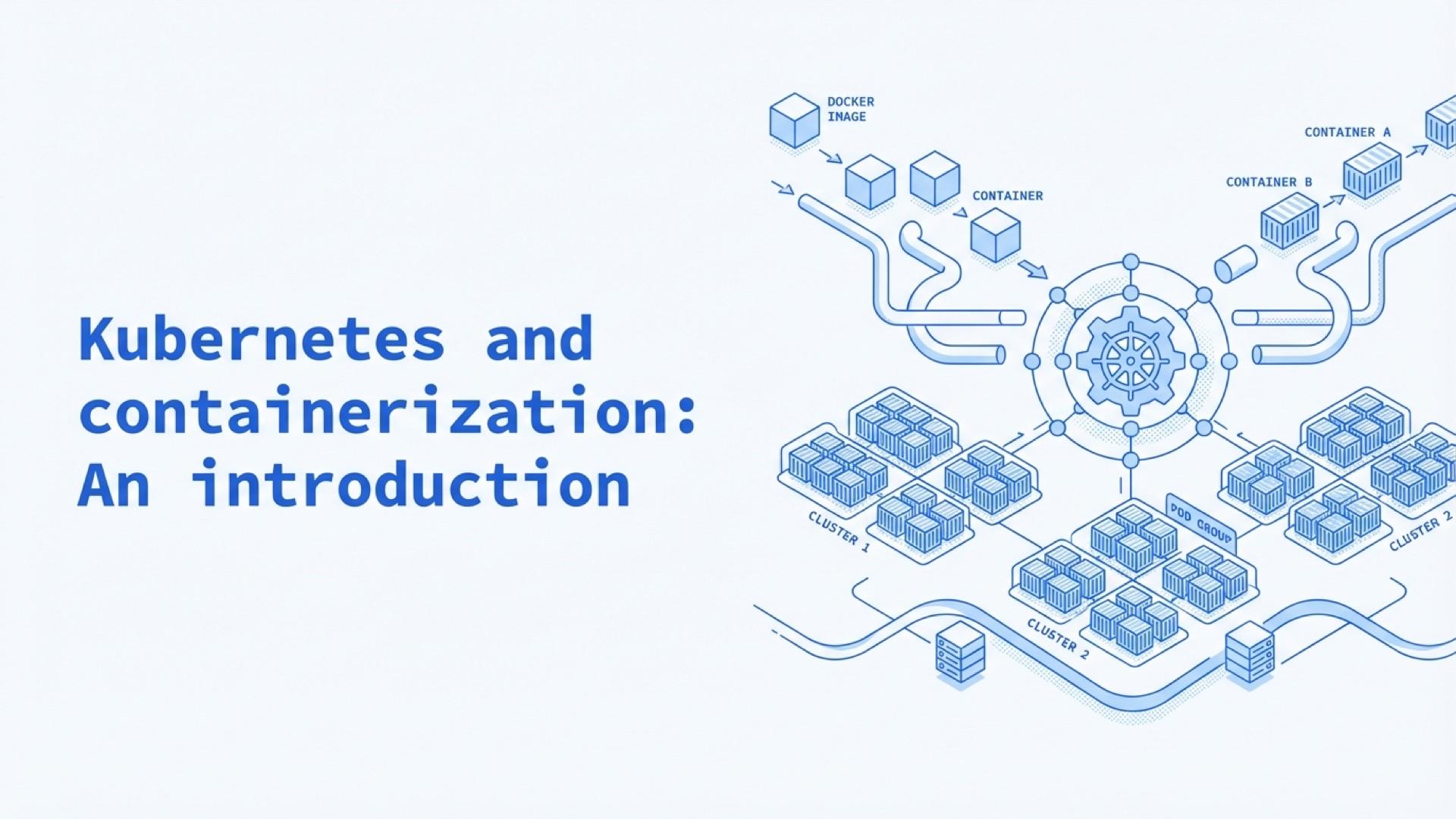
Kubernetes and containerization: An introduction
In today's rapidly evolving software development landscape, the ability to deploy and manage applications efficiently and effectively is more important than...
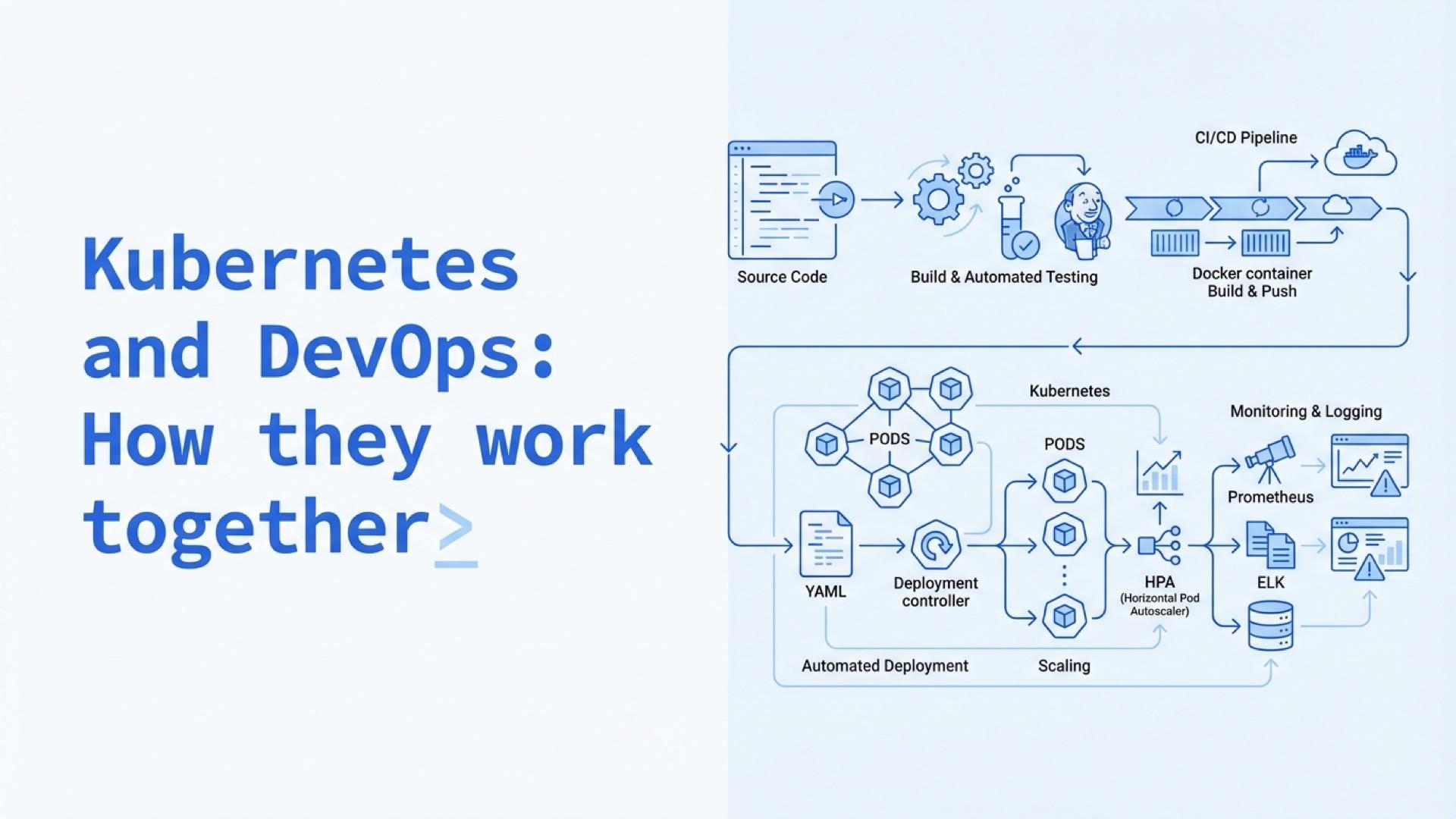
Kubernetes and DevOps: How they work together
DevOps has become an essential aspect of modern software development, helping organizations to accelerate their release cycles and improve their software...
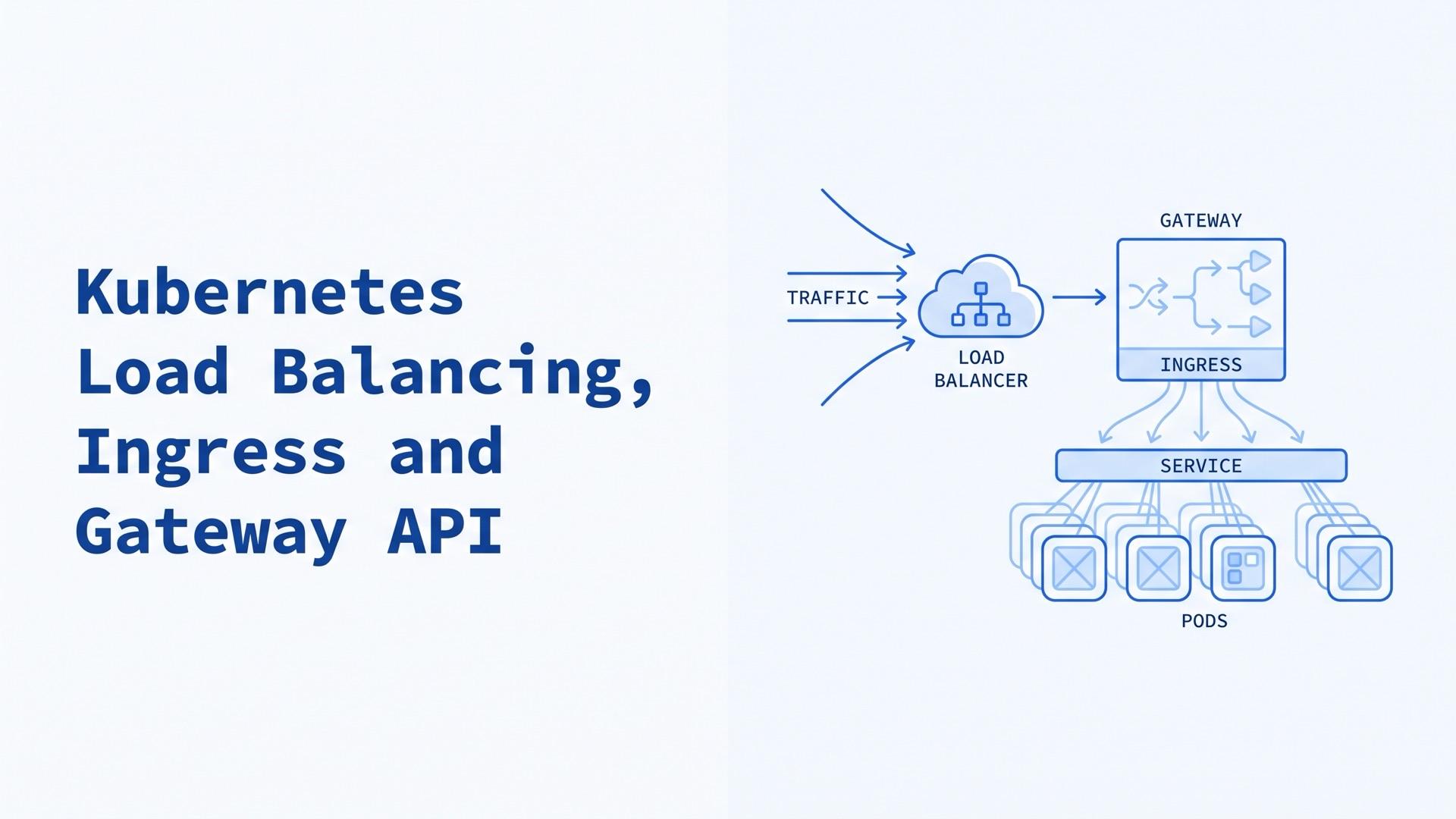
Kubernetes Load Balancing, Ingress and Gateway API
How Kubernetes load balancing works in 2026: Services, kube-proxy, cloud and bare-metal load balancers, Ingress, Gateway API, and which to use.
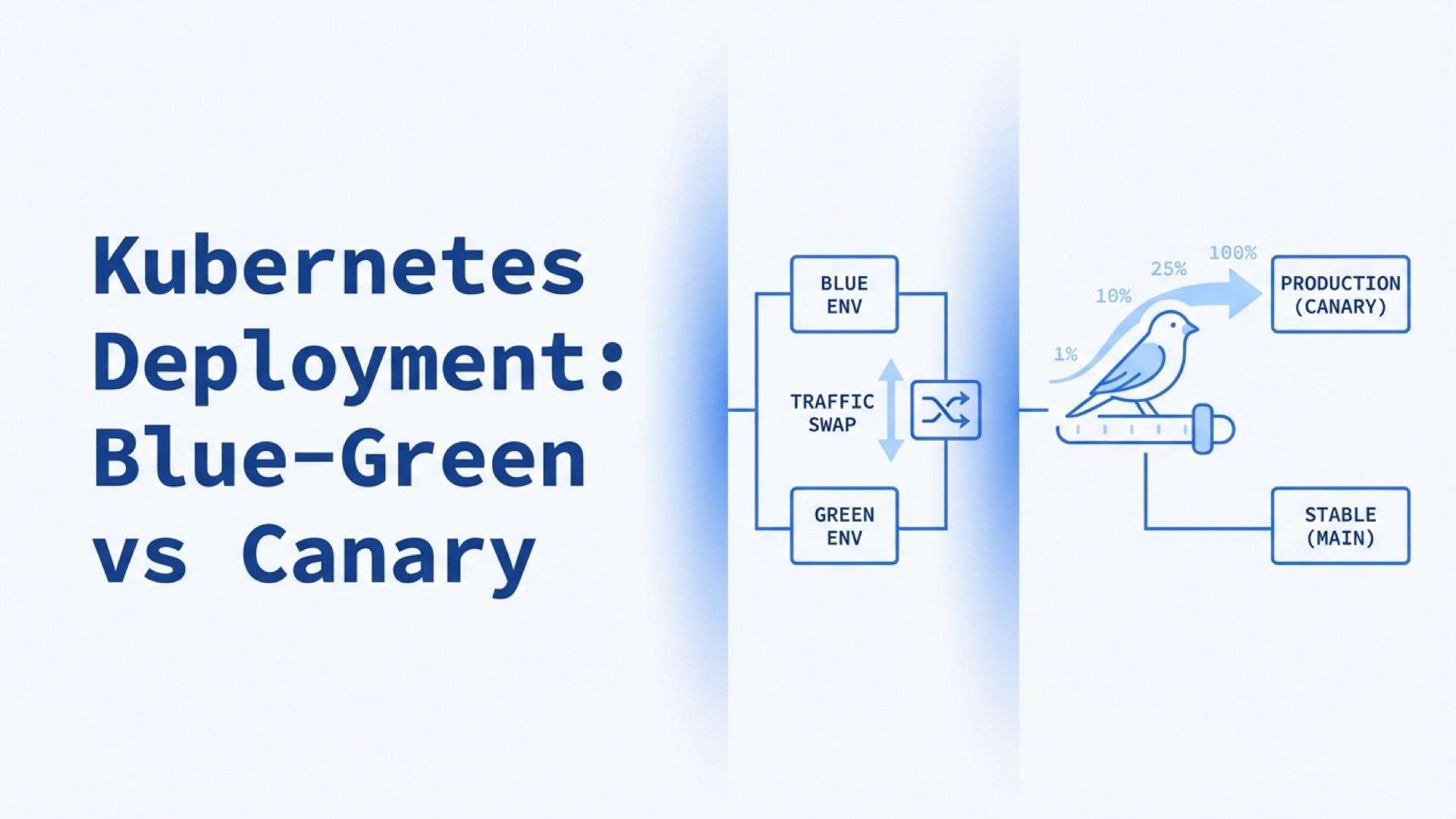
Kubernetes deployment strategies: Blue-Green vs. Canary
Understanding and implementing the best practices for deploying applications using Kubernetes is essential for ensuring application availability, minimizing...
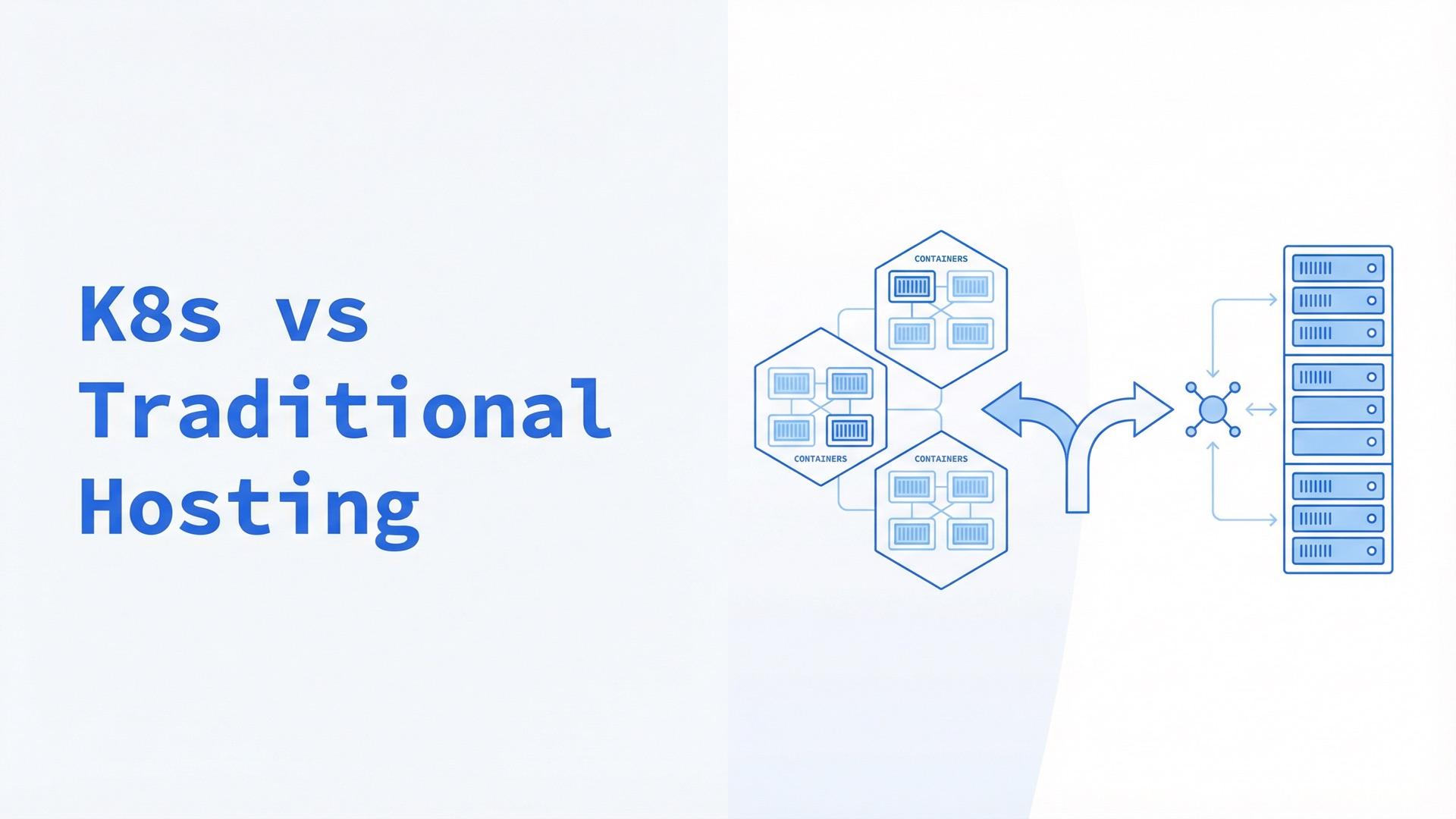
Kubernetes vs. traditional hosting: A comparison
In recent years, containerization and orchestration technologies have revolutionized the way applications are deployed and managed.
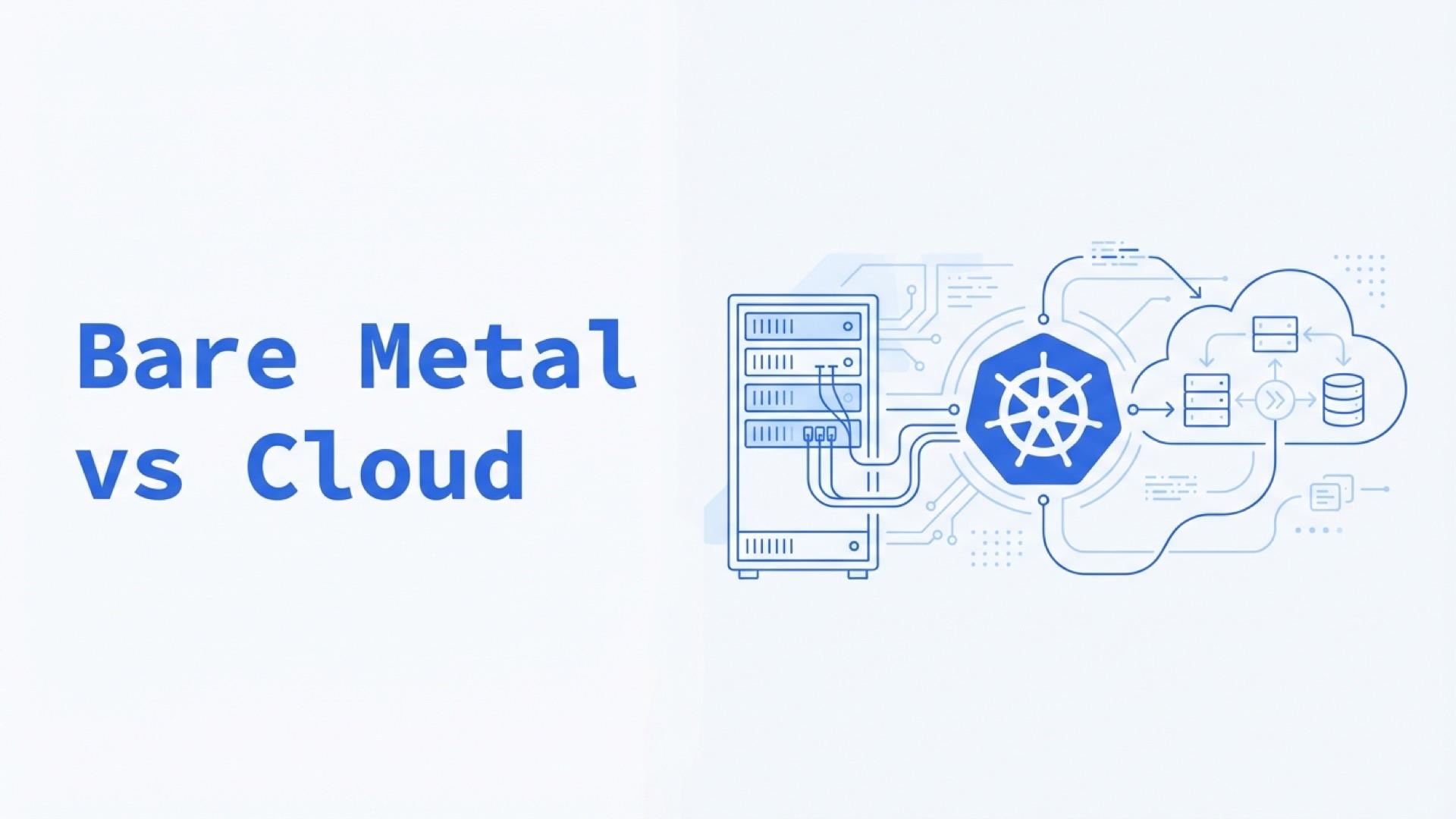
Self-hosted K8s – Bare metal vs private cloud
Kubernetes began as an internal Google project, an orchestration system for “containers” — OS-level virtualization instances of larger applications, usually...
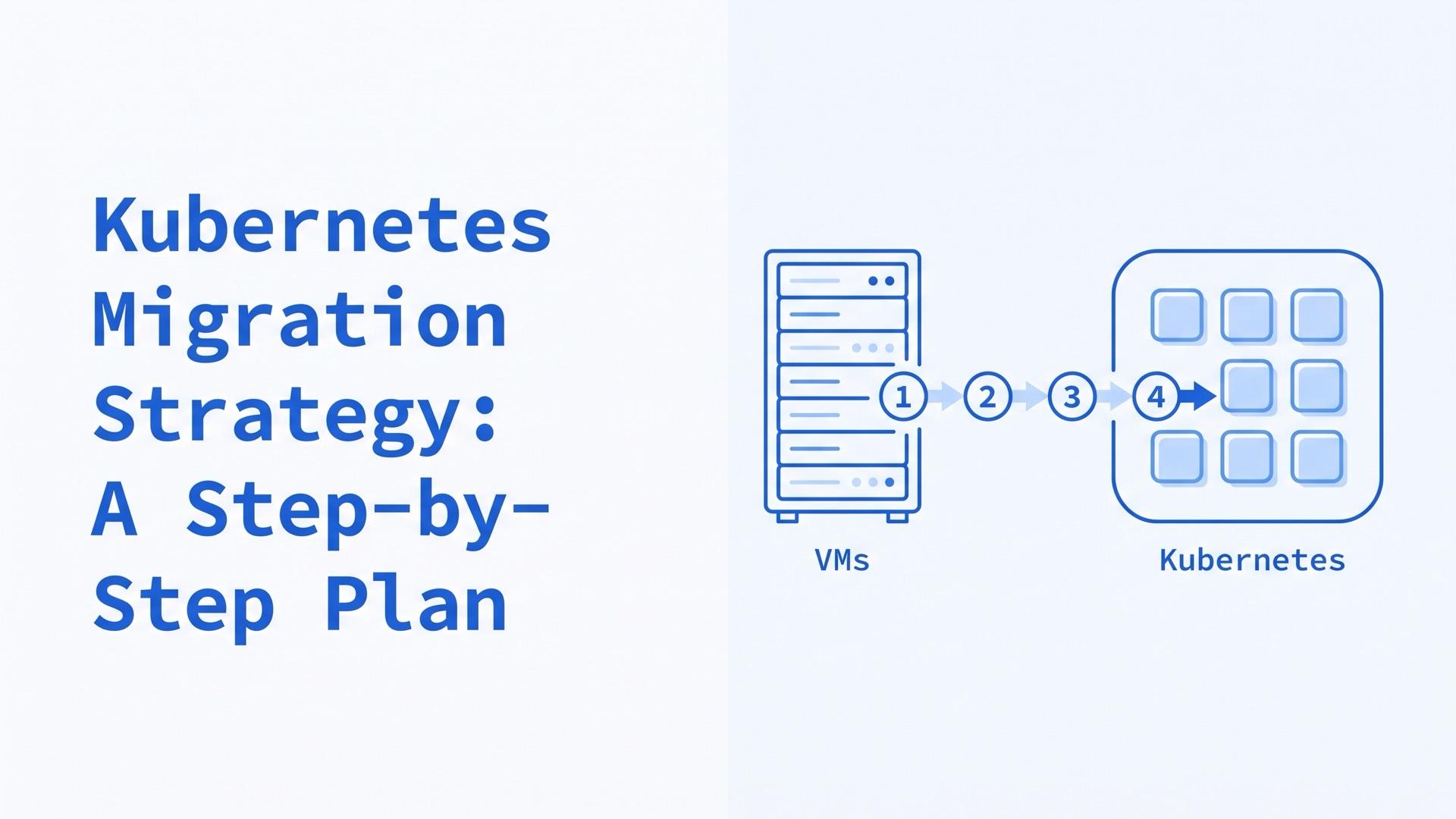
Kubernetes Migration Strategy: A Step-by-Step Plan
How to plan a Kubernetes migration in 2026: benefits and when not to migrate, the 7 Rs, a readiness checklist, cloud or on-prem, cutover and rollback.
Kubernetes Security Best Practices: A 2026 Checklist
How to secure and harden a Kubernetes cluster in 2026: 25 best practices, from the API server to runtime, and the free tools that check them.
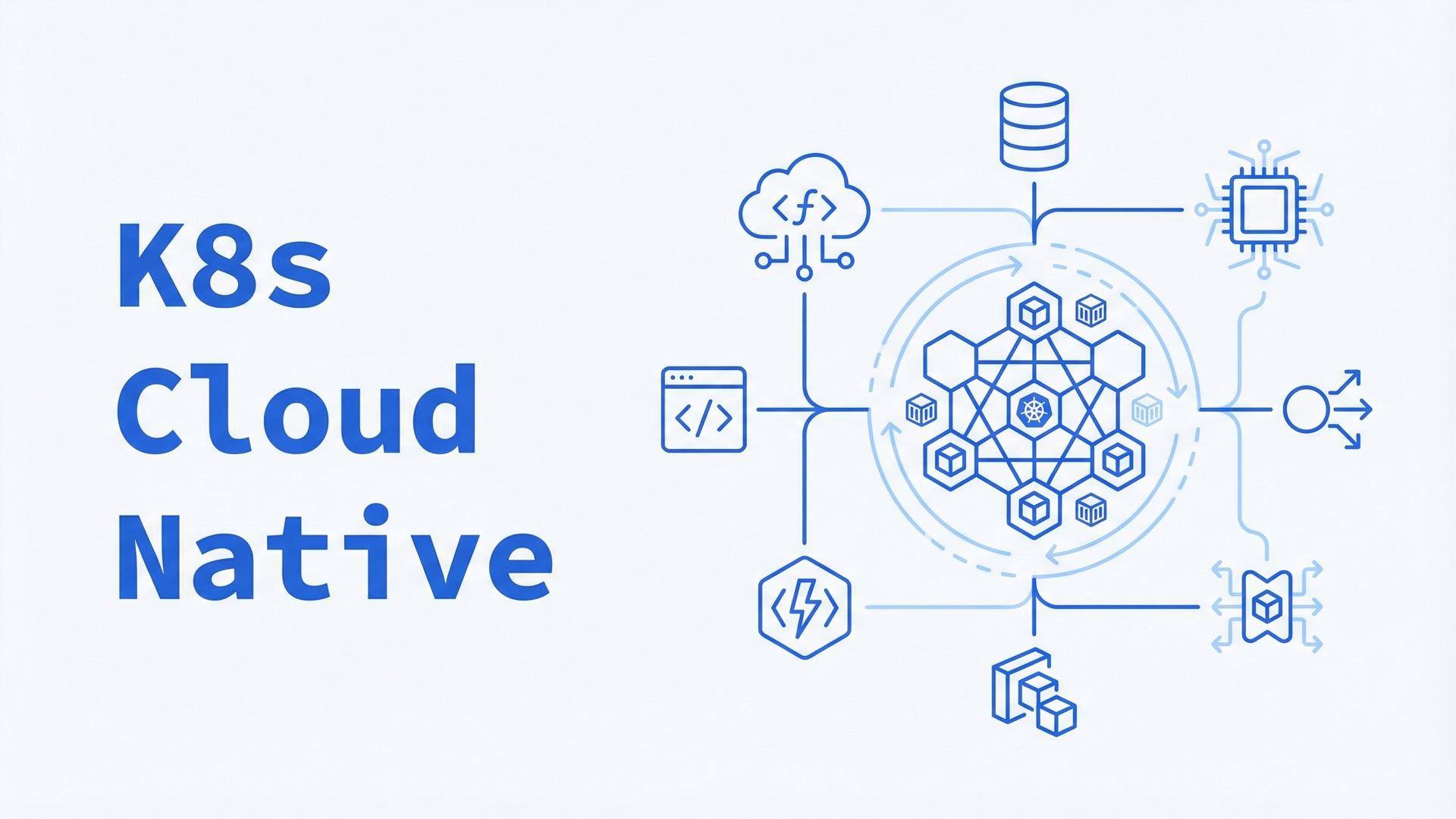
The role of Kubernetes in cloud-native application development
Cloud-native application development is a software development approach that is designed to build and deploy applications in the cloud.
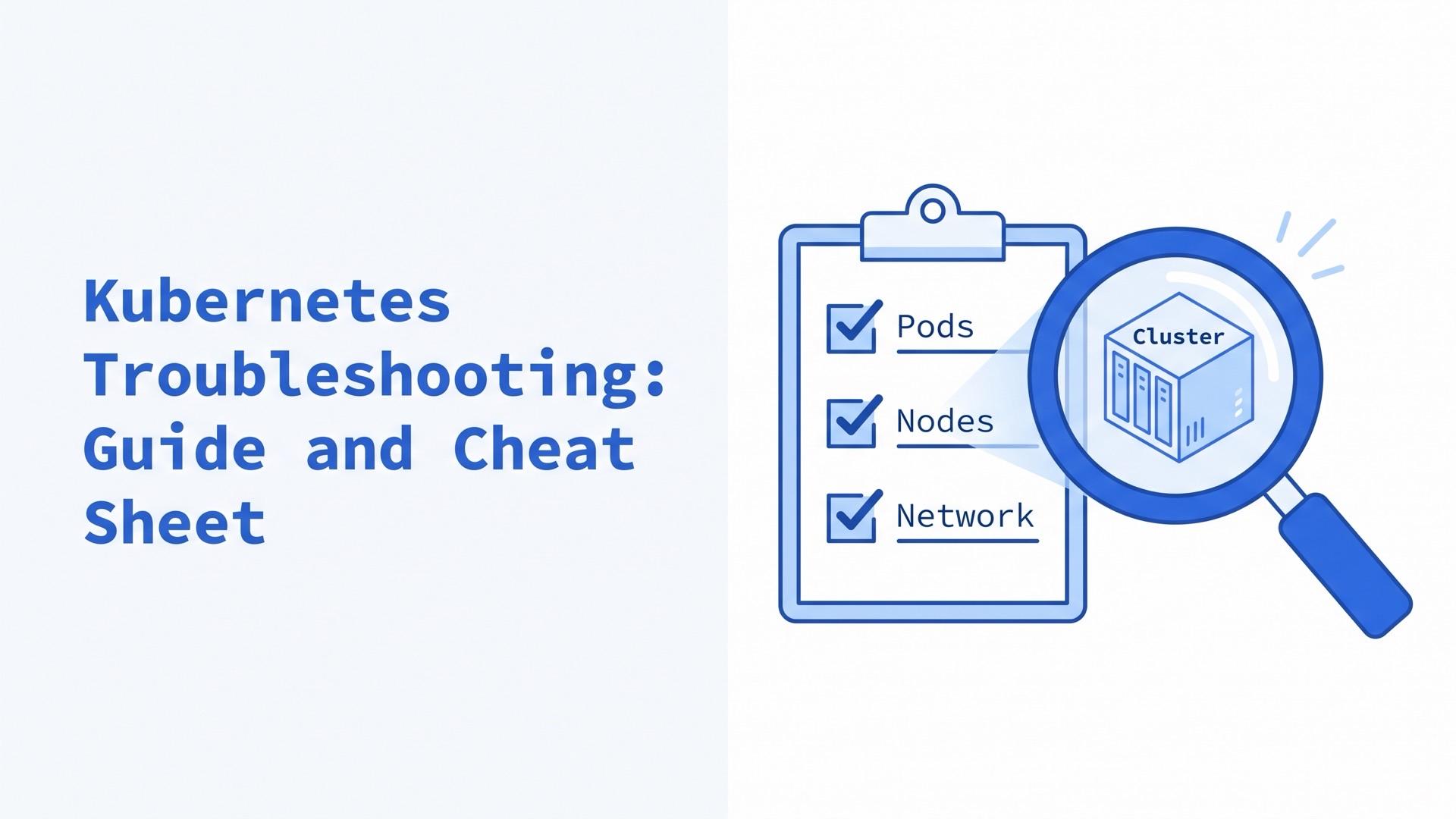
Kubernetes Troubleshooting: Guide and Cheat Sheet
How to troubleshoot and debug Kubernetes (K8s) in 2026: a step-by-step workflow, a cheat sheet, pod errors, exit codes, nodes, clusters and storage.
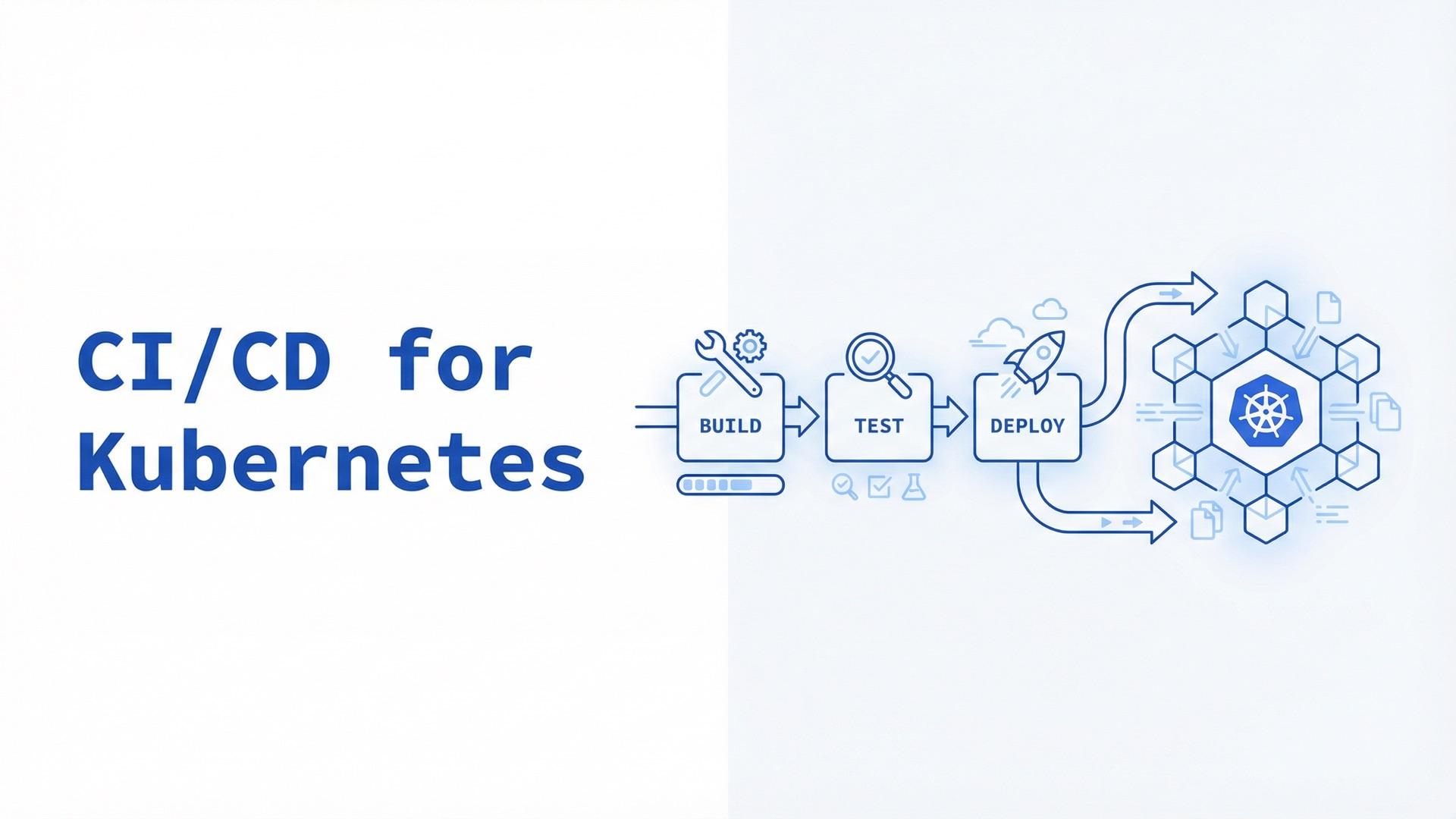
CI/CD for Kubernetes
Continuous Integration (CI) and Continuous Deployment (CD) are essential practices in modern software development that allow teams to integrate changes and...
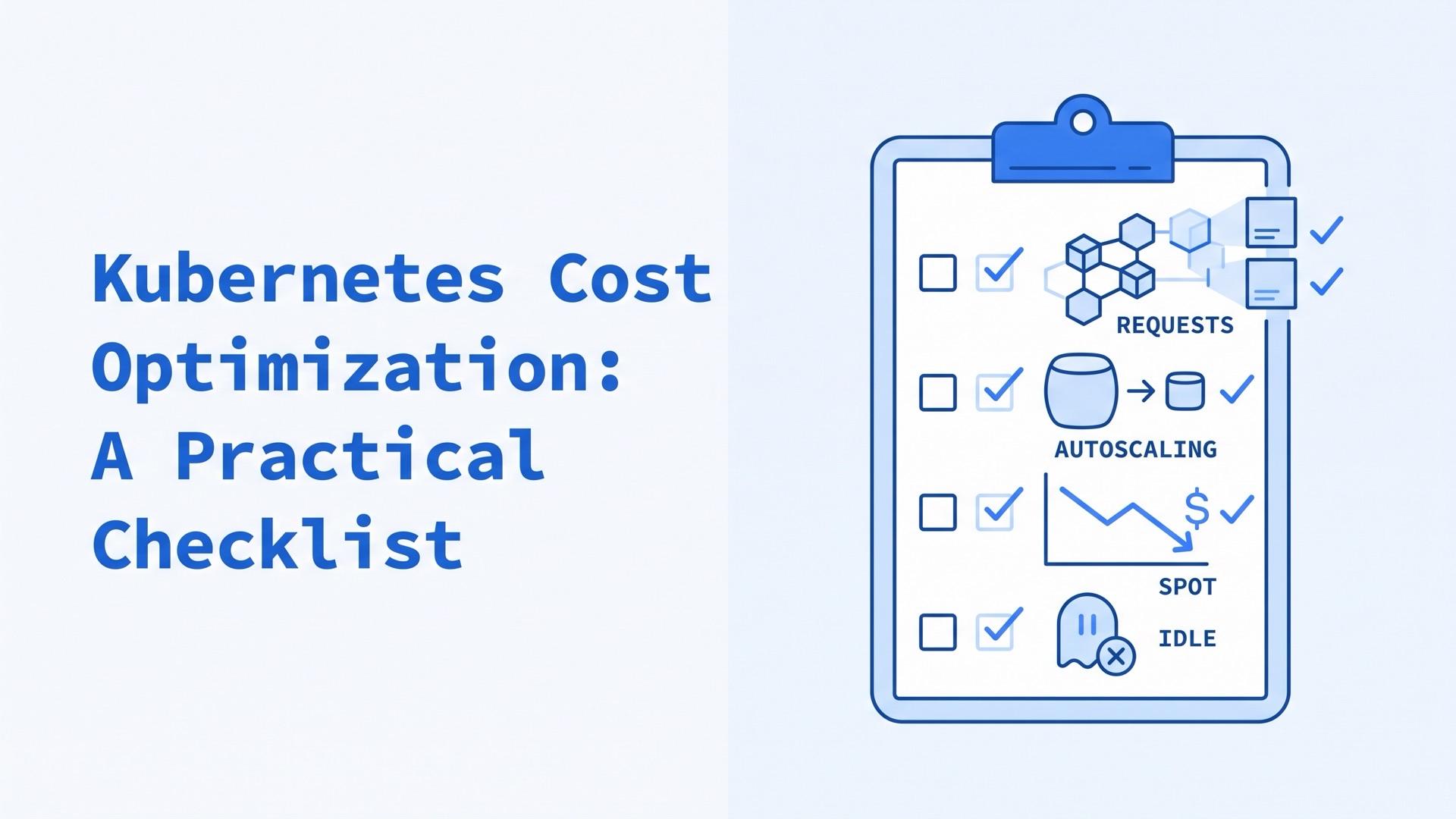
Kubernetes Cost Optimization: A Practical Checklist
Kubernetes cost optimization, step by step: cost monitoring, right-sized resource requests, autoscaling, Spot, idle resources and the tools for each.
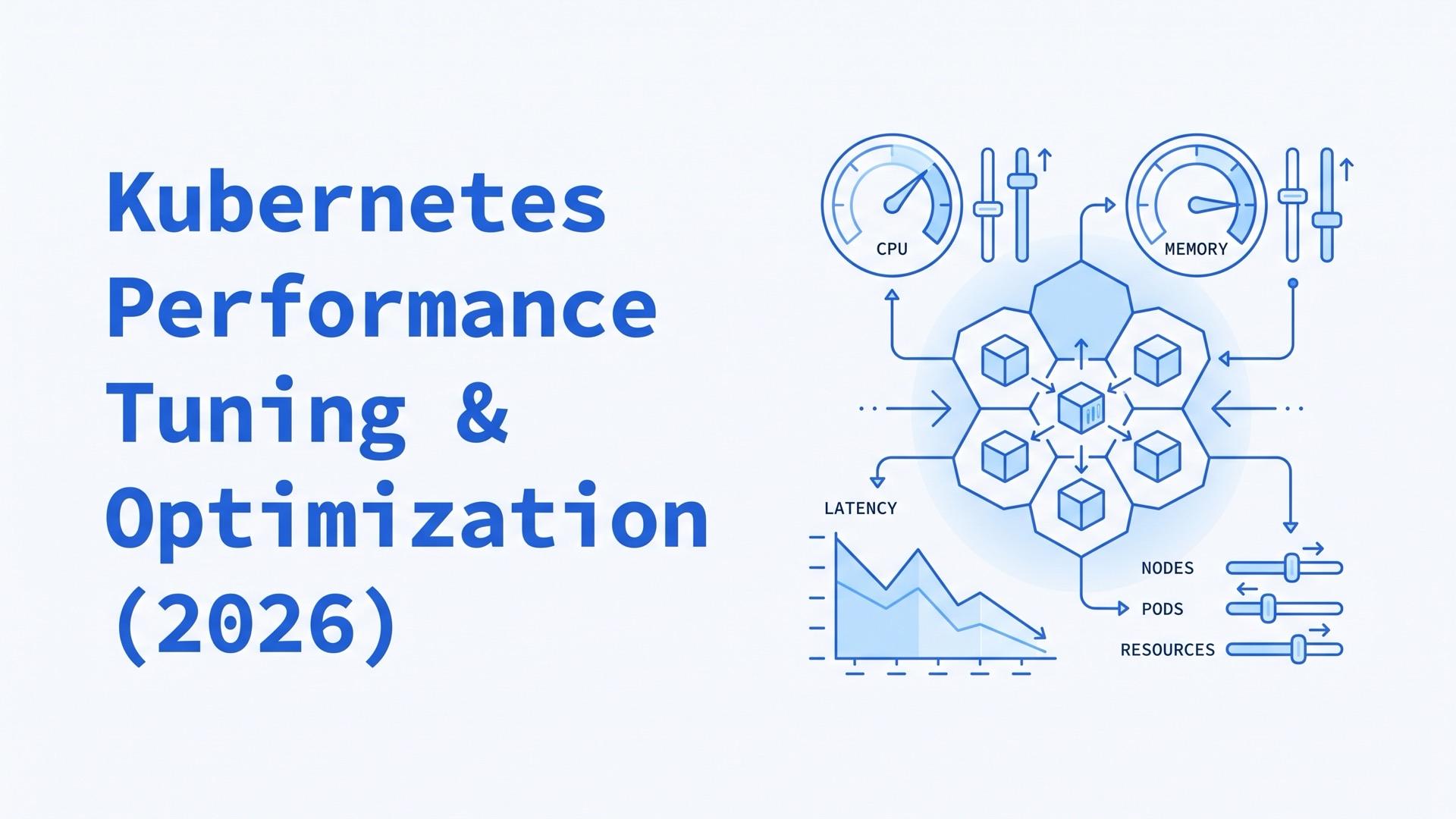
Kubernetes Performance Tuning & Optimization (2026)
Ten best practices for Kubernetes performance tuning and optimization in 2026, with fixes for CPU throttling, memory, DNS, storage, etcd and GPUs.
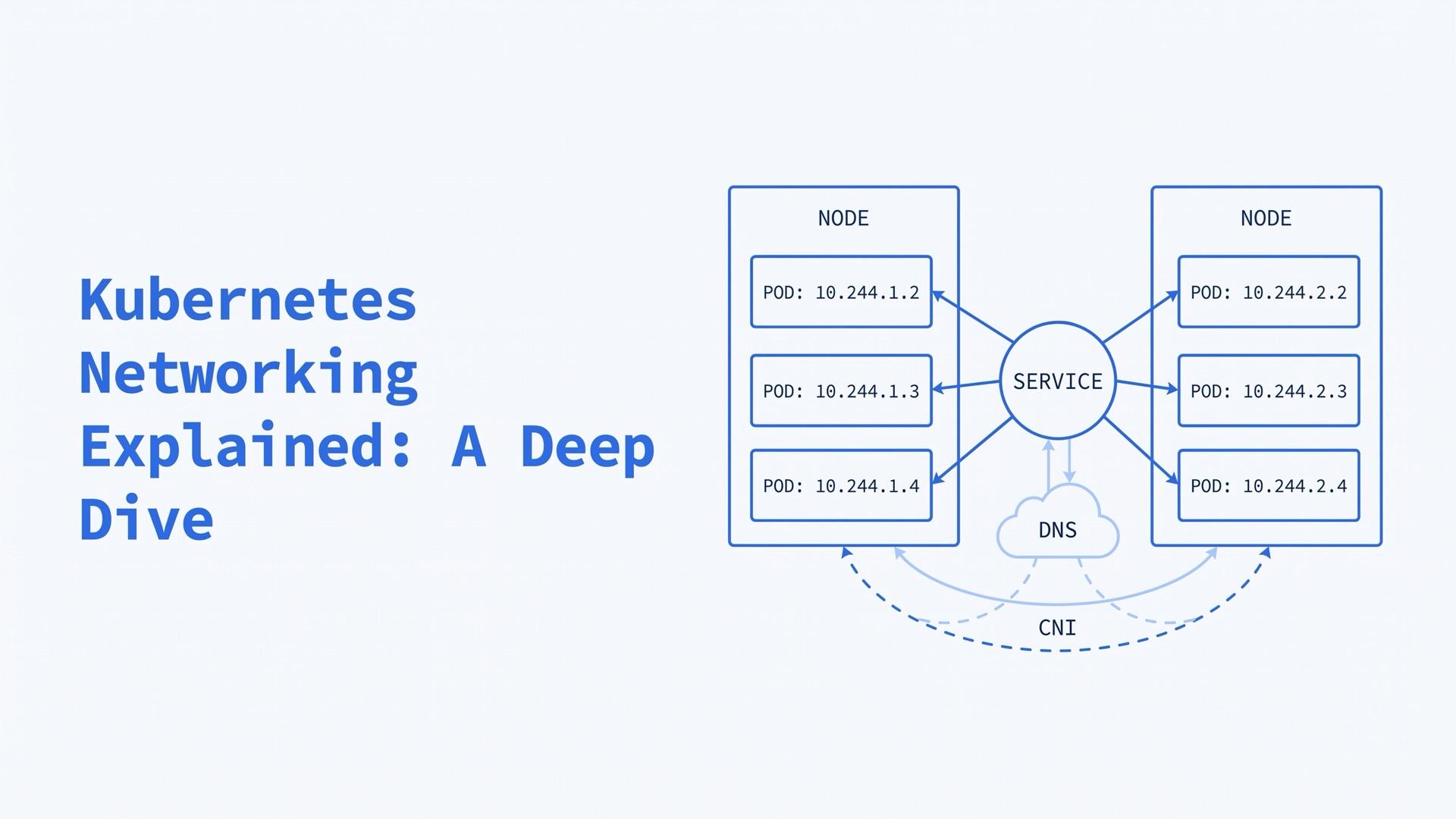
Kubernetes Networking Explained: A Deep Dive
How Kubernetes networking works in 2026, layer by layer: pod IPs, CNI plugins, kube-proxy, DNS and network policies, with real commands to debug them.
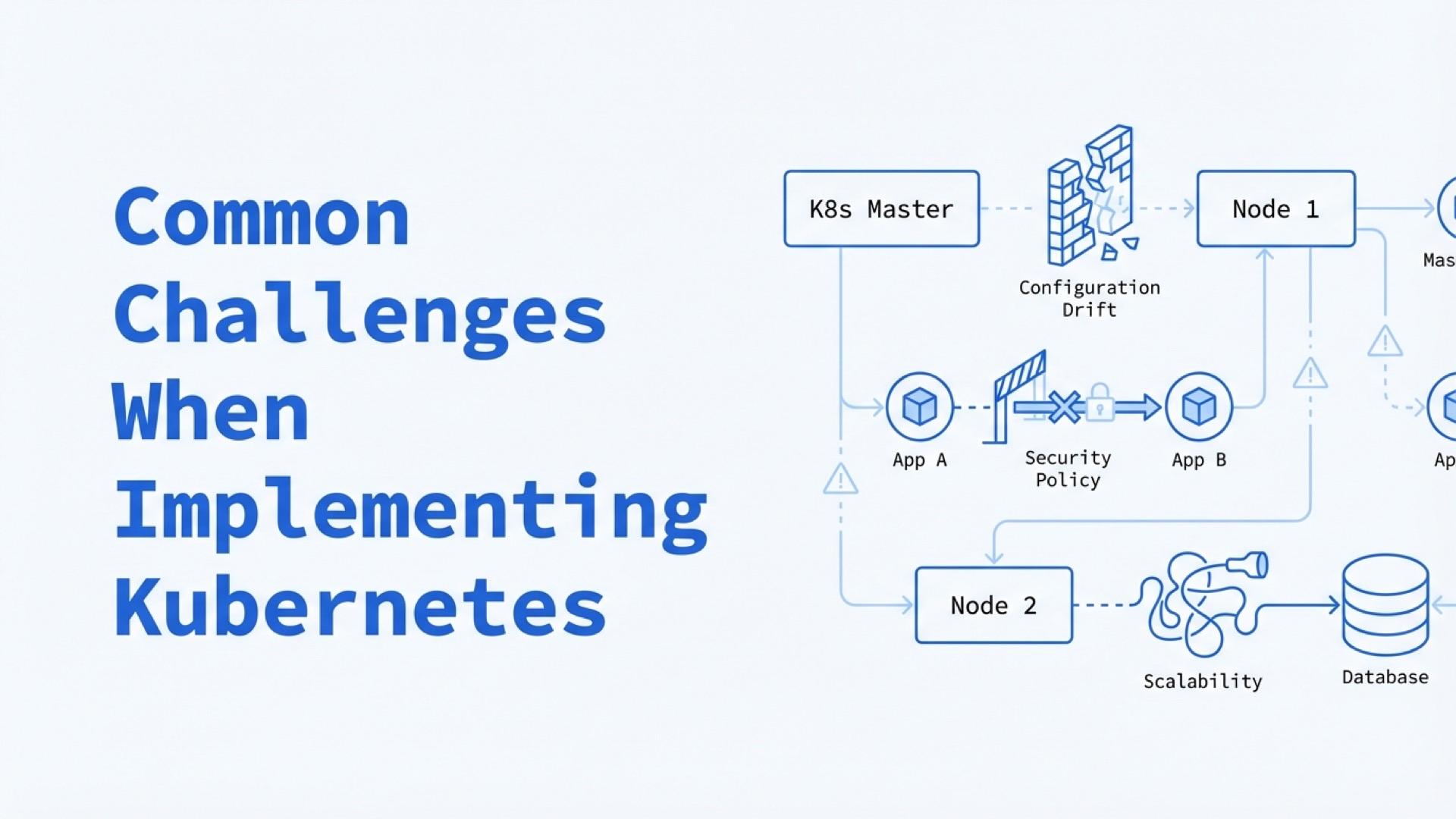
Common Challenges Faced When Implementing Kubernetes and How to Overcome Them
Kubernetes has become the de facto standard in the world of container orchestration, offering immense scalability and automation benefits.
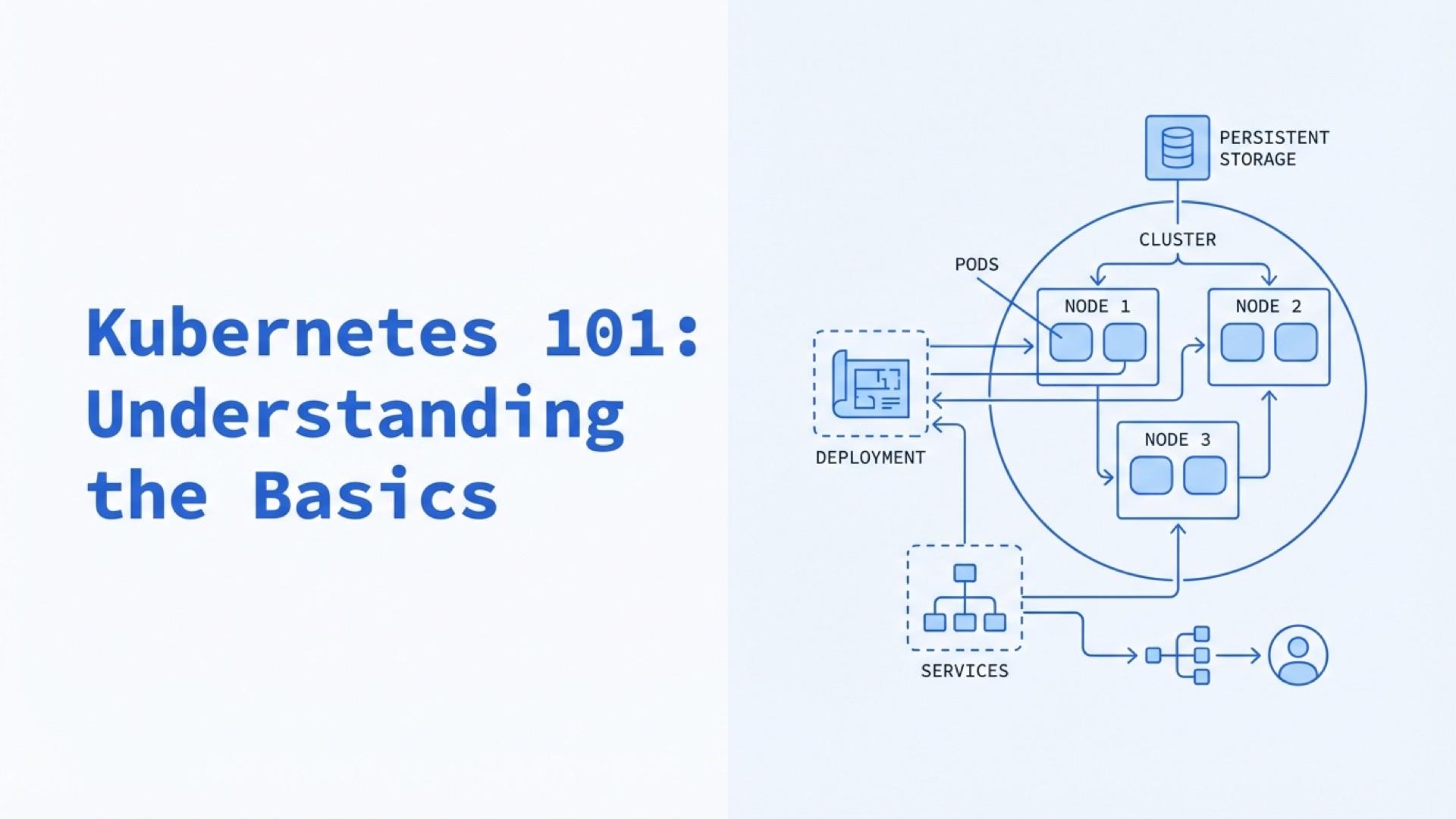
Kubernetes 101: Understanding the Basics. Key Concepts and Features of Container Orchestration
Kubernetes has become the de facto standard for container orchestration and management, enabling developers to deploy and scale containerized applications...
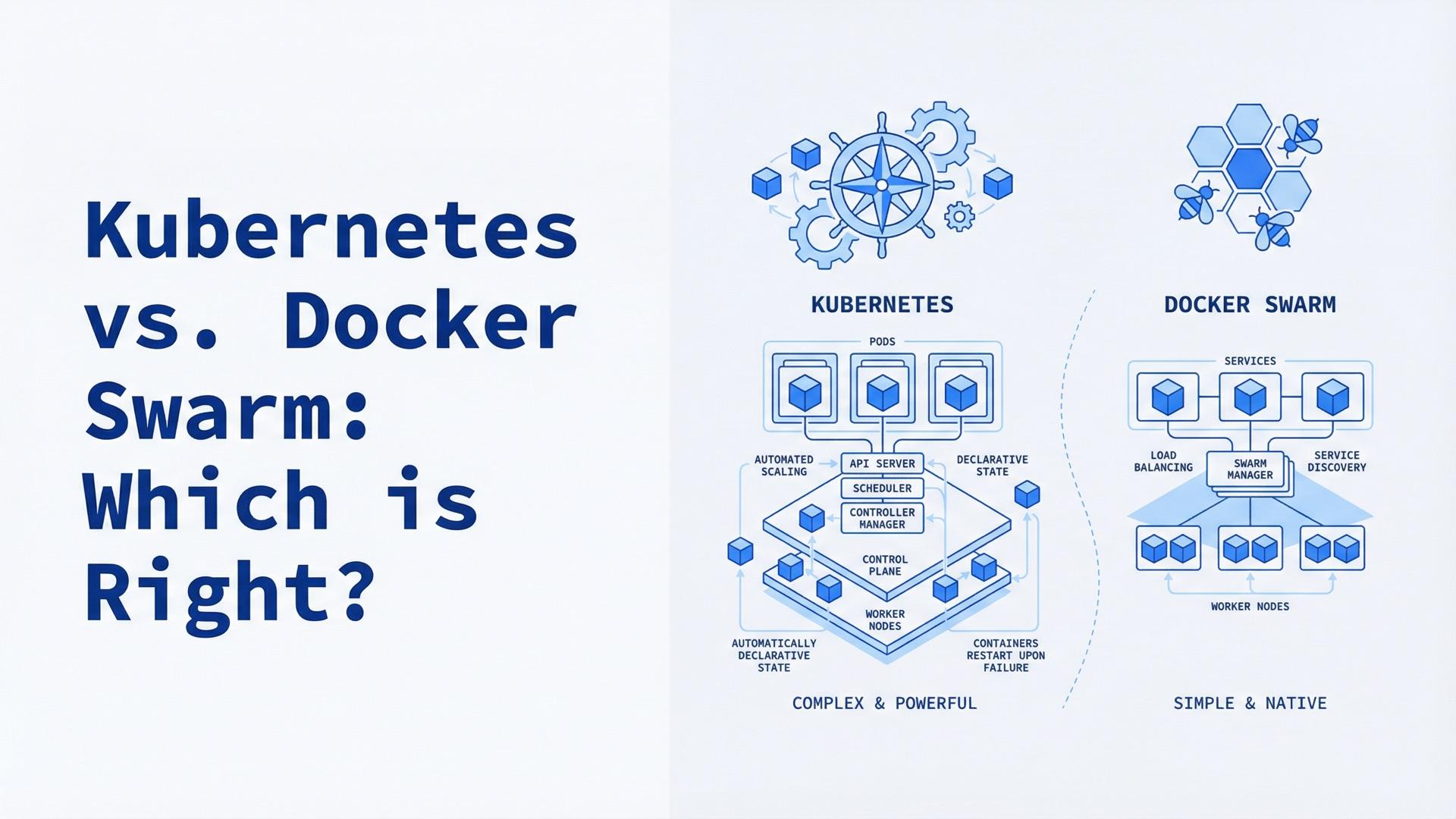
Kubernetes vs. Docker Swarm: Which is Right for Your Organization?
Have you ever heard of containers in the world of technology? In today's fast-paced digital world, the concept of containers has revolutionized how...