Your crawlers fail silently. Your data is stale. Nobody noticed.
ETL pipelines, web crawling, data normalization. We build collection infrastructure that tells you when something breaks — not your customers.
The challenge
Data collection breaks constantly
Crawlers fail silently, sources change formats, rate limits hit at the worst time. Nobody finds out until the data is stale.
Messy, inconsistent data
Data arrives in different formats from different sources. No normalization, no validation, no single source of truth.
Can't scale beyond what you have
Your pipeline worked for 10K records. Now you need 10M and the whole thing falls over.
How we help
Web crawling infrastructure
Scalable crawlers built for reliability. Retry logic, proxy rotation, rate limit management. We've collected data from thousands of sources.
ETL pipeline design & build
Extract, transform, load — done right. Idempotent, observable, recoverable. Pipelines that tell you when something is wrong.
Data normalization & validation
Clean, consistent data from messy sources. Schema validation, deduplication, quality checks before data hits your product.
Scaling & optimization
From batch to streaming. From one server to a distributed cluster. We scale your data infrastructure without rewriting everything.
Training data for AI
Multilingual web data, collected at scale, deduplicated and delivered in the format your training pipeline expects, non-English sources included.
Search & indexing
We started in 2009 building search on Sphinx, now Manticore. Full-text indexes that stay fast as the data grows, fed straight from your pipelines.
Years of experience building data collection infrastructure for companies processing millions of records daily. From web crawling to ETL to search indexing — we've built the full pipeline.
Tech stack
Frequently asked questions
- What is an ETL pipeline?
- An ETL pipeline (Extract, Transform, Load) moves data from source systems — databases, APIs, logs, web crawlers — through cleaning and transformation steps into a destination store like a data warehouse or search index. Modern ETL pipelines run continuously rather than in batches, and often include validation, deduplication, and schema evolution handling.
- How do you build data pipelines that handle scale?
- At scale, the bottleneck is usually the transform step, not extraction or loading. We design pipelines with Kafka or Redis Streams for buffering, Airflow or Dagster for orchestration, ClickHouse or Manticore Search for analytical queries, and Kubernetes for scaling workers. The goal is a pipeline that handles 10x your current volume without architectural changes.
- What's the difference between custom and off-the-shelf data pipelines?
- Off-the-shelf tools like Fivetran or Airbyte cover 80% of standard use cases — Salesforce to Snowflake, Stripe to BigQuery. They're faster to set up and don't need maintenance. Custom pipelines win when you have unusual data sources (web crawling, legacy systems), extreme scale, low-latency requirements, or need deep customization. We build both and help clients choose.
- Can you build web crawlers for AI training data?
- Yes. We collect multilingual web data at scale, including non-English sources, and deliver it deduplicated and in the format your training pipeline expects. The hard parts aren't the crawler itself — they're proxy management, deduplication at scale, extracting clean text from messy HTML, and deciding what you're allowed to collect.
From our blog
View all posts →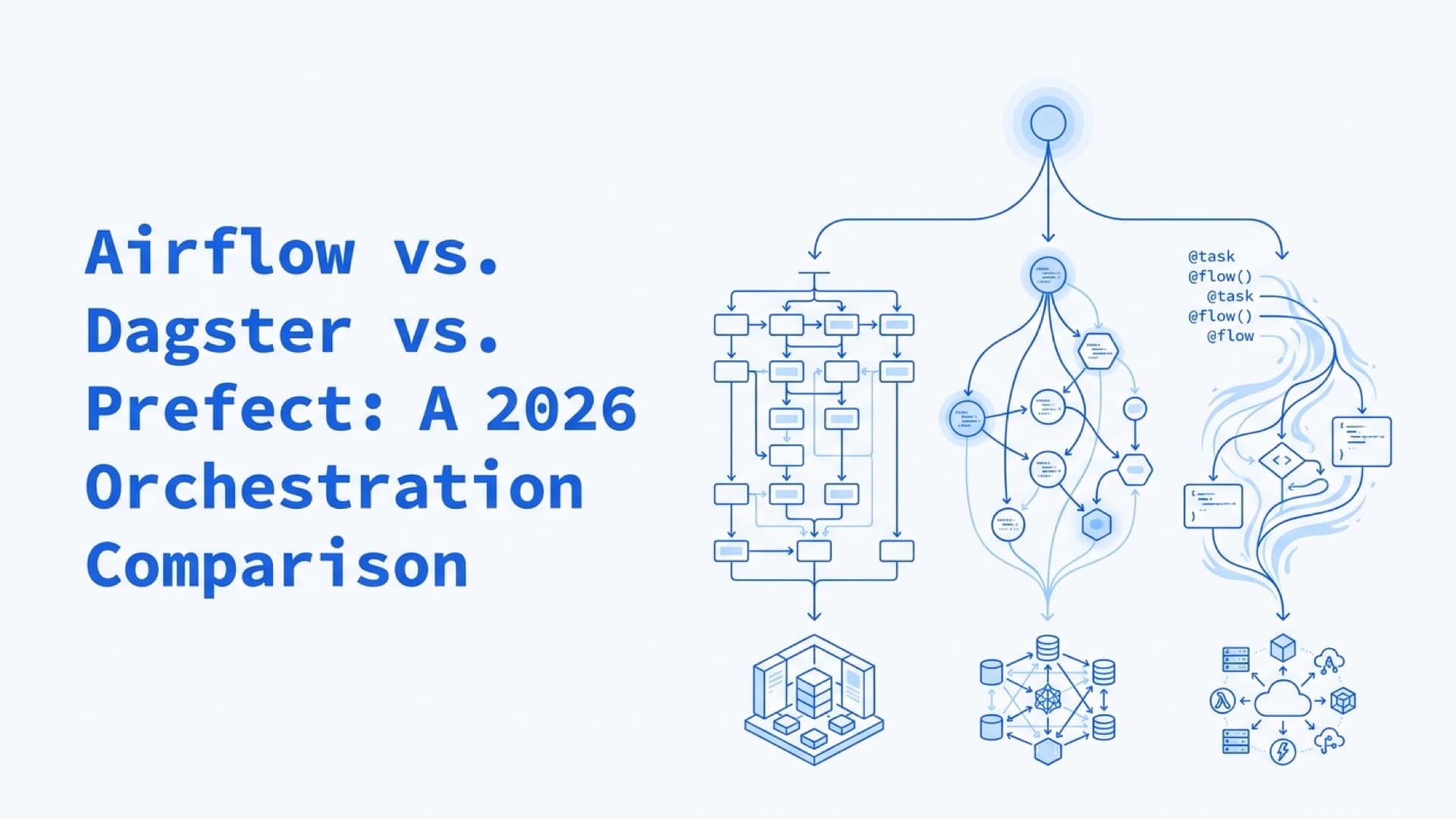
Airflow vs. Dagster vs. Prefect: A 2026 Orchestration Comparison
Airflow 3 shipped breaking changes, Dagster bet on assets over DAGs, Prefect cut 90% of runtime overhead. A decision framework based on team size, not feature lists.
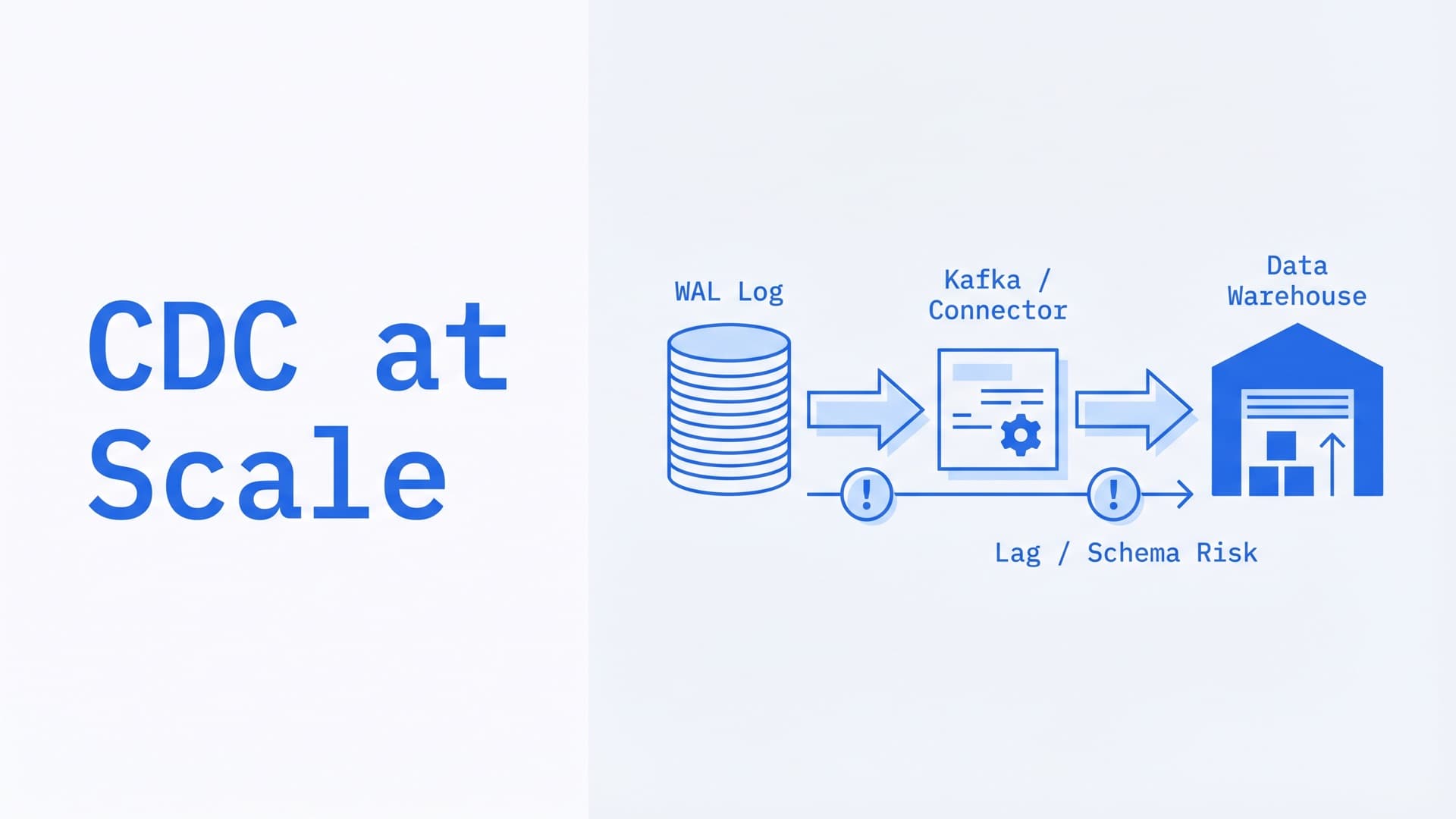
CDC at Scale: Debezium, Flink CDC, and the Real-Time Replication Problem
CDC looks simple — stream row-level changes from database to warehouse. In production it's schema drift, replication slot management, and full resyncs every time DDL runs. The honest guide.
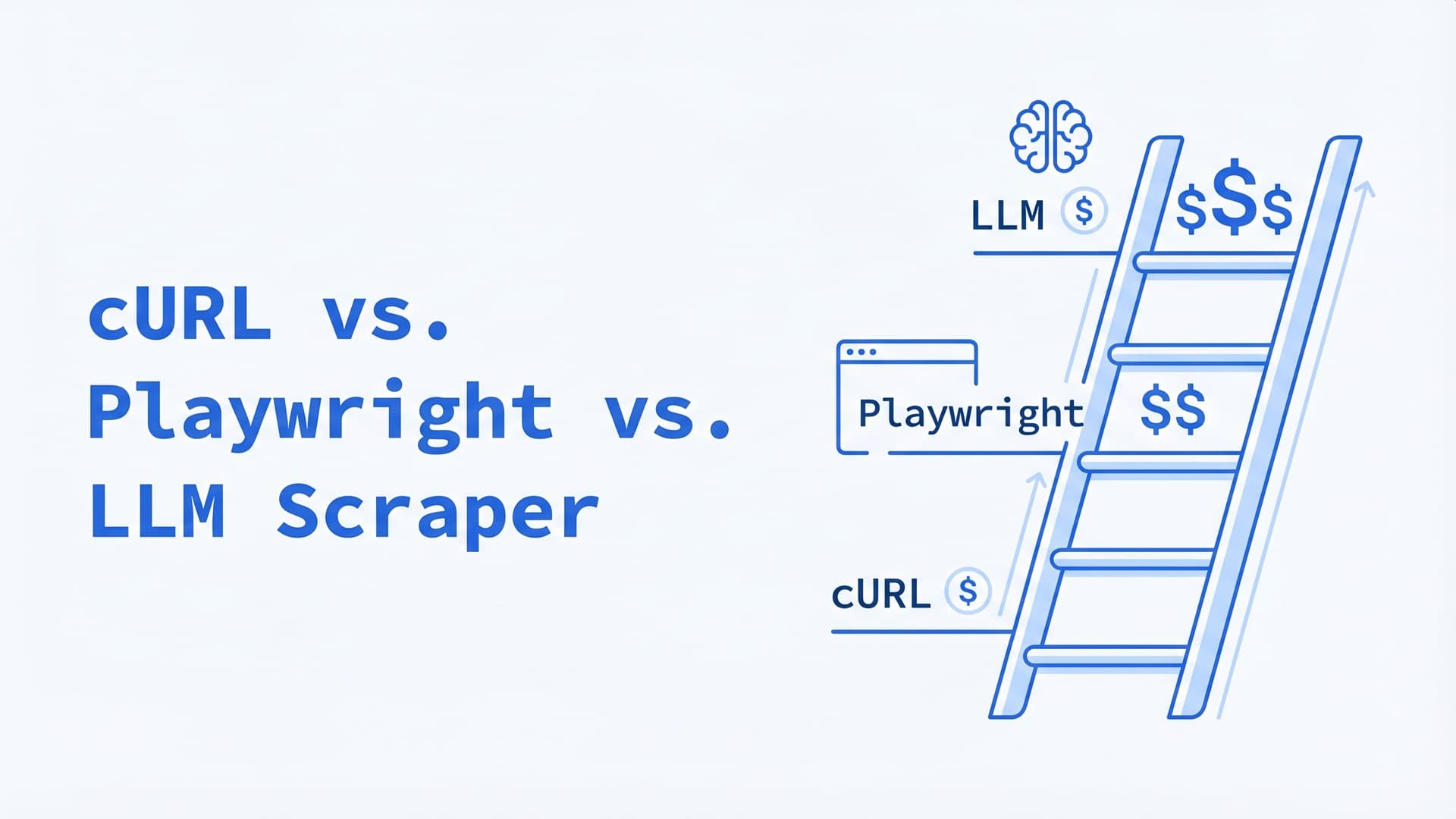
cURL vs. Playwright vs. LLM Scraper: A Decision Tree for 2026
Same scraping job costs $5, $150, or $6,000/month depending on the tool you pick. A 4-step decision tree for choosing between HTTP clients, headless browsers, and LLM-native scrapers in production.
You might also need
Ready to talk?
No pitch deck. No sales team. You'll talk directly to an engineer who's done this before.