Blog
Technical insights from a senior engineering team in production since 2009. Kubernetes, data pipelines, AI agents, DevOps, and engineering leadership.
Posts
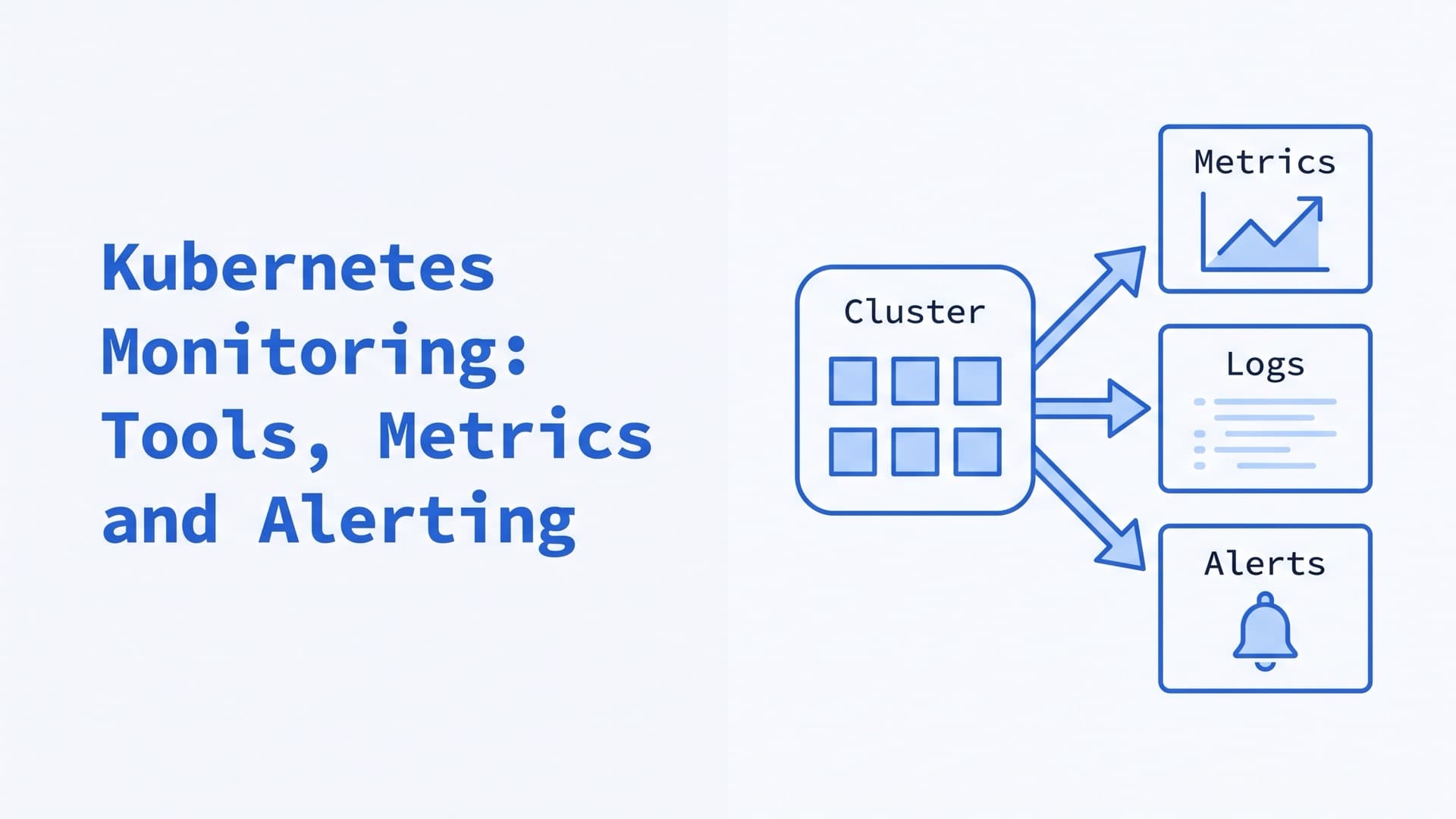
Kubernetes Monitoring: Tools, Metrics and Alerting
How to monitor Kubernetes in 2026: what to watch, where each metric comes from, monitoring and observability tools, alerts, costs, and the stack we run.
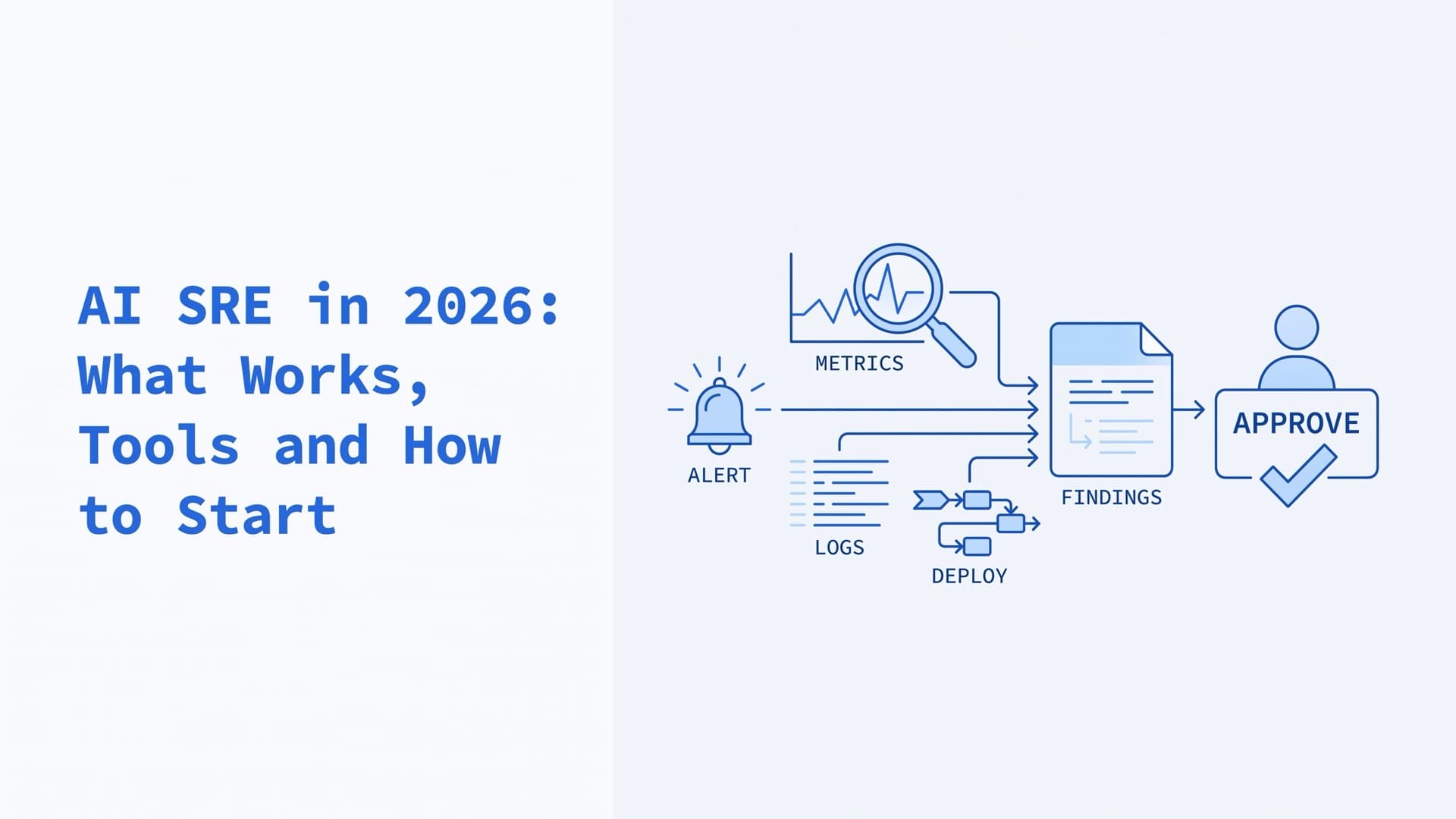
AI SRE in 2026: What Works, Tools and How to Start
What an AI SRE does well in 2026, where it fails, the main tools with no rankings, and how to test one on your own past incidents before you trust it.
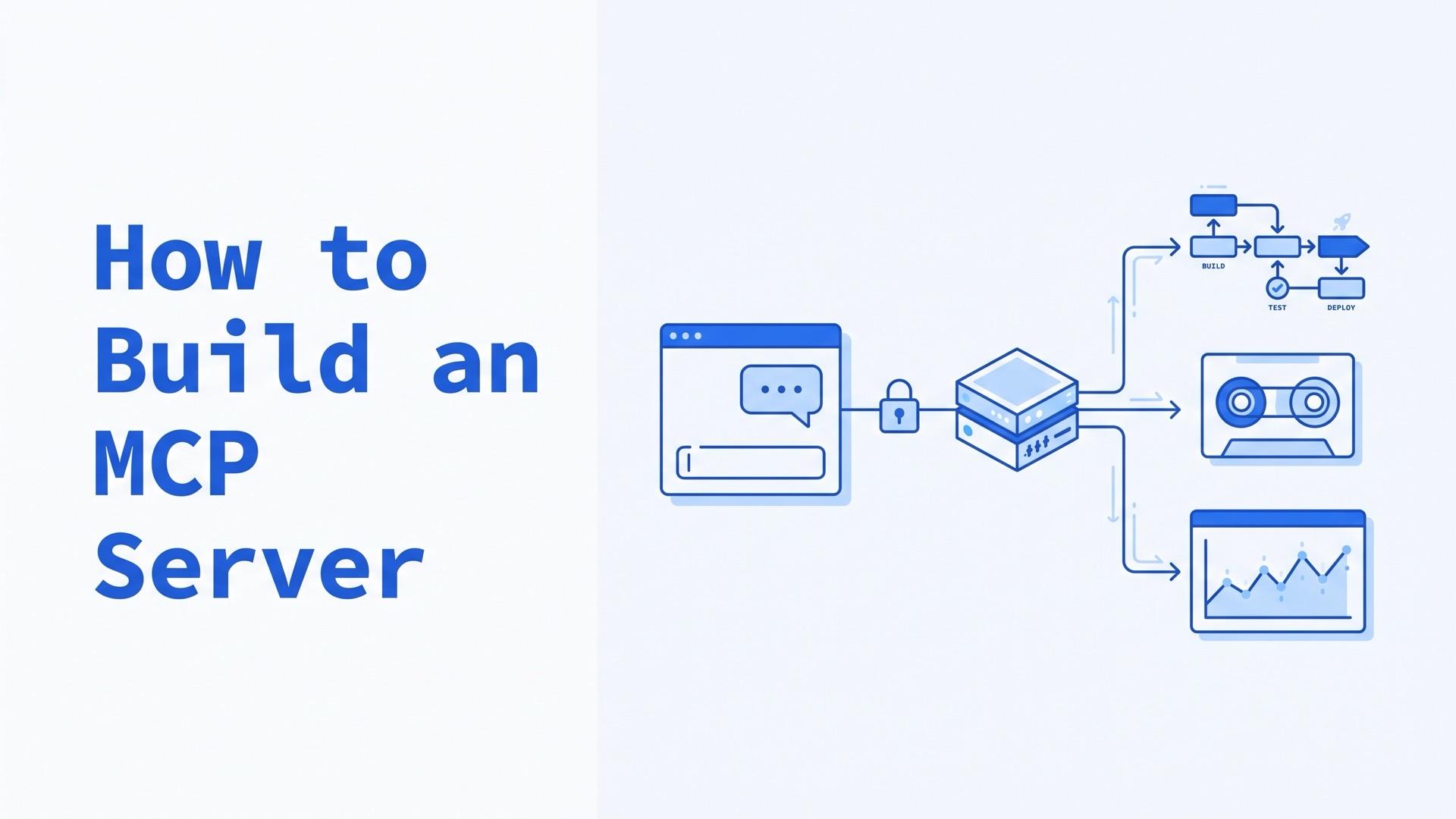
How to Build an MCP Server: Python, Auth, Hosting
Build a working MCP server in one Python file, connect it to Claude, then add auth, safe tools and hosting. Written for the 2026-07-28 spec and SDK v2.
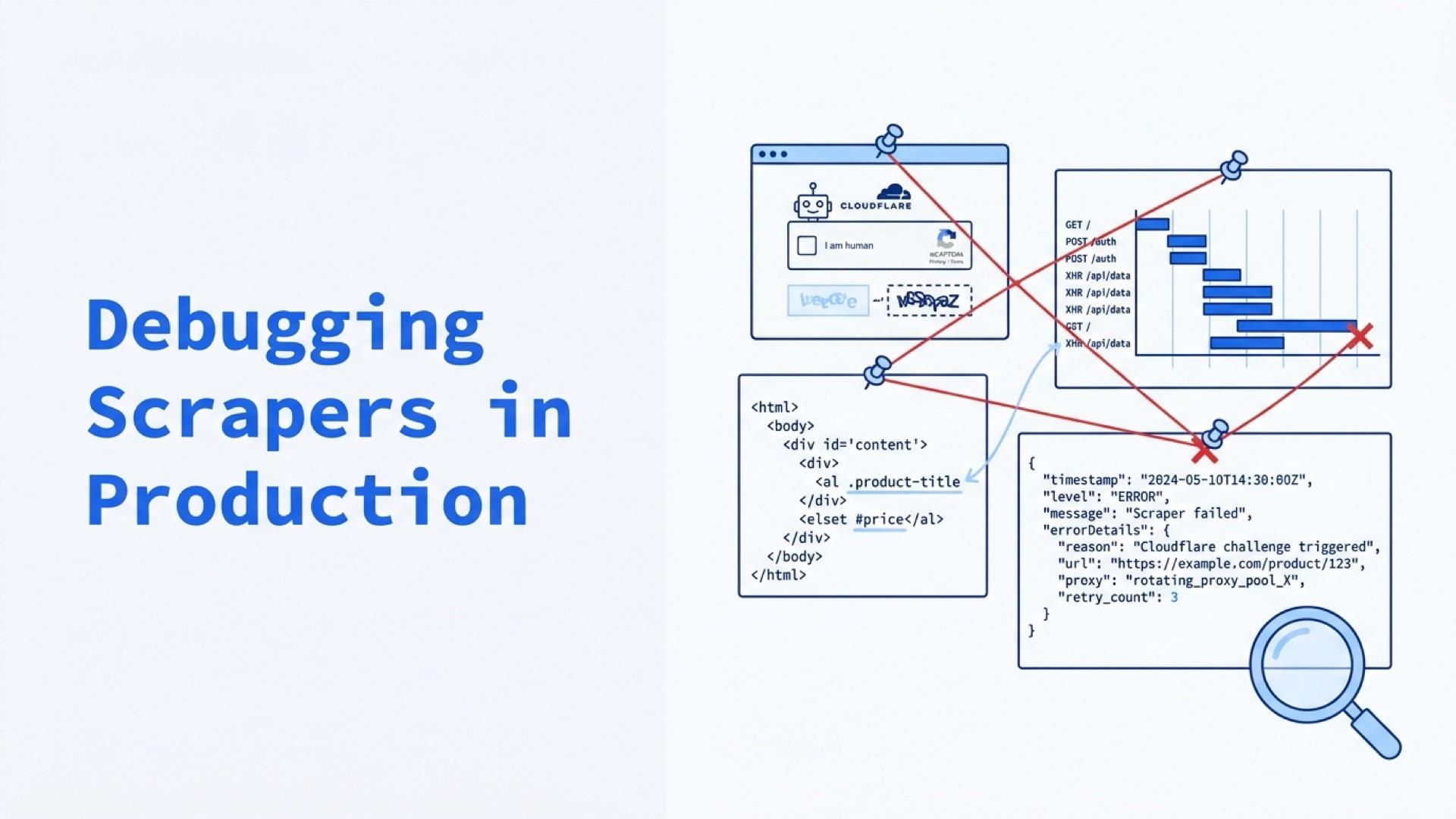
Debugging Scrapers in Production: Logs, Screenshots, Video Replay, and Failure Forensics
Status codes aren't evidence. Screenshots, DOM snapshots, Playwright traces, and structured logs are. The Evidence Bundle pattern for turning scraper failures from hours of investigation into dashboard queries.
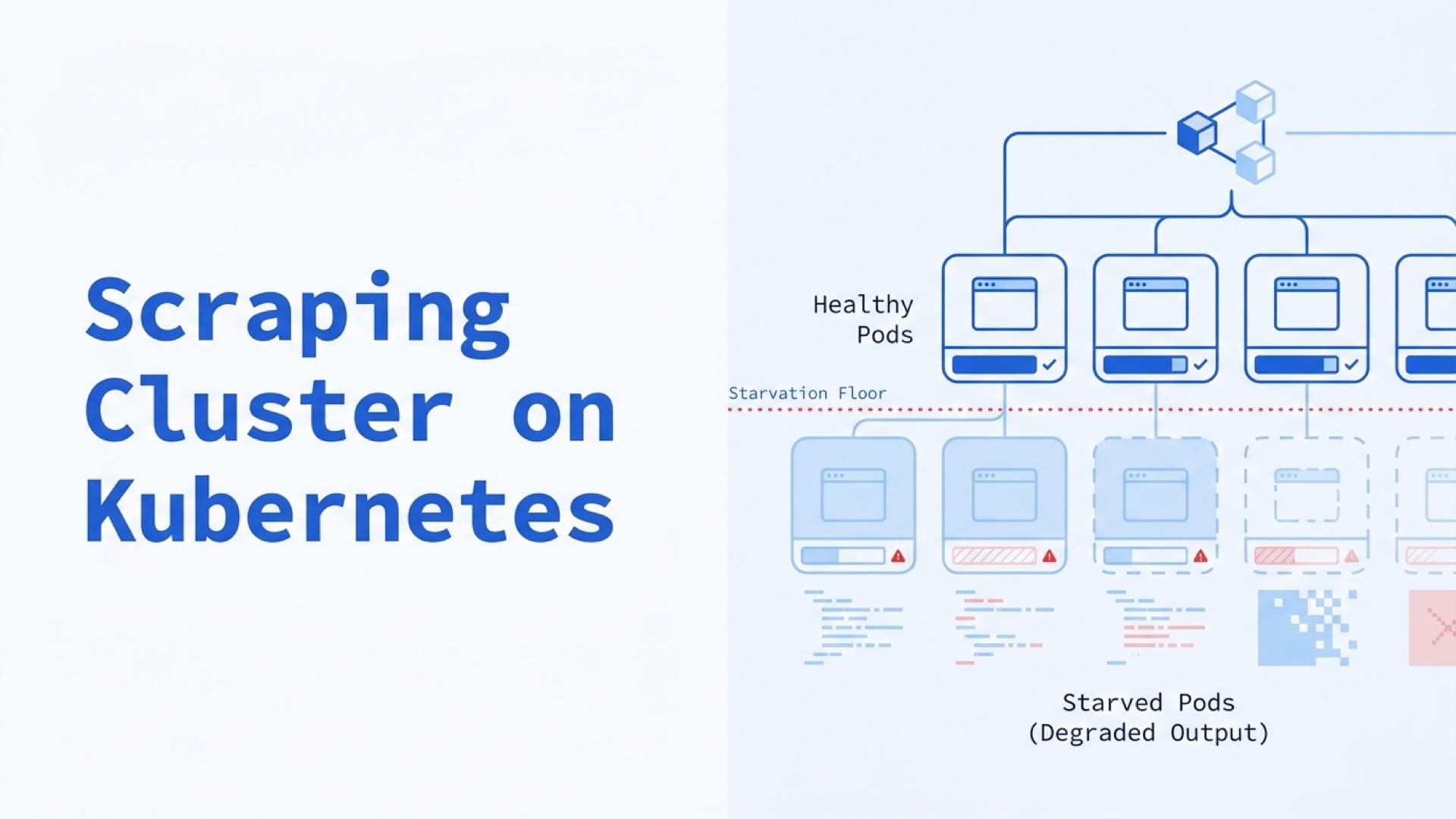
Building a Scraping Cluster on Kubernetes: Resource Management and Cost
Starved Chromium doesn't crash — it produces garbage. A production guide to sizing, scaling, and costing Playwright and Puppeteer clusters on Kubernetes for 500K–5M pages a day.
How to Leverage Fractional Kubernetes Support as an Affordable IT Solution for Small-Medium Businesses
Want to implement Kubernetes but need support without hiring full-time in-house experts?
How to Help Ensure 24/7 Uptime in Healthcare with Fractional Kubernetes Incident Response
In the high-stakes environment of healthcare, system downtime is not just inconvenient — it can be life-threatening.
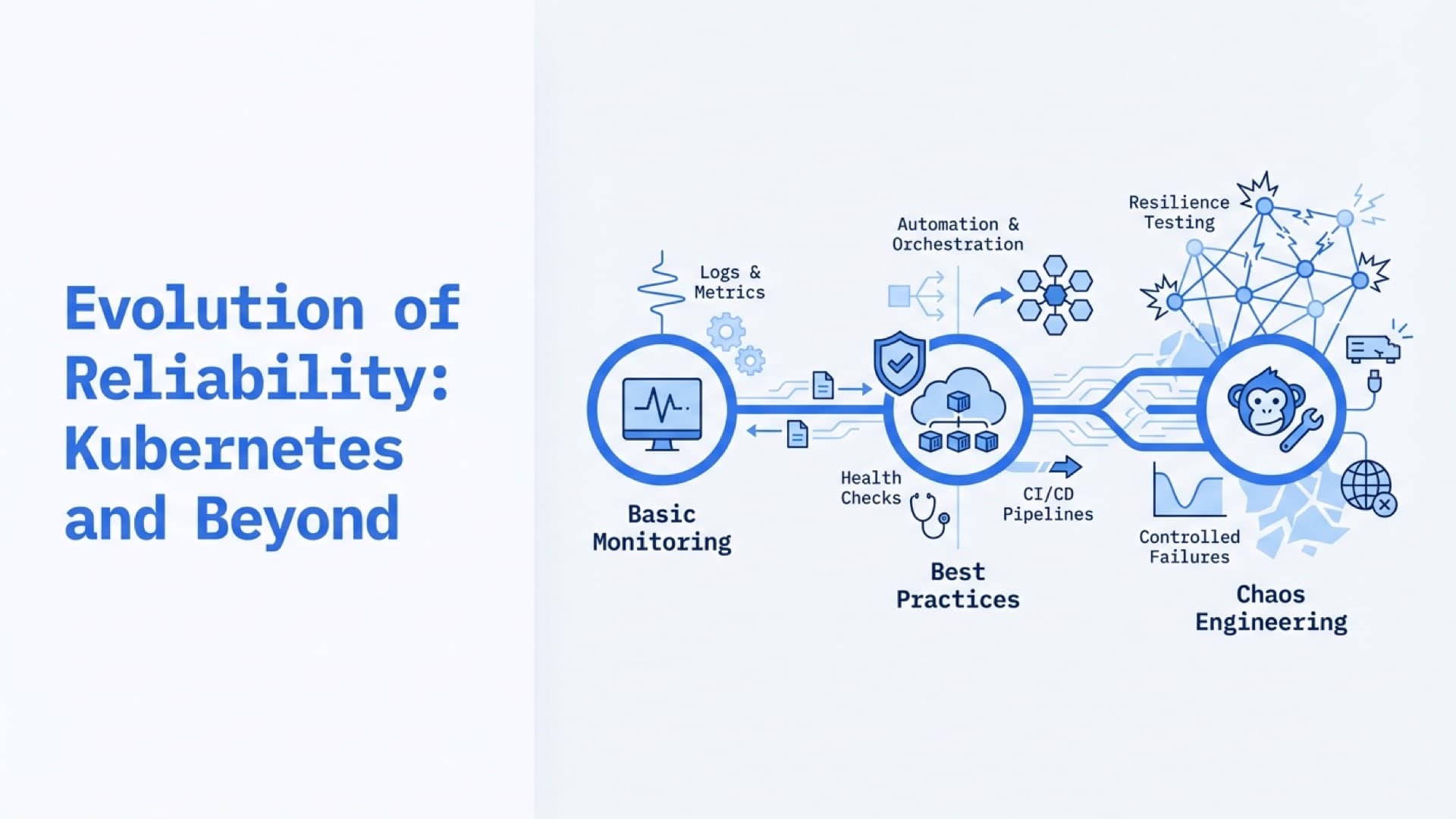
Evolution of Reliability: Kubernetes and Beyond
Kubernetes has undeniably become the de facto standard for container orchestration.
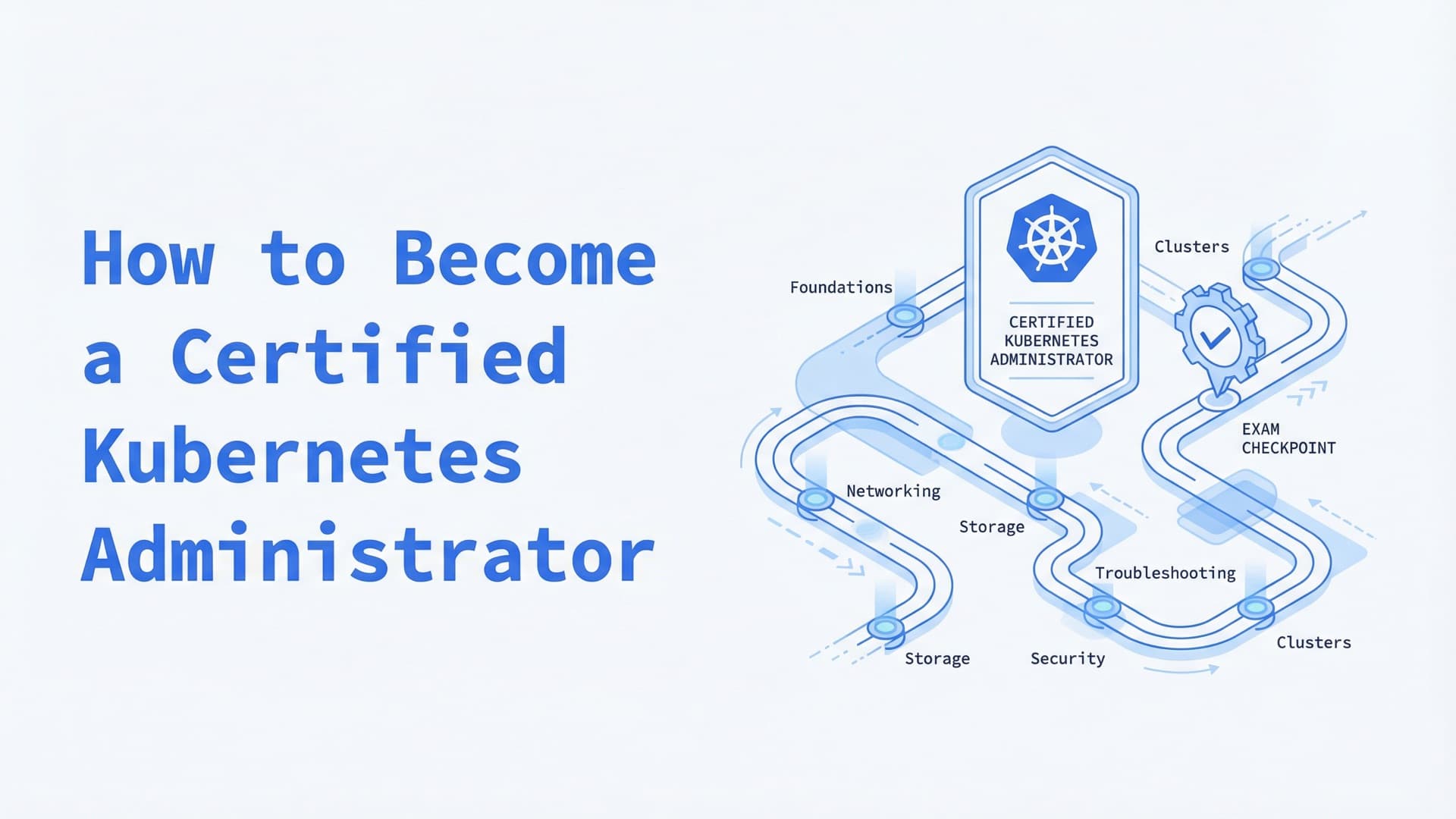
How to become a Certified Kubernetes Administrator
Kubernetes has been a major trend in the world for the past 5 years.
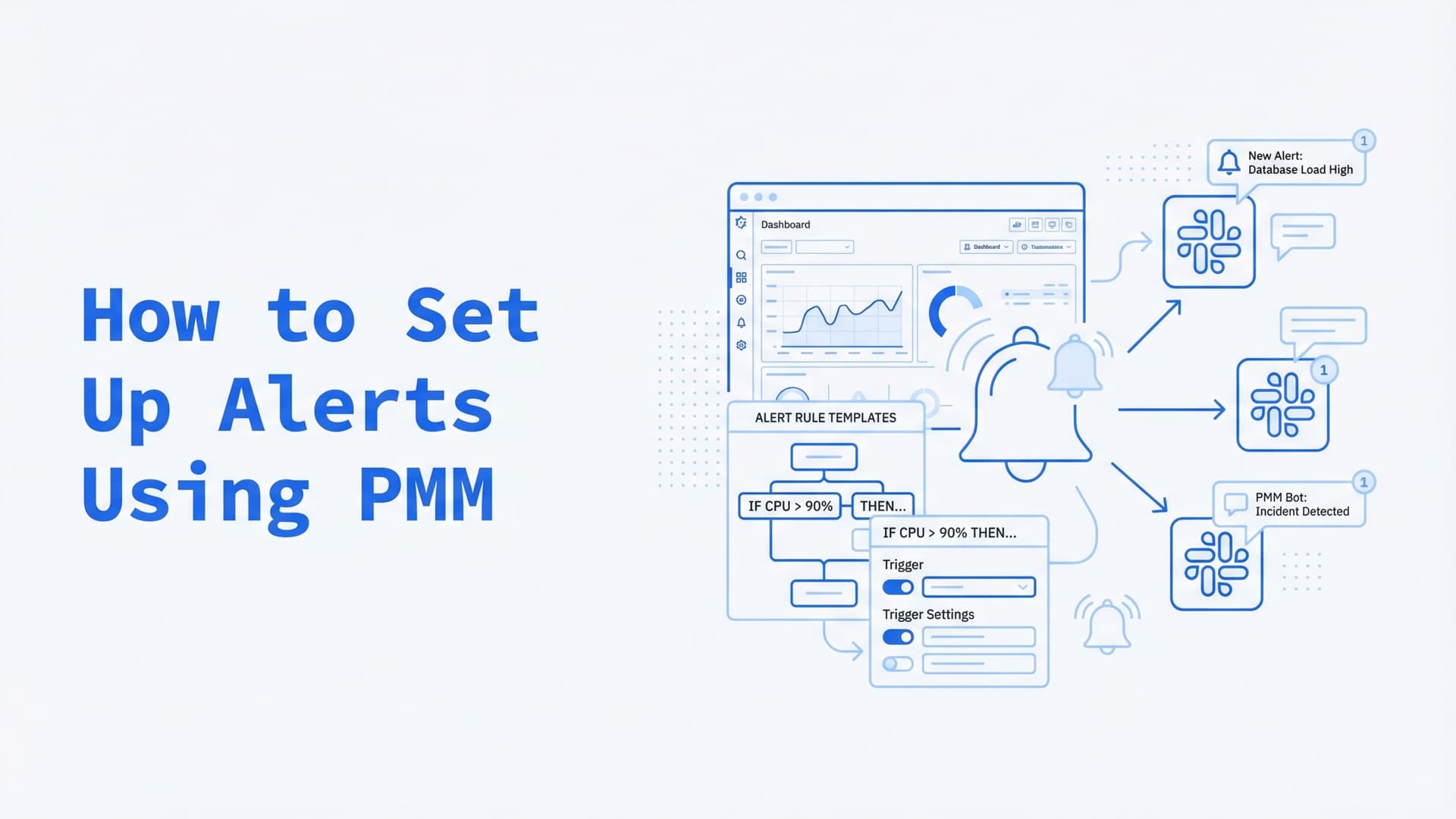
How To Set Up Alerts Using PMM
Percona Monitoring and Management allows you to set different alerts related to your infrastructure.
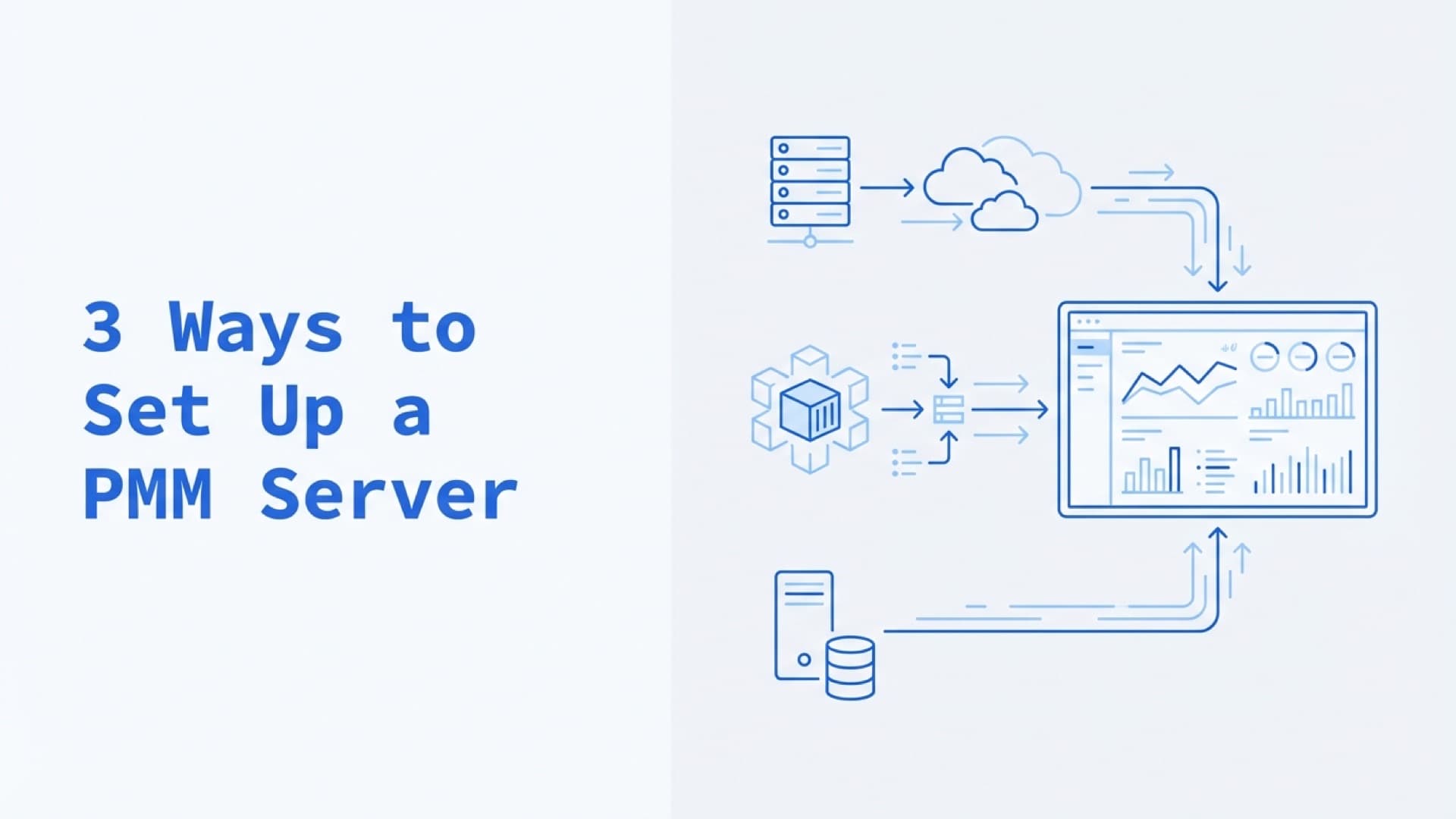
3 Ways To Set Up A PMM Server
This method involves self-configuring everything you need on a virtual machine in the Linode cloud, with all the complexities and peculiarities that come...
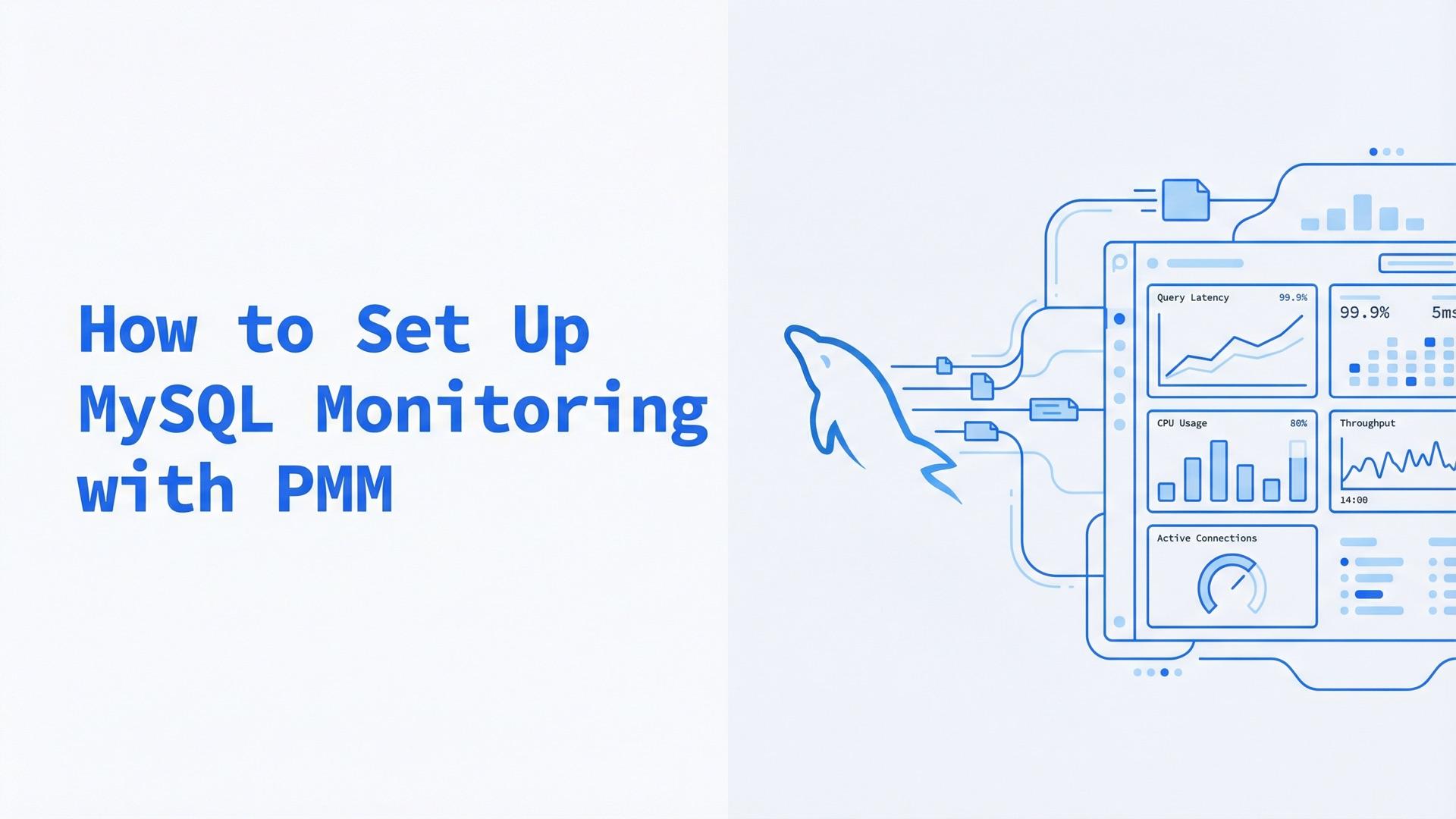
How To Set Up MySQL Monitoring With PMM
Before you start setting up PostgreSQL to be connected to PMM monitoring, you need to have a PMM Client and register it on the PMM Server. Let's do it.
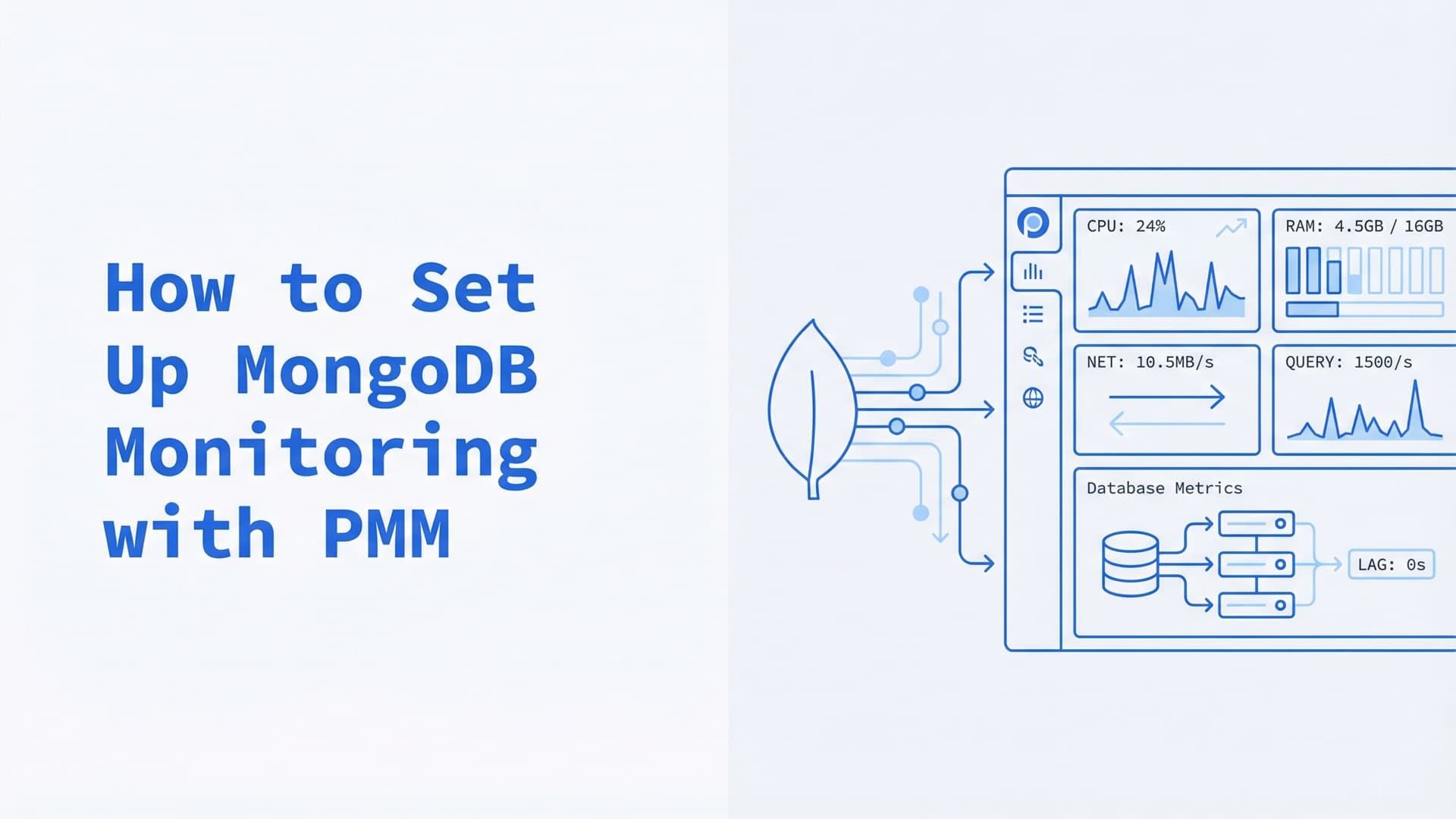
How To Set Up MongoDB Monitoring With PMM
Before you get started setting up MongoDB to connect to PMM monitoring, you need to have a PMM Client and register it on the PMM Server. Let's do it.
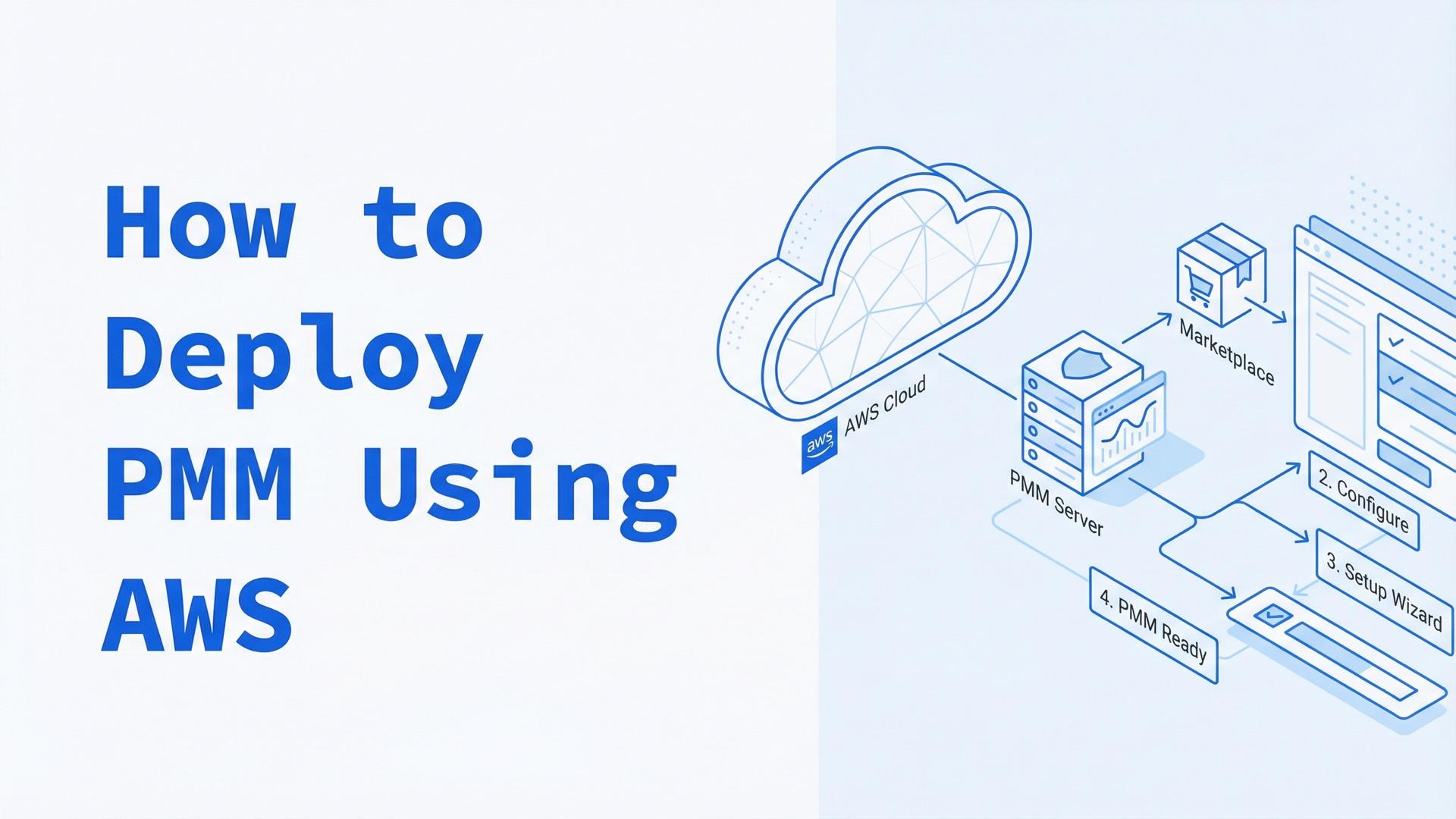
How To Deploy PMM Using AWS
Here is a small HowTo about installing the Percona Monitoring and Management (PMM) server using the AWS Marketplace.
How To Enable SSL For PMM Server
This article assumes you have already installed PMM on your machine.
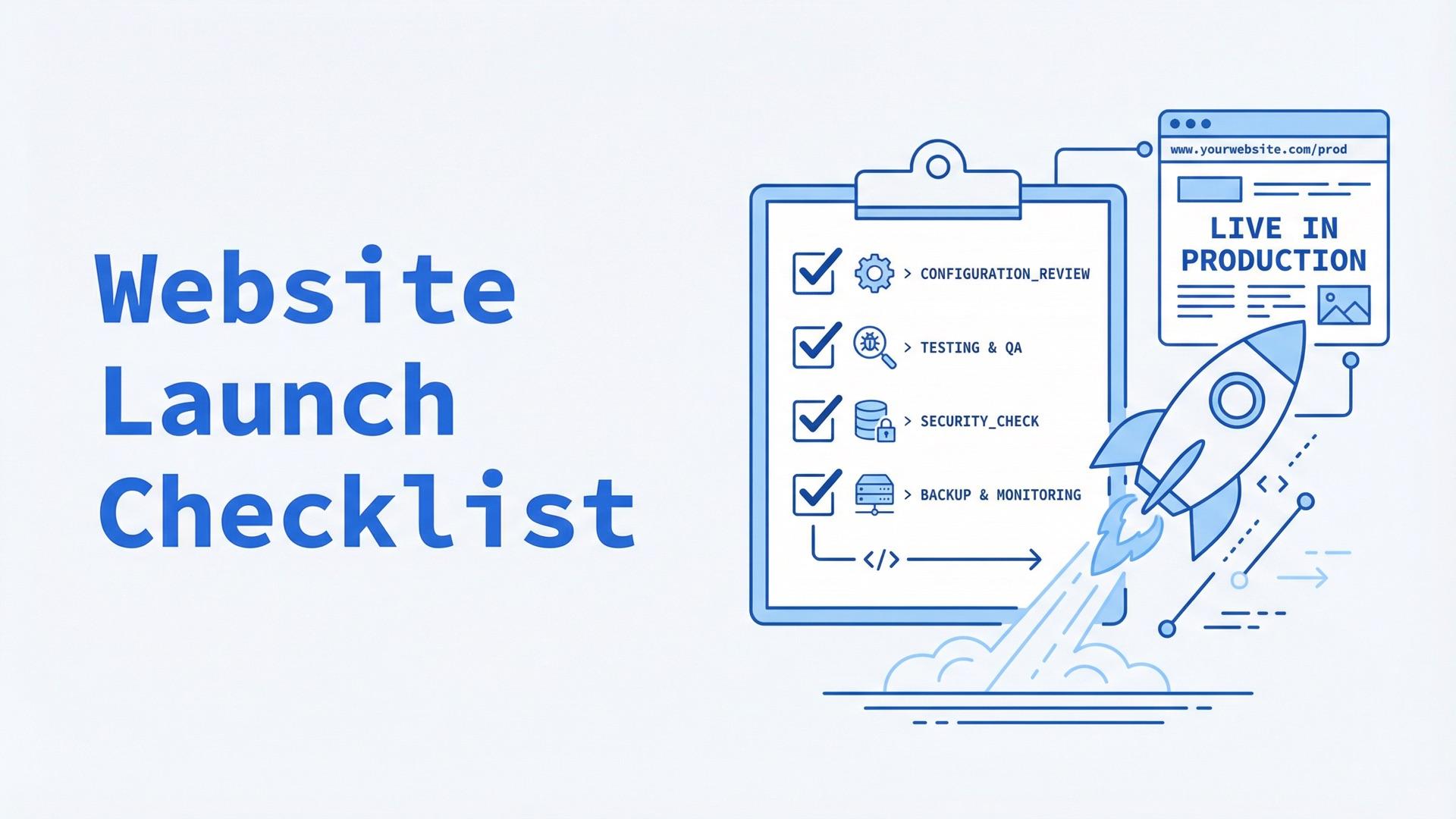
Website launch checklist
This is a generic checklist of things to check before deploying any public-facing website.
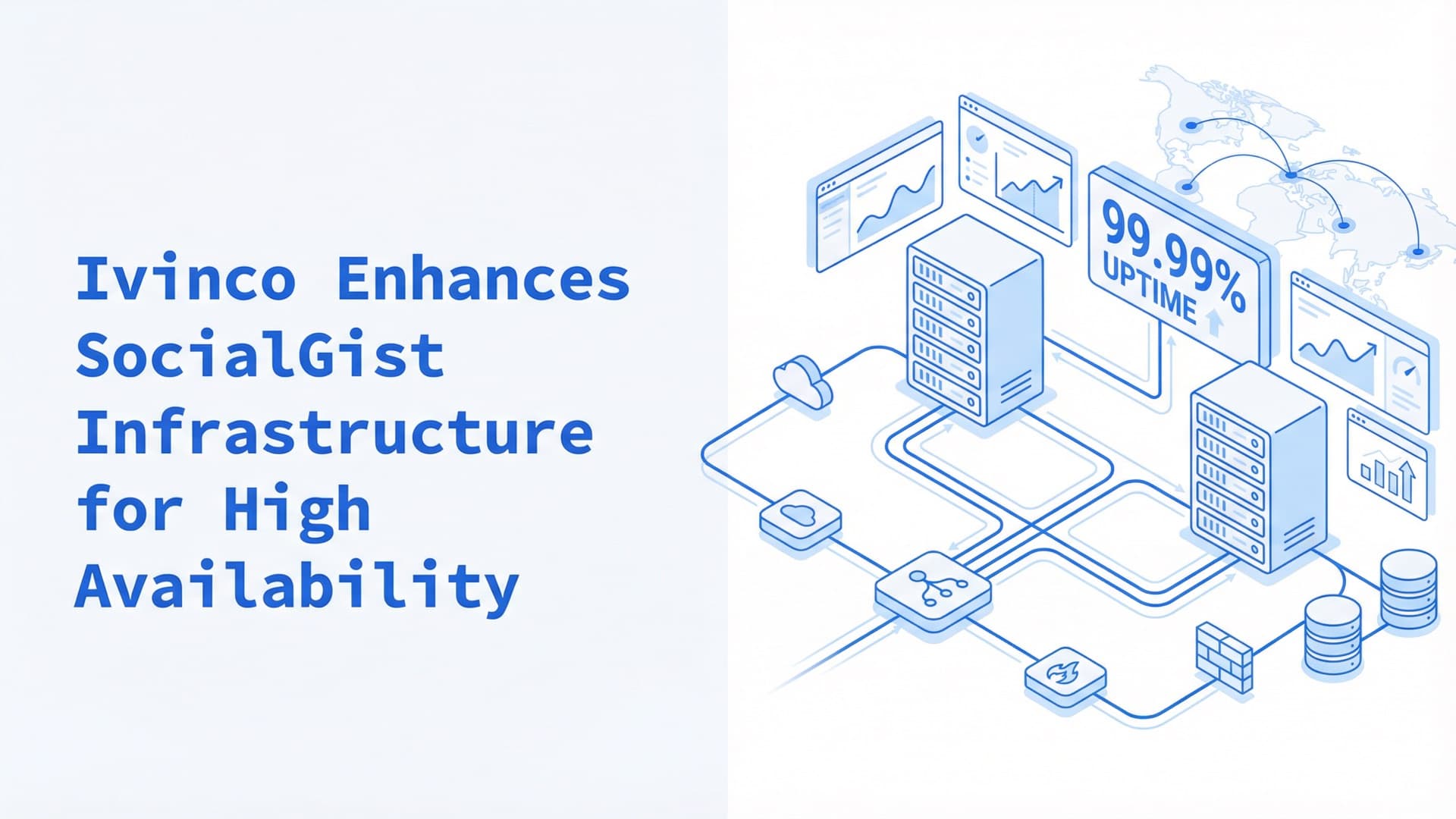
Ivinco Enhances SocialGist Infrastructure for High Availability and Improved Performance
Socialgist is a data service provider that specializes in collecting, processing, and delivering social media data and other user-generated content from...
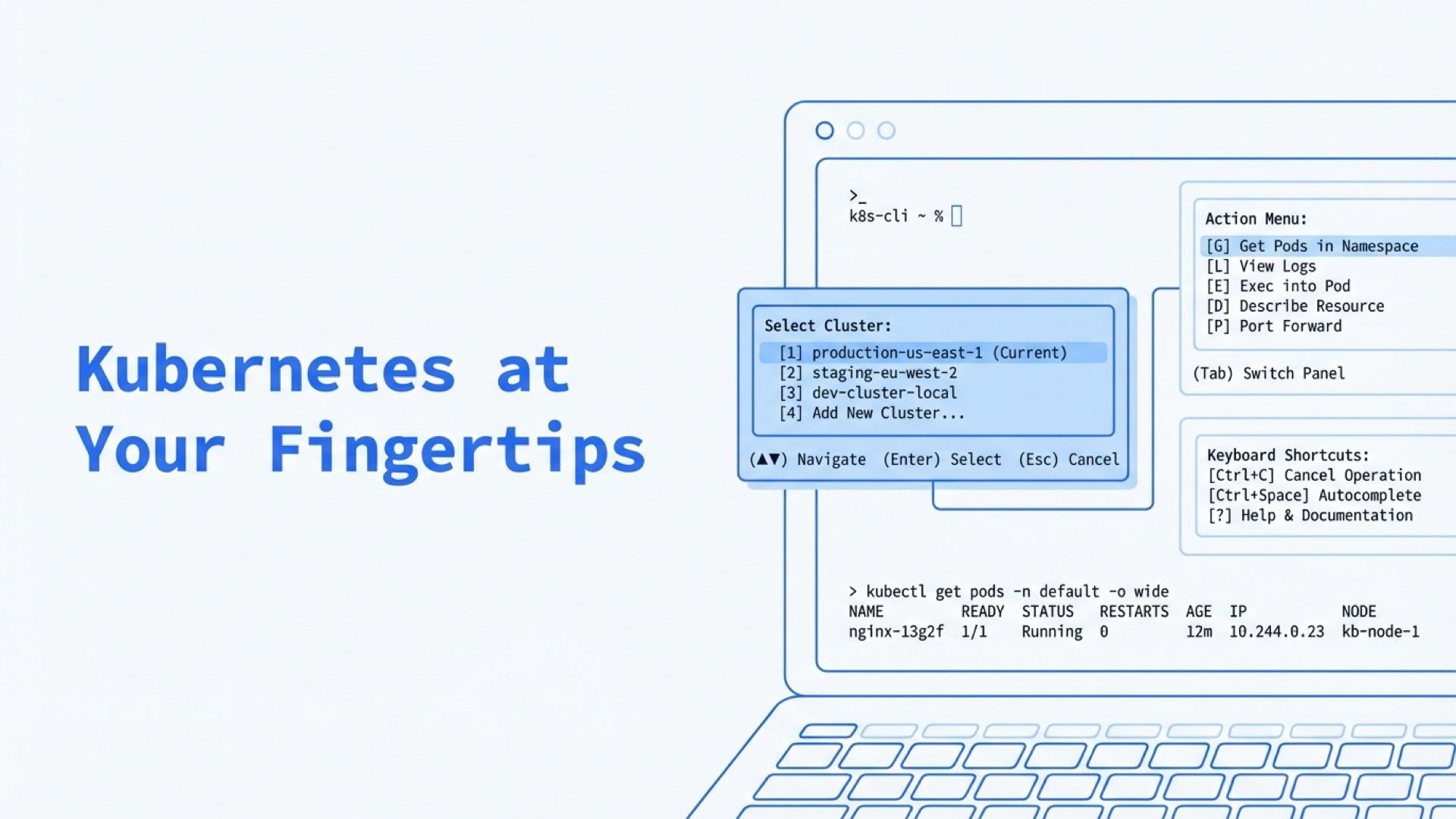
Kubernetes at Your Fingertips
Kubernetes, a powerful container orchestration platform, has become the go-to choice for managing and scaling applications.
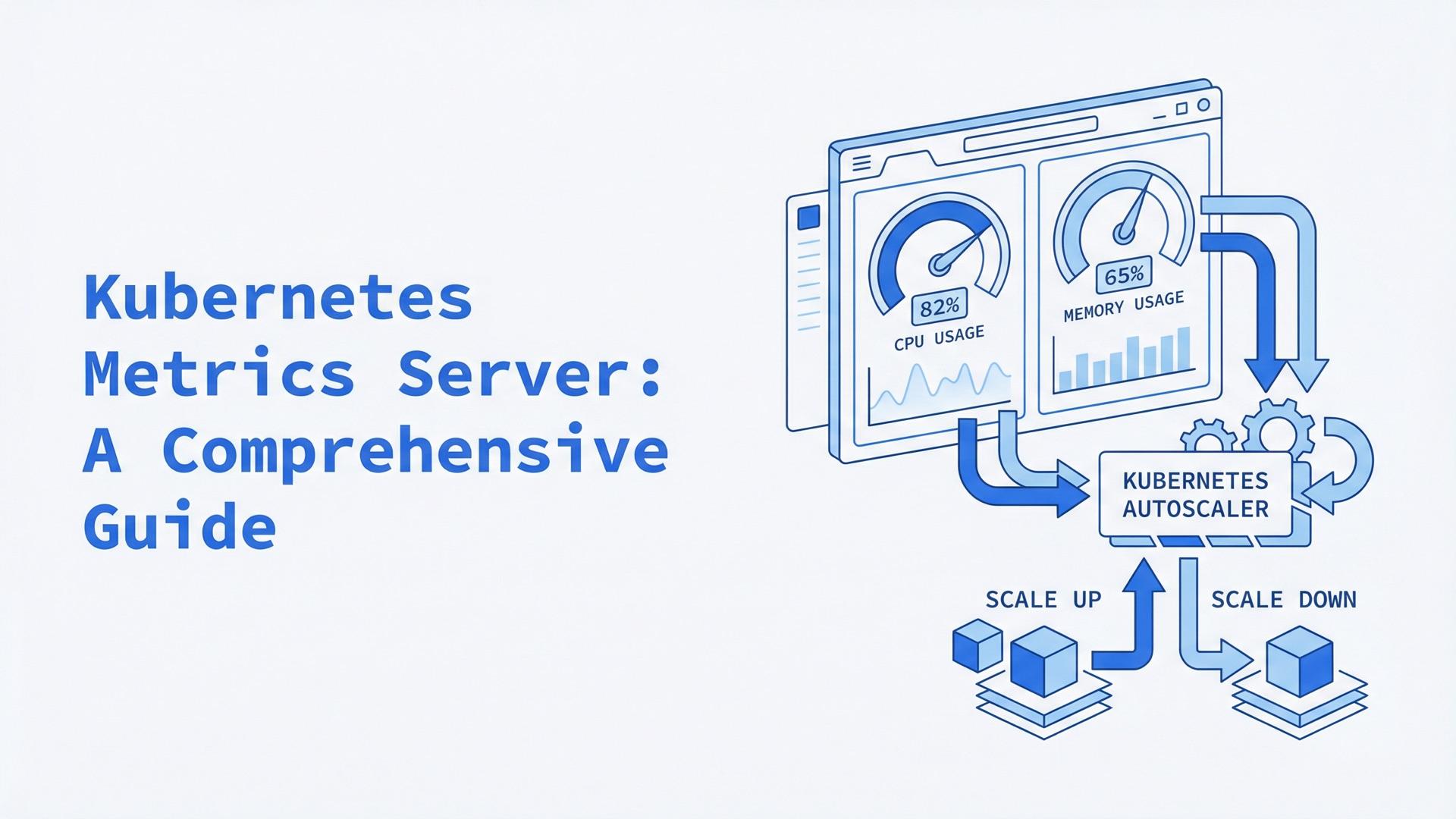
Kubernetes Metrics Server: A comprehensive guide
The advancement in computing has allowed for the growth and development of numerous technologies that enable businesses to improve their efficiency and...
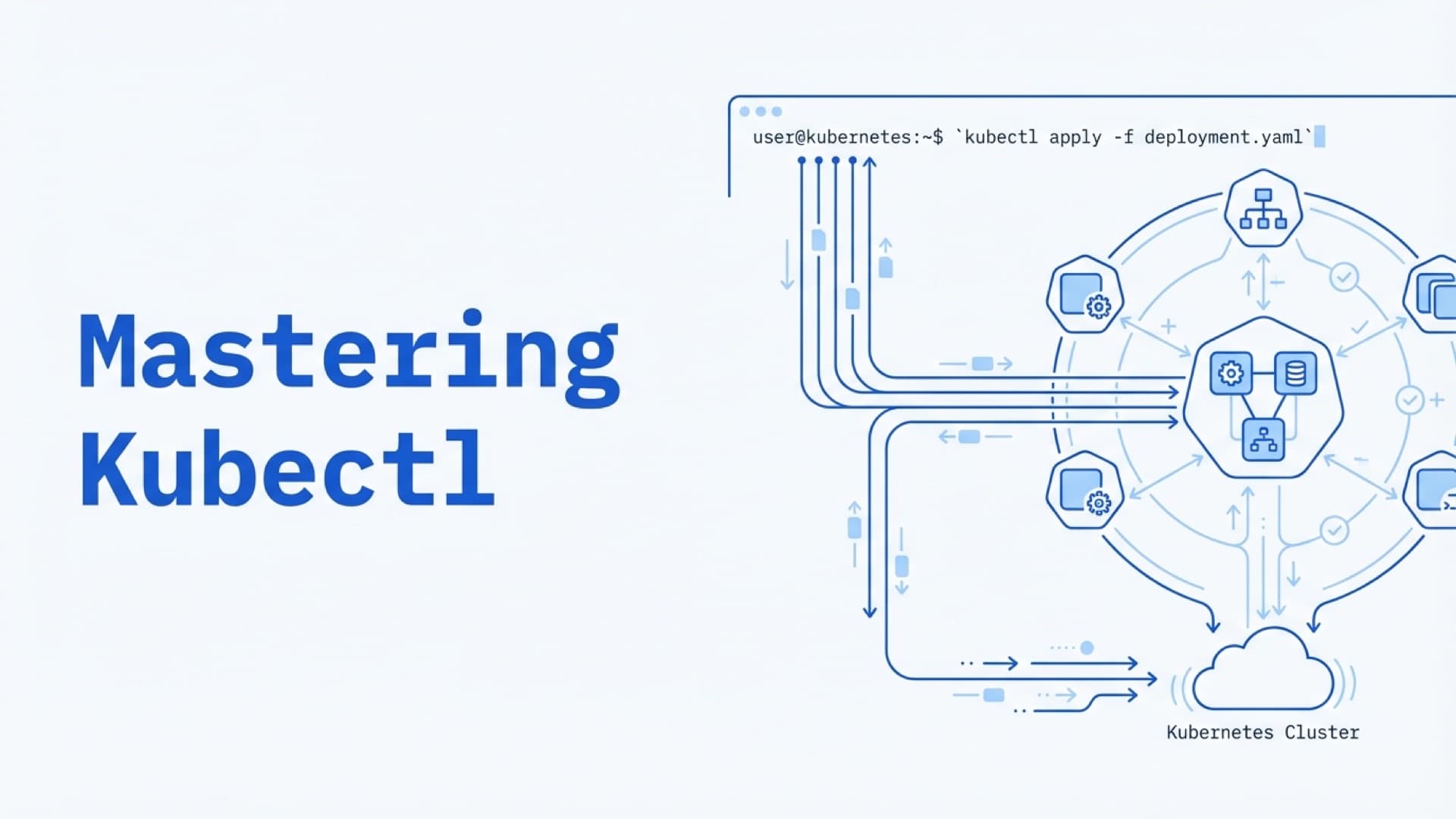
Mastering Kubectl: A Comprehensive Guide to Command Line Kubernetes Management
Kubernetes, often abbreviated as K8s, is a powerful open-source system for automating deployment, scaling, and management of containerized applications.
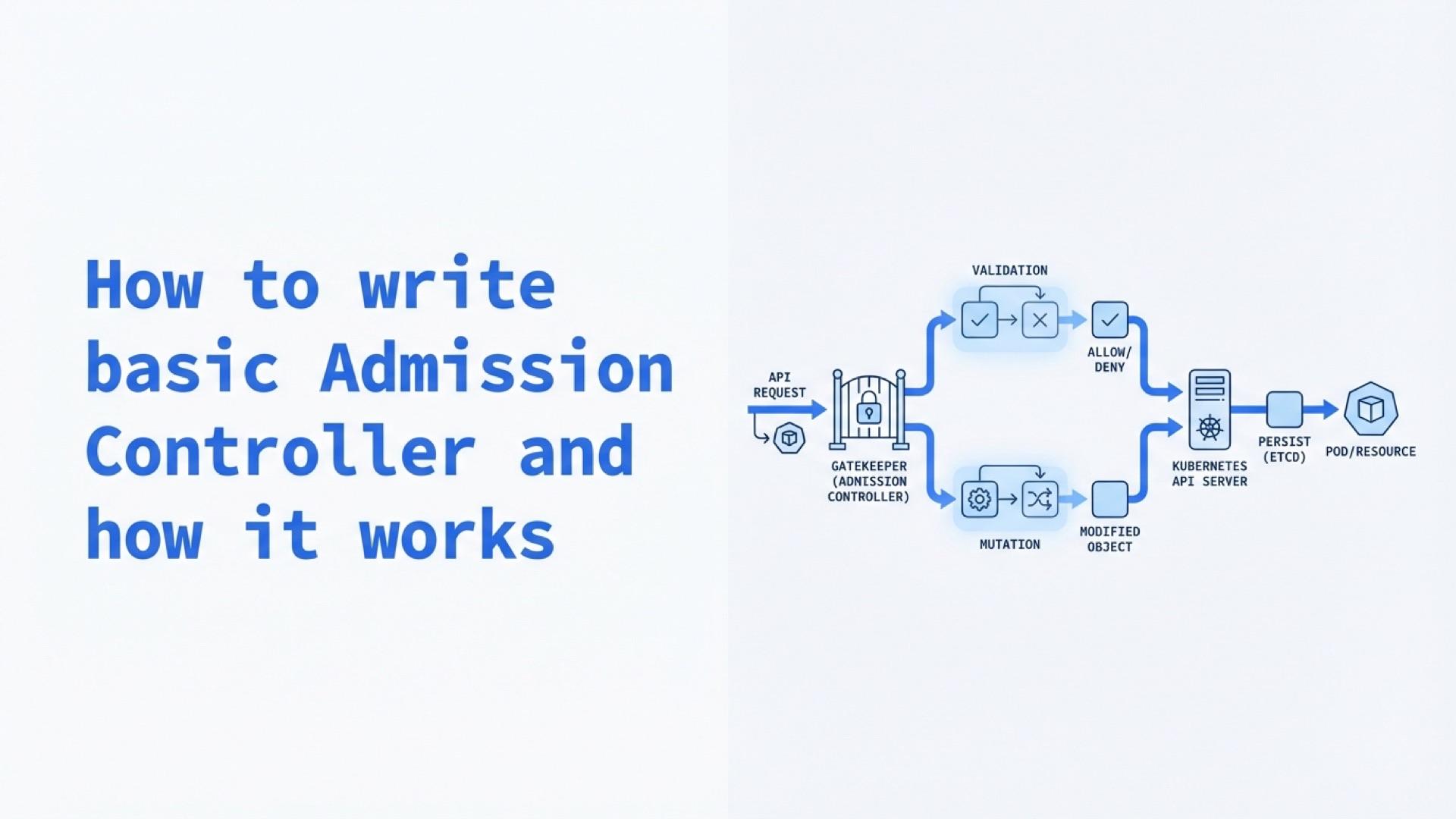
How to write basic Admission Controller and how it works
Kubernetes has become the de facto standard for container orchestration, providing a powerful platform for managing the deployment, scaling, and maintenance...
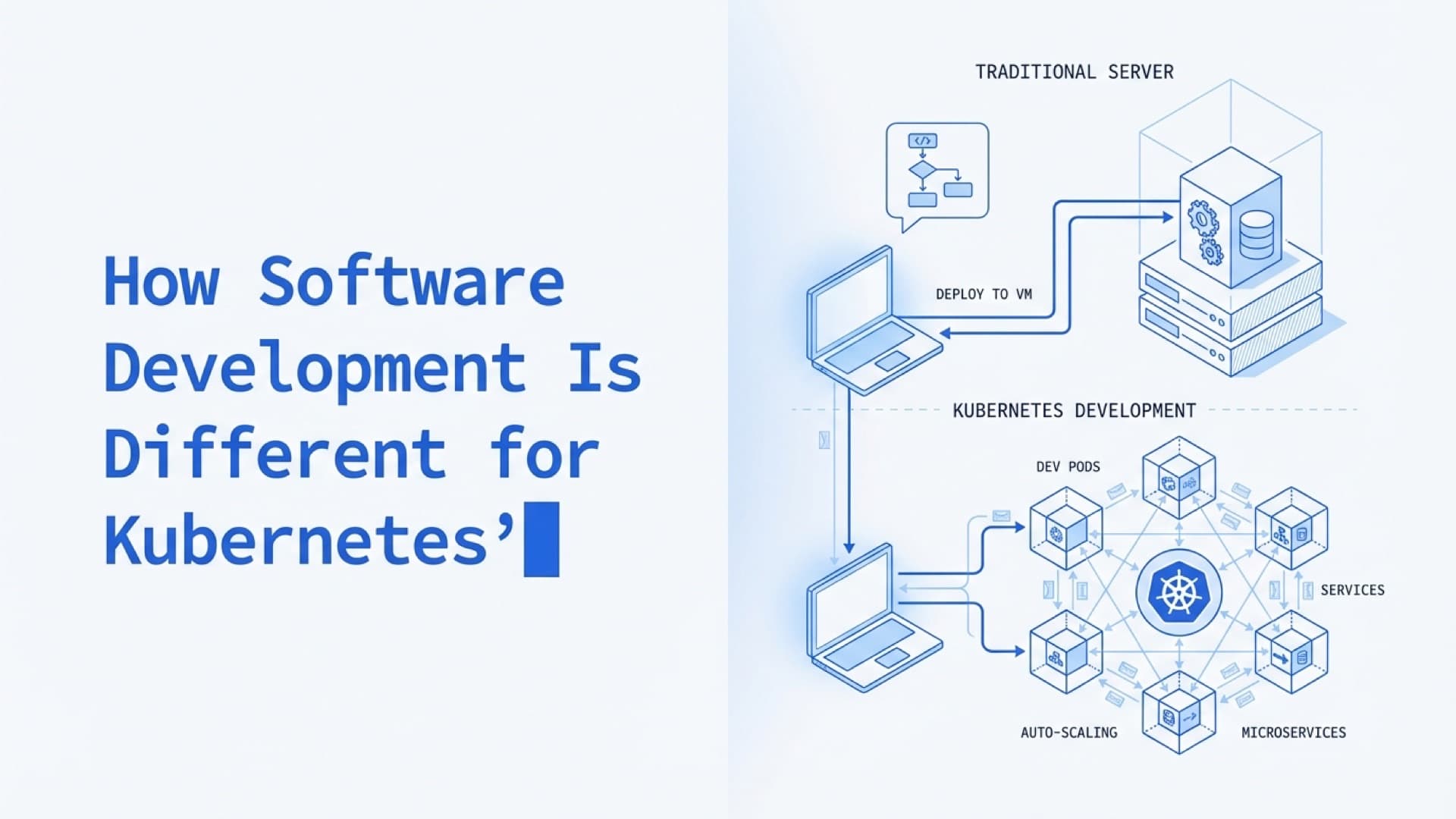
How software development is different when developing for Kubernetes
In recent years, Kubernetes (K8s) has emerged as a dominant platform for container orchestration.
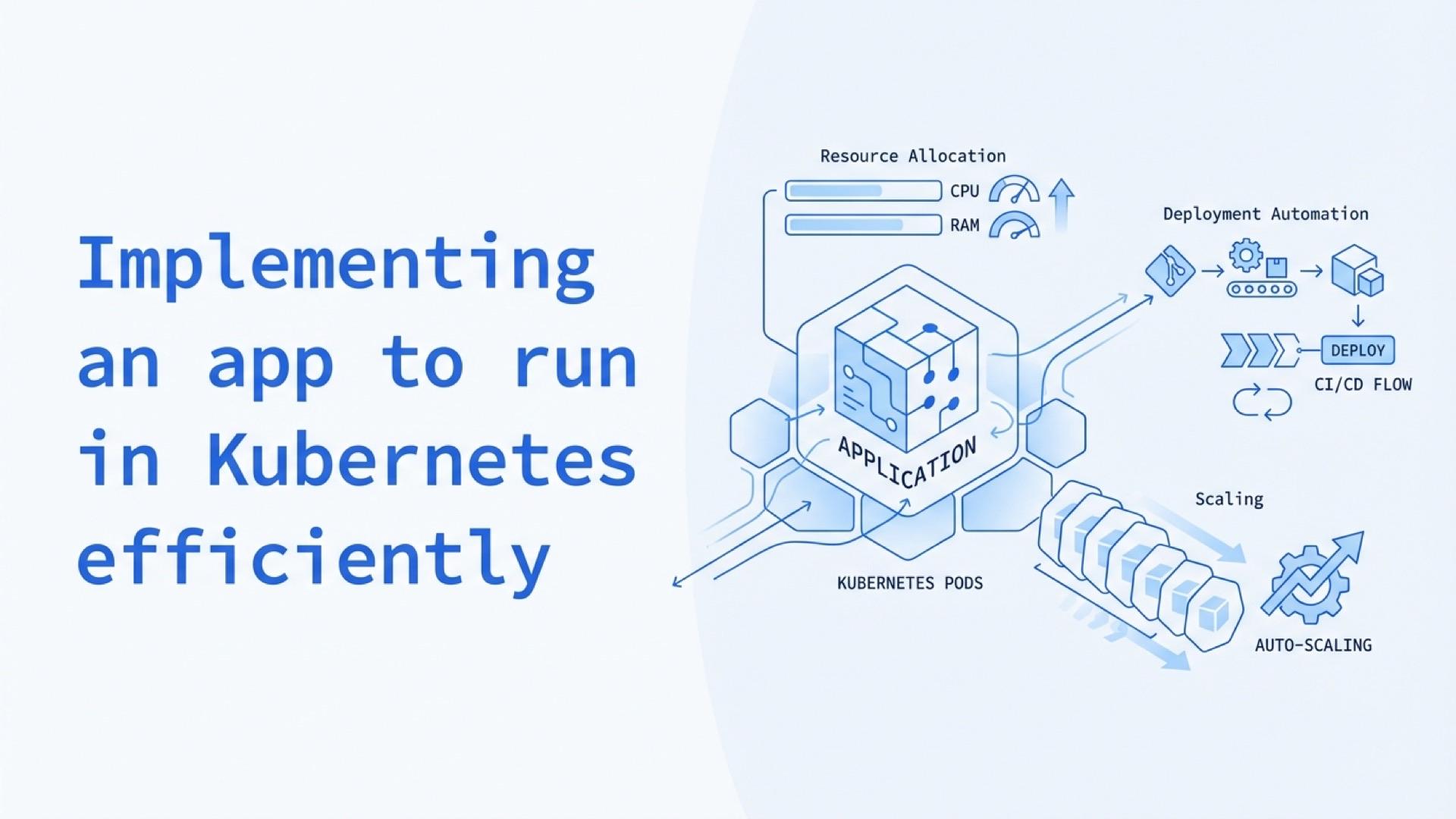
Implementing an app to run in Kubernetes efficiently
Kubernetes is a container-orchestration system for automating deployment, scaling and management of applications running on containers.
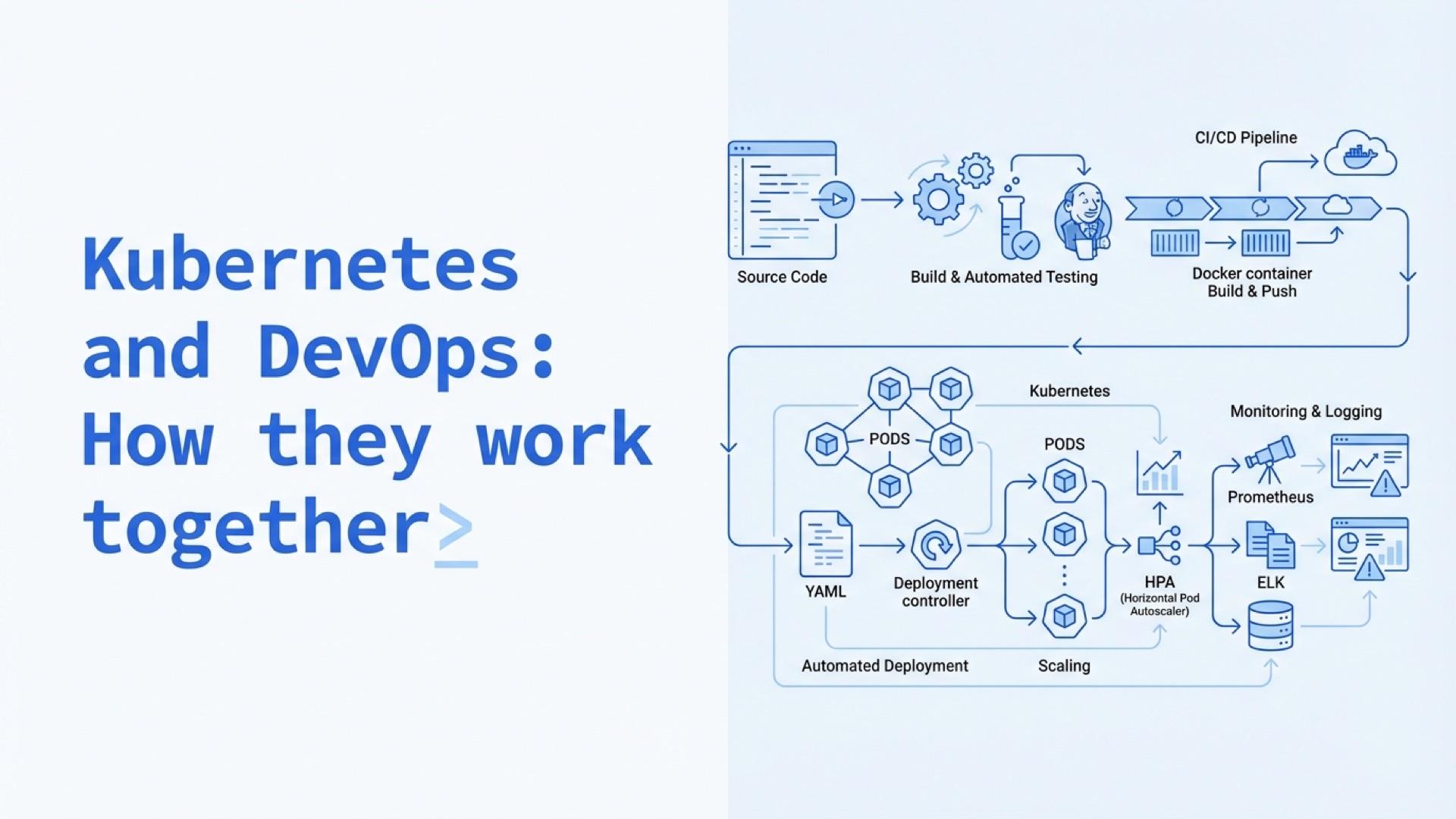
Kubernetes and DevOps: How they work together
DevOps has become an essential aspect of modern software development, helping organizations to accelerate their release cycles and improve their software...
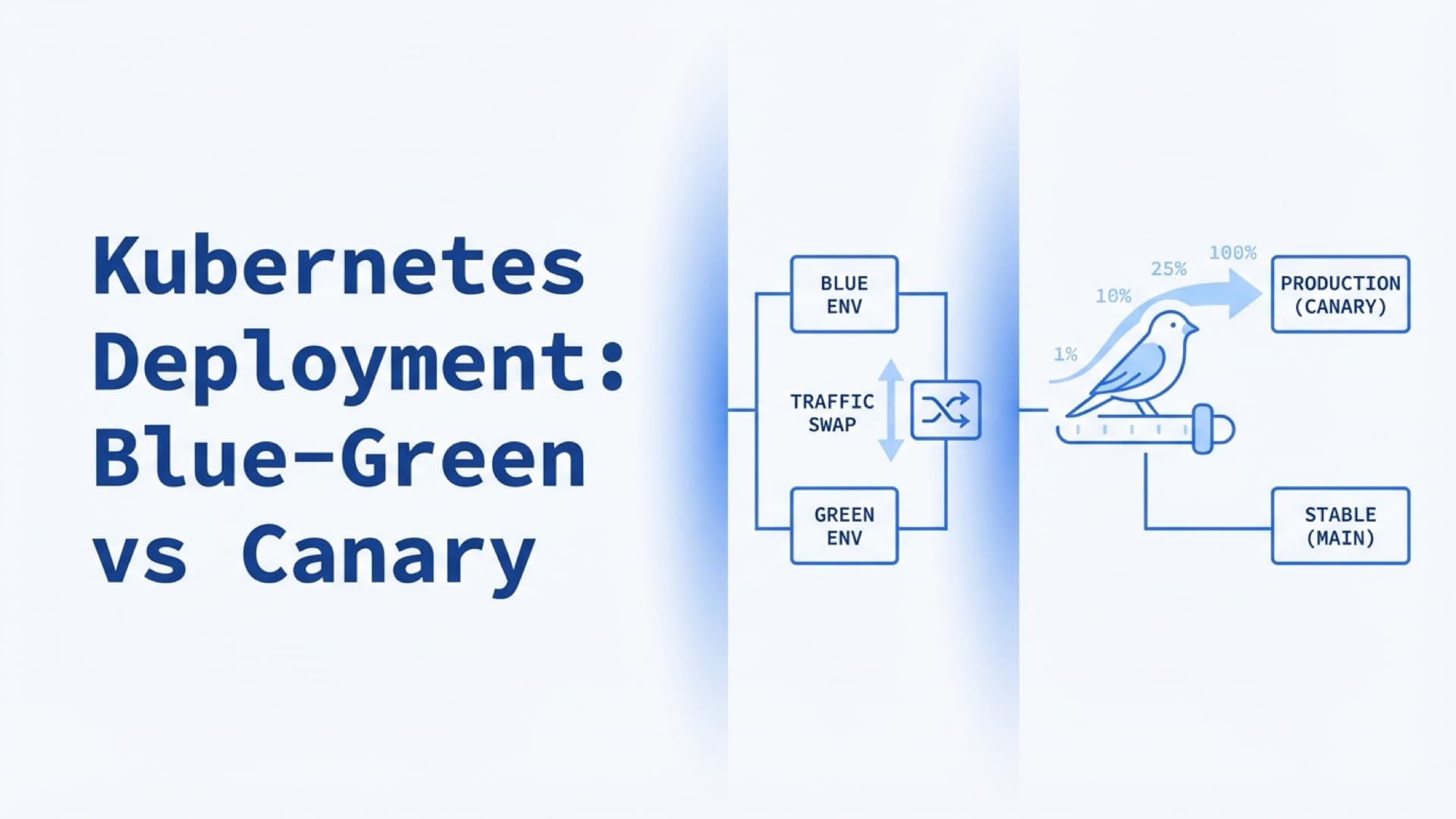
Kubernetes deployment strategies: Blue-Green vs. Canary
Understanding and implementing the best practices for deploying applications using Kubernetes is essential for ensuring application availability, minimizing...
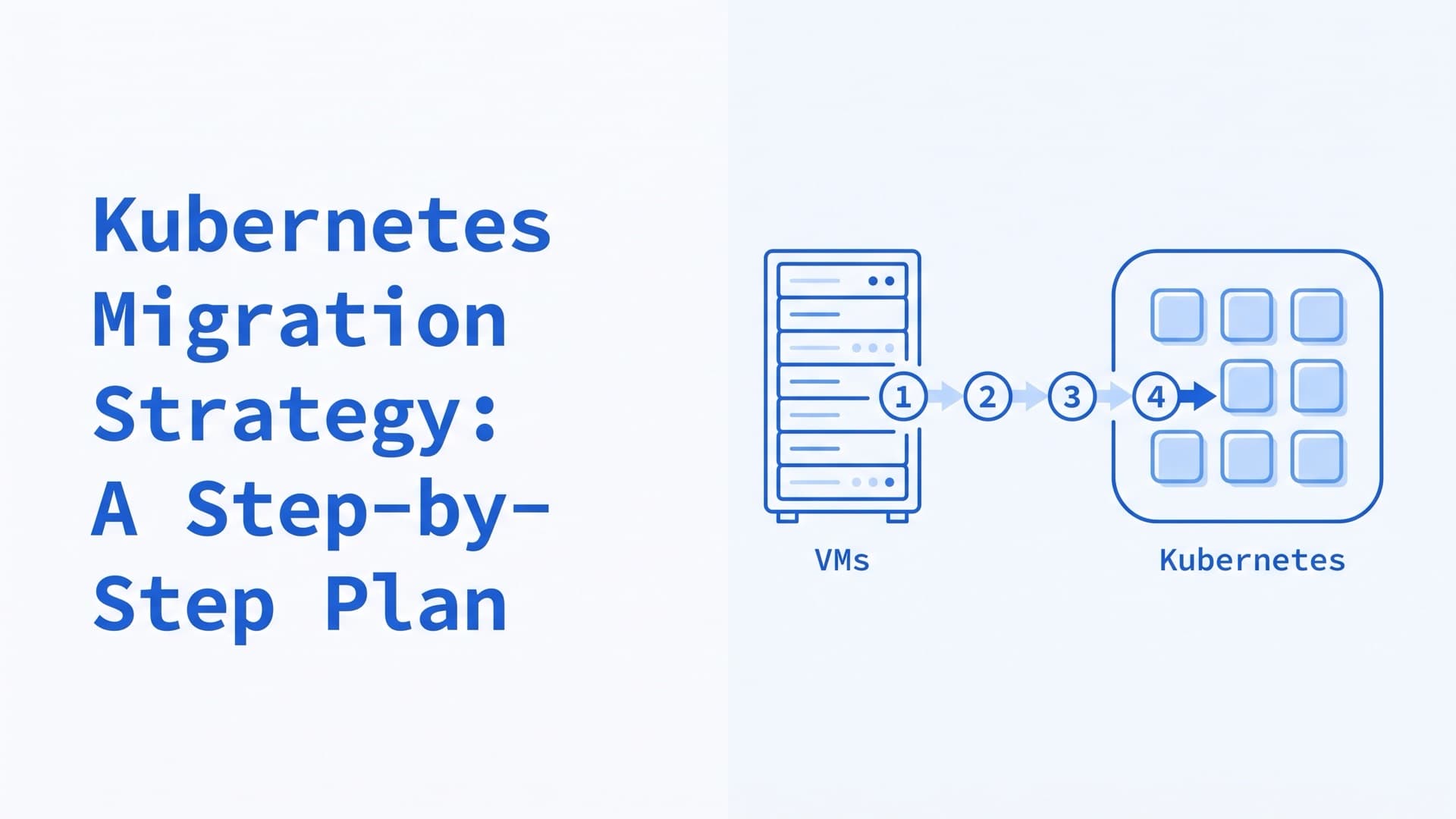
Kubernetes Migration Strategy: A Step-by-Step Plan
How to plan a Kubernetes migration in 2026: benefits and when not to migrate, the 7 Rs, a readiness checklist, cloud or on-prem, cutover and rollback.
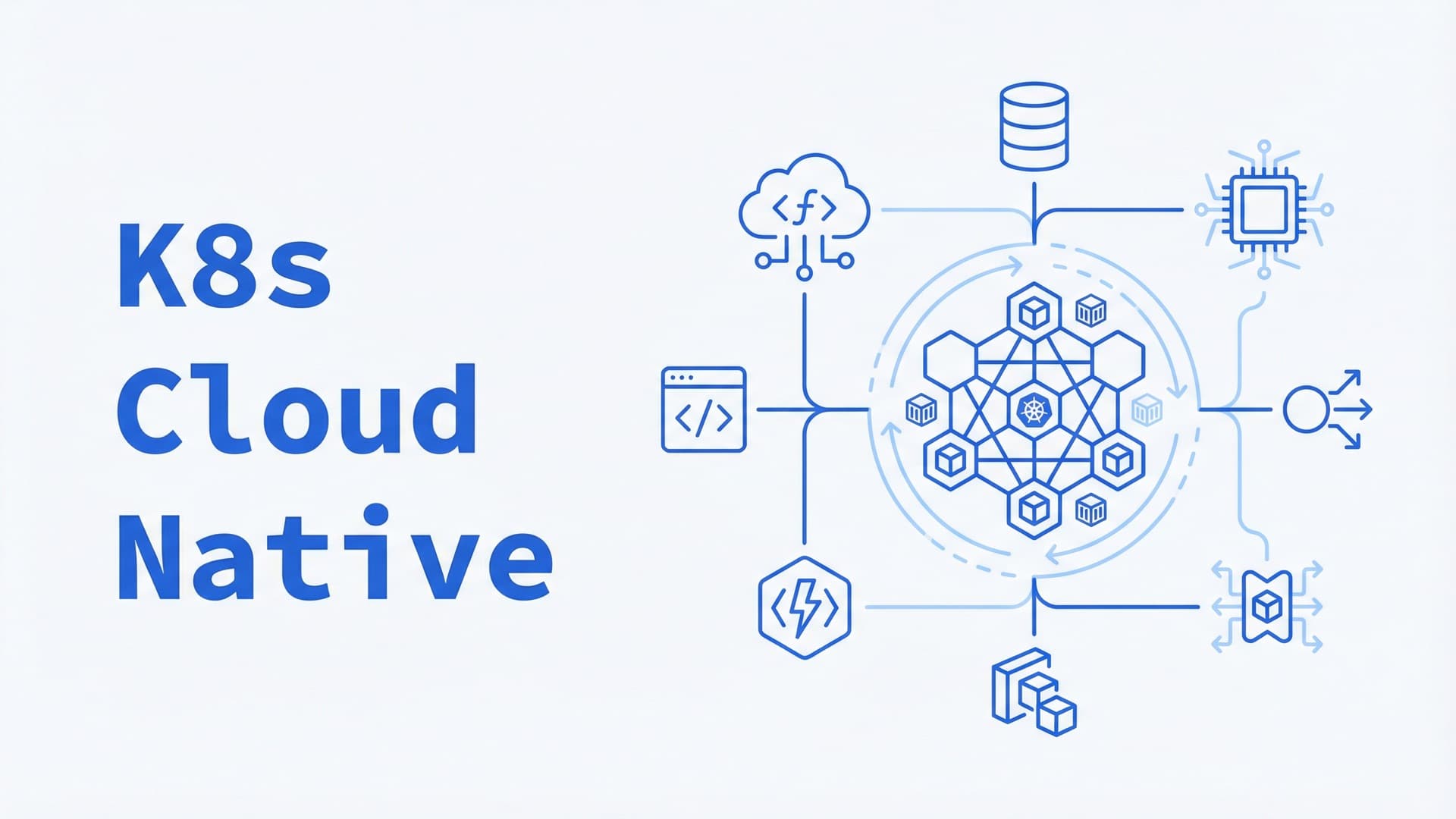
The role of Kubernetes in cloud-native application development
Cloud-native application development is a software development approach that is designed to build and deploy applications in the cloud.
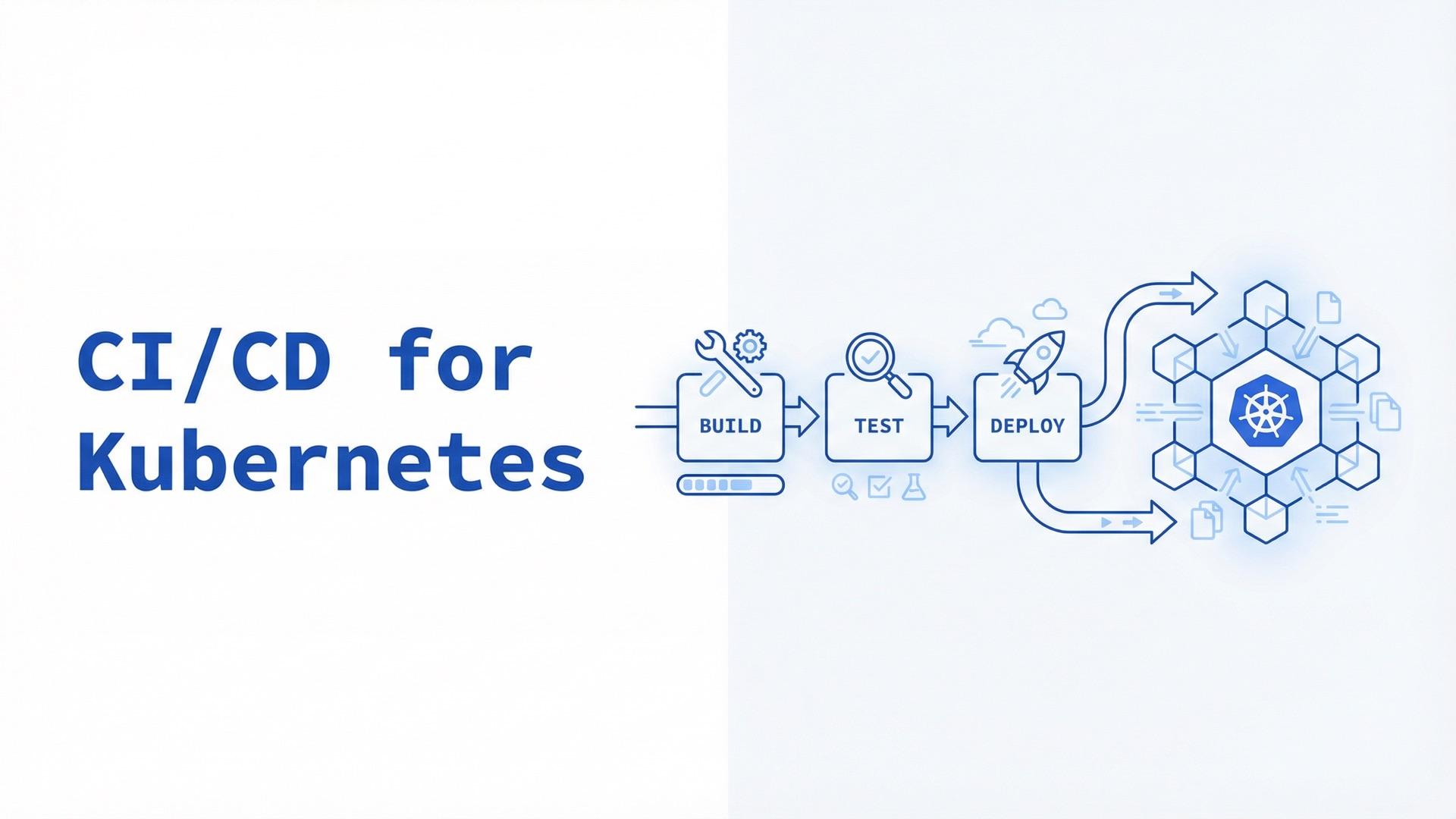
CI/CD for Kubernetes
Continuous Integration (CI) and Continuous Deployment (CD) are essential practices in modern software development that allow teams to integrate changes and...
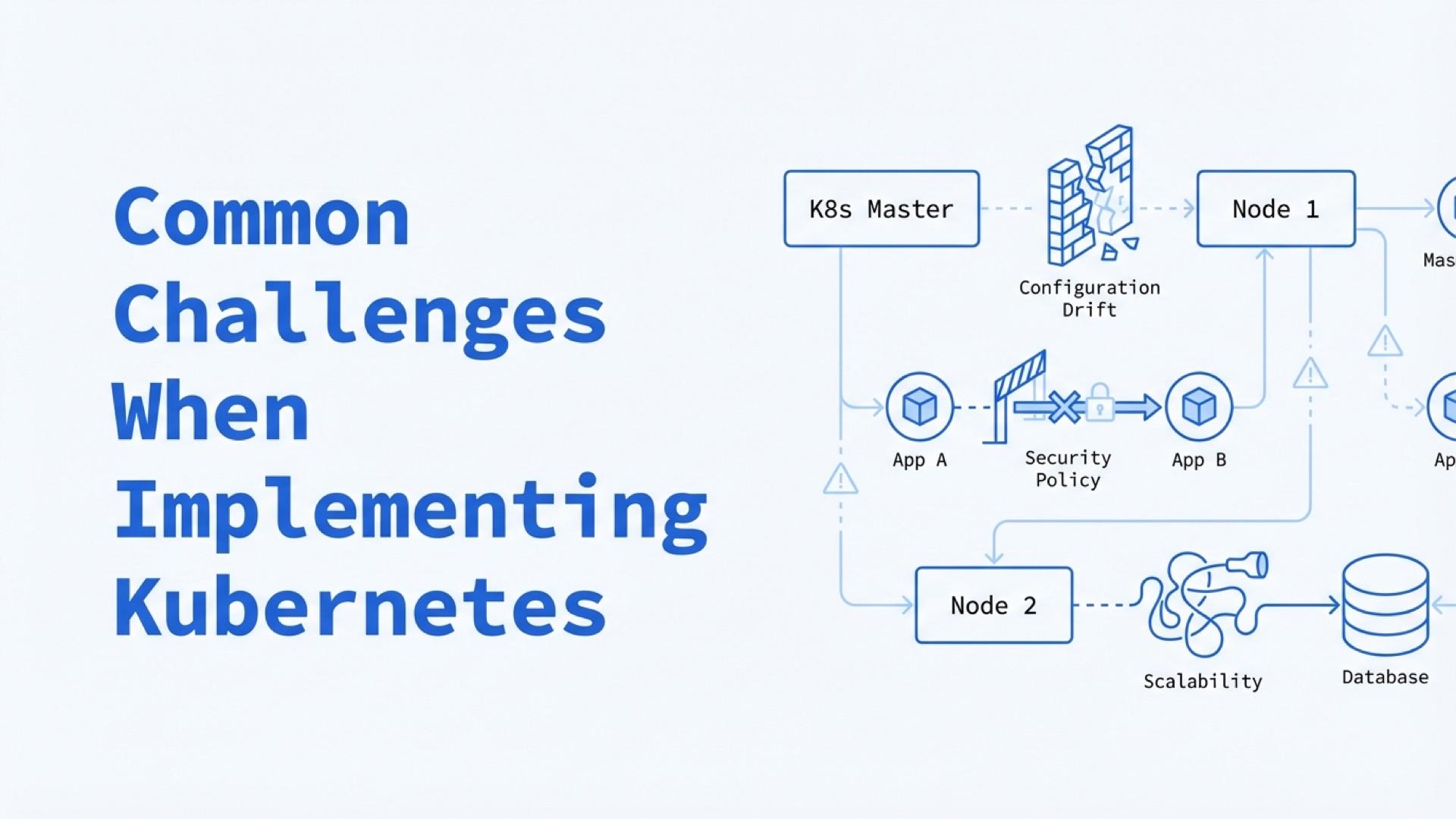
Common Challenges Faced When Implementing Kubernetes and How to Overcome Them
Kubernetes has become the de facto standard in the world of container orchestration, offering immense scalability and automation benefits.
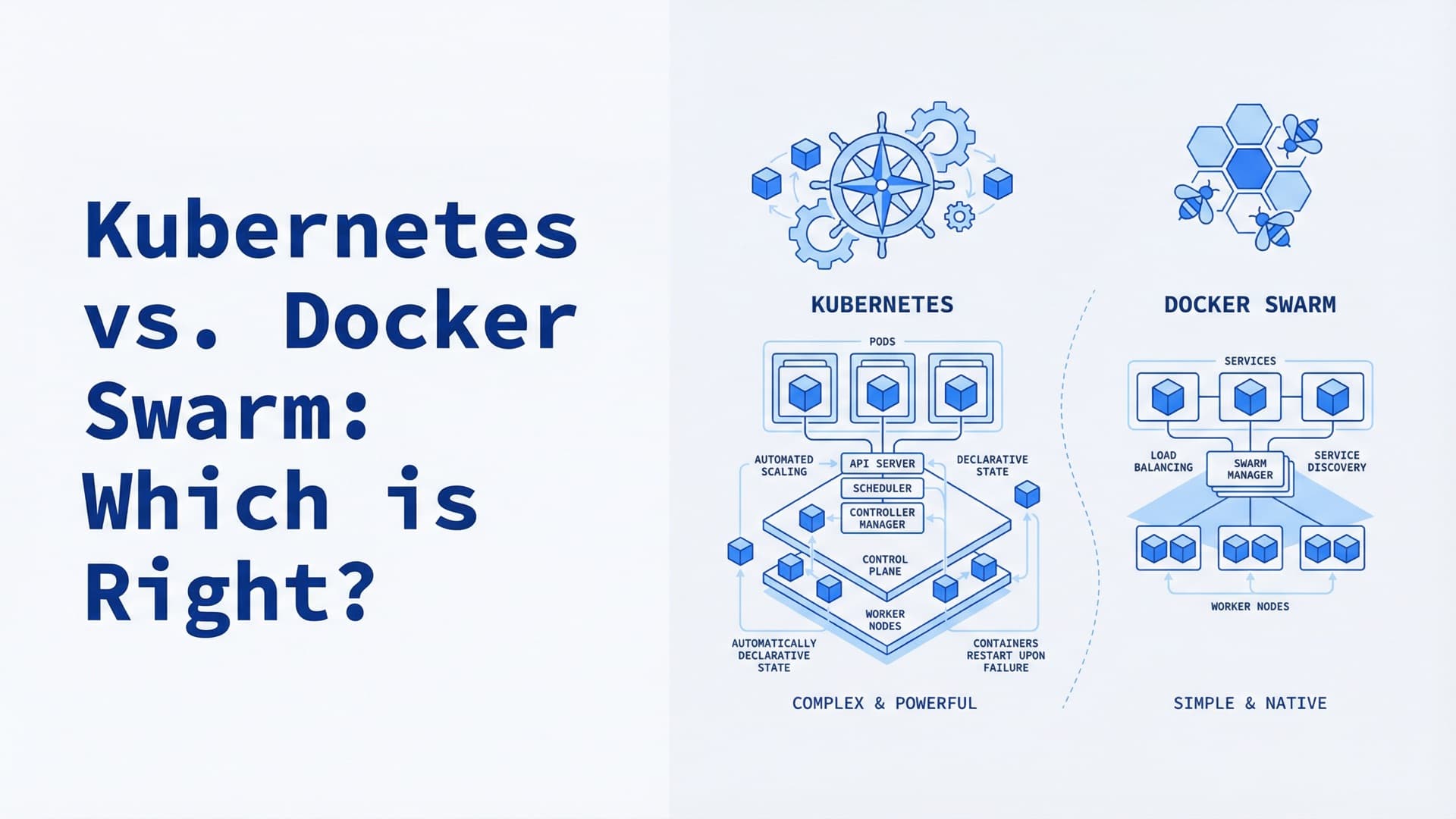
Kubernetes vs. Docker Swarm: Which is Right for Your Organization?
Have you ever heard of containers in the world of technology? In today's fast-paced digital world, the concept of containers has revolutionized how...